


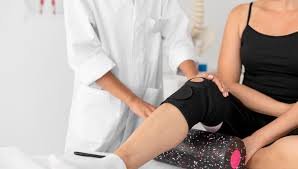
Joint pain often causes aching and stiffness in the knees, hips, and hands. Discomfort can stem from various conditions that develop when the joints are damaged or inflamed, such as arthritis or physical injuries. Joint pain specialists evaluate the underlying cause, and they develop treatment plans to improve mobility and reduce pain. Here are three remedies for joint pain relief:
1. At-Home Care
Many people begin joint pain management at home, and lifestyle changes can improve daily comfort. Rest gives your body time to heal from sudden flare-ups. When you apply ice packs to a swollen knee or a heating pad to a stiff shoulder, you target the affected tissues to relieve discomfort. Ice numbs the sharp aches, and heat promotes blood flow to relax tight muscles.
Over-the-counter medications also provide relief for minor aches. Acetaminophen targets pain signals in your brain, and ibuprofen reduces inflammation around the joint. You might also incorporate low-impact exercises like swimming, water aerobics, or indoor cycling. Moving your body keeps the surrounding muscles strong, helping reduce pressure on the sore joint.
Supportive braces are another practical tool. A knee sleeve restricts awkward movements, providing stability when completing daily tasks. Maintaining a healthy body weight also relieves mechanical stress on your lower extremities; this can help decrease pain during movement and weight-bearing activities.
2. Joint Lubricants
If basic remedies don’t eliminate daily stiffness, doctors may suggest hyaluronic acid injections. Joints naturally produce this gel-like substance to maintain smooth movement, but production decreases as you age or develop osteoarthritis. Medical professionals inject synthetic hyaluronic acid directly into the knee joint capsule to replenish the fluid.
The thick fluid acts as a shock absorber, and added lubrication reduces friction between your bones as they move. Patients typically receive these treatments in a doctor’s office over a period of three to five weeks. Some individuals feel a reduction in stiffness quickly, while others notice gradual changes after the final dose. The procedure involves minimal downtime, letting you return to your normal activities shortly after leaving the clinic.
3. Steroid Injections
Corticosteroids quickly target severe, localized inflammation. A physician targets the specific area with a specialized needle, which places the medicine in the joint space to calm the irritated tissue. The medication helps reduce swelling in the joint, and it can provide noticeable pain relief within a short period. The effects typically last from a few weeks to several months. This pain-free window offers an opportunity to participate in physical therapy; strengthening the muscles builds long-term skeletal support. Regular follow-up appointments help confirm the treatment is effective and allow adjustments if symptoms return or change.
Work With Joint Pain Specialists
Persistent discomfort requires professional evaluation and a personalized treatment plan. A joint pain specialist accurately diagnoses the root cause of your aches using diagnostic imaging and physical exams. They explain the available medical options, and a treatment plan may include medication, physical therapy, or minimally invasive procedures to improve function and reduce pain. Contact a pain clinic today to schedule a comprehensive joint evaluation.







