


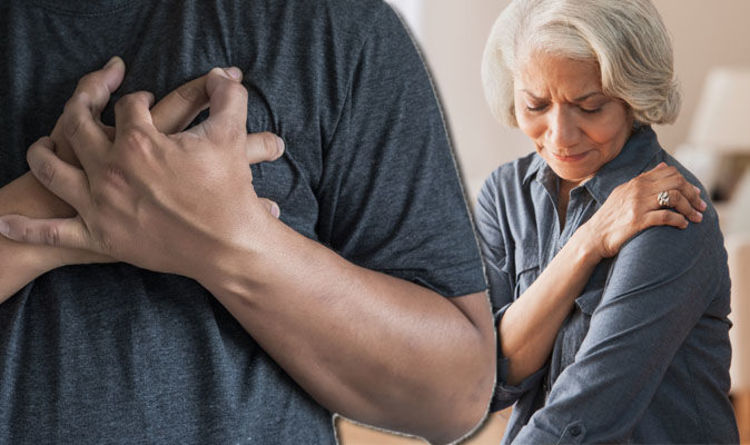
Heart attacks are one of the leading causes of death worldwide, yet many people fail to recognize the warning signs until it’s too late. Knowing the signs of a heart attack can save your life or the life of someone you love. Early recognition and prompt medical attention are critical for survival and recovery. In this article, we’ll explain the most common and subtle signs of a heart attack and what actions to take to protect your health.
Understanding Heart Attacks
A heart attack, medically known as myocardial infarction, occurs when blood flow to a part of the heart is blocked. This blockage prevents oxygen and nutrients from reaching the heart muscle, causing tissue damage. The most common cause is the buildup of plaque in the coronary arteries, which can rupture and form a blood clot.
Heart attacks are serious medical emergencies. While some symptoms are obvious, others can be subtle, particularly in women, older adults, and people with diabetes. That’s why knowing all the signs is essential.
Common Signs of a Heart Attack
Here are the most important signs that you should never ignore:
1. Chest Pain or Discomfort
Description: This is the most recognized symptom of a heart attack. The pain may feel like:
- A tight, heavy, or squeezing sensation in the chest
- Pressure or fullness that comes and goes
- Pain spreading to the shoulders, neck, jaw, or back
Important note: Chest pain doesn’t always mean a heart attack—it can also be caused by anxiety, indigestion, or muscle strain. However, if the discomfort is sudden, severe, or unusual, seek medical attention immediately.
2. Shortness of Breath
Description: Feeling out of breath without physical exertion can be a warning sign. This may occur with or without chest pain and can feel like:
- Difficulty taking deep breaths
- Rapid breathing
- A sensation of suffocating
Important note: Shortness of breath is often overlooked, especially in women, but it is a critical symptom that should not be ignored.
3. Pain in Other Parts of the Body
Description: Heart attack pain is not always confined to the chest. It can radiate to:
- Left arm or both arms
- Jaw or neck
- Upper back or shoulders
- Stomach area
Important note: Pain may come and go, or feel like an ache, numbness, or burning sensation. Women are more likely to experience these atypical symptoms.
4. Cold Sweats and Nausea
Description: Sudden sweating, especially when cold and clammy, can signal a heart attack. Other symptoms may include:
- Nausea or vomiting
- Lightheadedness or dizziness
- Feeling faint
Important note: These symptoms can sometimes be mistaken for the flu, indigestion, or stress. When combined with other warning signs, they indicate a medical emergency.
5. Fatigue and Weakness
Description: Unexplained, extreme fatigue or weakness—especially if sudden—may be a subtle sign of a heart attack. You may feel:
- Weakness in the arms or legs
- Feeling unusually tired after minor activity
- Lack of energy for normal tasks
Important note: Women often report fatigue as a primary symptom, sometimes without the classic chest pain.
6. Anxiety and Feeling of Impending Doom
Description: Some people experience an intense feeling of anxiety, restlessness, or fear without a clear cause. It can accompany other symptoms of a heart attack.
Important note: This symptom is often overlooked but should be taken seriously, particularly if it is sudden and intense.
Who Is at Risk?
While anyone can experience a heart attack, certain factors increase risk:
- Age (men over 45, women over 55)
- Family history of heart disease
- High blood pressure or high cholesterol
- Diabetes
- Smoking
- Obesity
- Sedentary lifestyle
- Chronic stress
Knowing your risk factors can help you be more alert to early warning signs and take preventive action.
When to Call for Help
If you or someone else experiences any combination of the signs mentioned above, call emergency services immediately. Do not wait to see if symptoms improve. Quick medical attention is crucial: the sooner a blocked artery is treated, the better the chances of survival and minimal heart damage.
Natural and Lifestyle Measures to Reduce Risk
While recognizing symptoms is essential, prevention is equally important. You can reduce your risk of heart attacks naturally through:
- Regular Exercise: At least 30 minutes of moderate activity most days improves heart health.
- Healthy Diet: Focus on fruits, vegetables, whole grains, lean proteins, and healthy fats. Reduce salt, sugar, and processed foods.
- Maintain a Healthy Weight: Being overweight increases strain on the heart.
- Manage Stress: Practice mindfulness, yoga, deep breathing, or meditation to reduce stress levels.
- Avoid Smoking and Limit Alcohol: Both smoking and excessive alcohol consumption increase heart disease risk.
5 FAQs About Heart Attack Symptoms
1. Can a heart attack happen without chest pain?
Yes. Especially in women, older adults, and people with diabetes, a heart attack can occur with symptoms like shortness of breath, fatigue, or nausea without chest pain.
2. How long do heart attack symptoms last?
Symptoms can vary. They may last for a few minutes to several hours. Intermittent or mild pain should never be ignored.
3. Are heart attack symptoms the same for men and women?
No. Men often experience classic chest pain, while women are more likely to have atypical symptoms such as fatigue, nausea, jaw pain, or shortness of breath.
4. What should I do if I think I’m having a heart attack?
Call emergency services immediately. Chew an aspirin (if not allergic) while waiting for help. Avoid driving yourself to the hospital.
5. Can lifestyle changes prevent heart attacks?
Yes. Regular exercise, a healthy diet, managing stress, quitting smoking, and controlling blood pressure and cholesterol significantly reduce the risk of heart attacks.
Conclusion
Heart attacks are serious and can be life-threatening. Knowing the signs of a heart attack you should never ignore—including chest pain, shortness of breath, pain in other areas, cold sweats, nausea, fatigue, and anxiety—can save lives.
Recognizing symptoms early and calling for help immediately increases the chances of survival and reduces heart damage. Alongside awareness, maintaining a heart-healthy lifestyle with regular exercise, a balanced diet, stress management, and avoiding harmful habits is key to prevention.
Your heart health matters. Pay attention to your body, listen to warning signs, and act quickly if something feels wrong. It could be the difference between life and death.







