


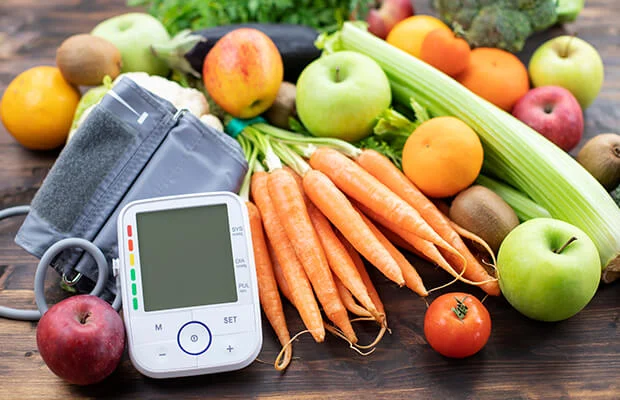
High blood pressure, also called hypertension, is a common health concern that can lead to serious conditions like heart disease, stroke, and kidney problems if left unmanaged. While medication can help, many people can also lower their blood pressure naturally by making simple lifestyle changes.
In this article, we’ll explore effective, natural ways to reduce blood pressure safely, along with practical tips that anyone can incorporate into their daily routine.
Why Controlling Blood Pressure Matters
Blood pressure is the force of blood pushing against the walls of your arteries. When it stays high over time, it strains your heart and blood vessels.
Risks of High Blood Pressure Include:
- Heart attacks or strokes
- Kidney damage
- Vision problems
- Cognitive decline over time
By taking steps to lower blood pressure naturally, you can improve your overall health and reduce the risk of these complications.
1. Eat a Heart-Healthy Diet
Diet plays a major role in blood pressure control. A balanced diet can help reduce sodium intake, improve cholesterol levels, and support overall heart health.
Tips for a Healthy Diet:
- Increase fruits and vegetables rich in potassium, magnesium, and fiber
- Eat whole grains, lean proteins, and healthy fats
- Limit processed foods, salty snacks, and sugary drinks
- Follow the DASH diet (Dietary Approaches to Stop Hypertension), which emphasizes fruits, vegetables, whole grains, and low-fat dairy
Tip: Keep a food diary to monitor your sodium intake and identify foods that may raise blood pressure.
2. Reduce Salt Intake
Excess sodium can cause your body to retain water, increasing blood pressure. Most people consume much more salt than needed.
Salt Reduction Tips:
- Avoid adding extra salt to meals
- Read labels to check sodium content in packaged foods
- Use herbs and spices for flavor instead of salt
- Limit processed and fast foods, which are often high in sodium
Tip: Aim for less than 2,300 mg of sodium per day, or around 1,500 mg if you have hypertension.
3. Maintain a Healthy Weight
Being overweight or obese increases the strain on your heart and arteries, raising blood pressure. Even a small weight loss can make a significant difference.
Tips for Weight Management:
- Follow a balanced diet with controlled portions
- Incorporate regular physical activity
- Avoid crash diets or extreme weight loss methods
Tip: Losing even 5-10 pounds can help lower your blood pressure and improve heart health.
4. Exercise Regularly
Physical activity strengthens the heart, improves blood flow, and helps lower blood pressure naturally.
Recommended Exercises:
- Brisk walking or jogging
- Cycling or swimming
- Strength training 2-3 times per week
- Yoga or stretching exercises for relaxation
Tip: Aim for at least 30 minutes of moderate exercise most days of the week. Start slowly if you are new to exercise.
5. Manage Stress
Chronic stress can contribute to high blood pressure and heart problems. Learning to manage stress is crucial for overall well-being.
Stress-Reduction Techniques:
- Deep breathing exercises
- Meditation or mindfulness practice
- Spending time outdoors or in nature
- Listening to music or engaging in hobbies
Tip: Even 10-15 minutes of relaxation daily can help reduce stress levels and lower blood pressure.
6. Limit Alcohol and Avoid Smoking
Both alcohol and tobacco can increase blood pressure and damage your arteries.
Tips:
- Limit alcohol intake to moderate levels: up to one drink per day for women and two drinks for men
- Quit smoking to improve heart and vascular health
- Seek support programs if needed to reduce alcohol or tobacco use
Tip: Even small reductions in alcohol and quitting smoking can significantly improve your cardiovascular health.
7. Increase Potassium Intake
Potassium helps balance sodium levels and relax blood vessels, which lowers blood pressure.
Potassium-Rich Foods:
- Bananas, oranges, and avocados
- Spinach, sweet potatoes, and tomatoes
- Beans, lentils, and nuts
Tip: Talk to your doctor before taking potassium supplements, especially if you have kidney problems.
8. Limit Caffeine
Caffeine can temporarily raise blood pressure in some people. While moderate caffeine consumption is generally safe, reducing intake may help those with hypertension.
Tips:
- Choose decaffeinated coffee or tea
- Limit energy drinks and sodas with caffeine
- Monitor your blood pressure after caffeine consumption to see if it affects you
Tip: Not everyone is sensitive to caffeine, so pay attention to how your body reacts.
9. Monitor Blood Pressure Regularly
Regular monitoring helps you understand how lifestyle changes affect your blood pressure and alerts you to any dangerous spikes.
Tips for Monitoring:
- Measure your blood pressure at the same time each day
- Keep a record to discuss with your doctor
- Use a home blood pressure monitor for accuracy
Tip: Home monitoring gives you a clear picture of your blood pressure trends over time.
10. Get Adequate Sleep
Poor sleep quality or sleep deprivation can raise blood pressure and increase stress on the heart.
Sleep Tips:
- Aim for 7-9 hours of quality sleep per night
- Maintain a regular sleep schedule
- Avoid screens and heavy meals before bedtime
- Keep your bedroom dark, quiet, and cool
Tip: Sleep is a natural way to regulate blood pressure and support heart health.
5 FAQs About Lowering Blood Pressure Naturally
1. Can blood pressure be lowered without medication?
Yes. Many people can reduce or manage their blood pressure with lifestyle changes, including diet, exercise, and stress management.
2. How long does it take to see results?
Some changes, like reducing salt intake or exercising regularly, can show improvements in a few weeks. Consistency is key for long-term results.
3. Are natural remedies safe for everyone?
Most natural methods are safe, but consult your doctor if you have other health conditions, take medications, or are pregnant.
4. Can losing weight really lower blood pressure?
Yes. Even a modest weight loss of 5-10 pounds can significantly reduce blood pressure and improve overall cardiovascular health.
5. How often should I check my blood pressure?
If you have hypertension, check it daily or as advised by your doctor. For general health, monitoring once a week can help track trends.
Final Thoughts
Lowering blood pressure naturally is achievable through healthy habits, consistent monitoring, and stress management. A combination of a balanced diet, regular exercise, adequate sleep, reduced sodium intake, and mindfulness can make a significant difference in your heart health.
By incorporating these simple yet effective strategies into your daily routine, you can support your blood pressure, improve overall wellness, and reduce the risk of serious health complications.
Taking small steps consistently is more effective than drastic changes. Start today, and your heart—and entire body—will thank you.







