


Maintaining healthy gums is essential for overall oral health. While brushing your teeth is important, it is not enough to remove all the plaque and food particles that accumulate between teeth. Flossing is a crucial step in preventing gum disease, cavities, and bad breath. However, many people either skip flossing or use it incorrectly, which can reduce its effectiveness. In this article, we will explore the best flossing techniques for healthy gums, explain why proper flossing matters, and provide practical tips to make it a daily habit.
Why Flossing Is Important
Flossing plays a vital role in oral hygiene because it reaches areas that toothbrushes cannot. These areas include:
- Spaces between teeth where food particles get trapped
- Along the gumline where plaque tends to accumulate
- Hard-to-reach back teeth
Regular flossing helps:
- Prevent gum disease (gingivitis and periodontitis)
- Reduce bad breath
- Decrease the risk of cavities between teeth
- Maintain overall oral health and prevent tooth loss
Skipping flossing allows plaque to build up, which can harden into tartar and cause inflammation, bleeding, and gum disease.
Types of Dental Floss
Before discussing techniques, it’s helpful to know the types of floss available:
- Waxed Floss: Glides easily between tight teeth; less likely to shred.
- Unwaxed Floss: Thinner and may remove more plaque but can shred more easily.
- Dental Tape: Wider and flatter than traditional floss, ideal for larger gaps.
- Floss Picks: Small plastic tools with floss attached; convenient for quick use.
- Water Flossers: Use a stream of water to remove debris and bacteria; effective for sensitive gums or braces.
Choosing the right floss depends on your comfort and dental needs, but proper technique matters more than the type of floss.
Best Flossing Techniques for Healthy Gums
Here are step-by-step techniques to ensure effective flossing:
1. Traditional Flossing
Step-by-step guide:
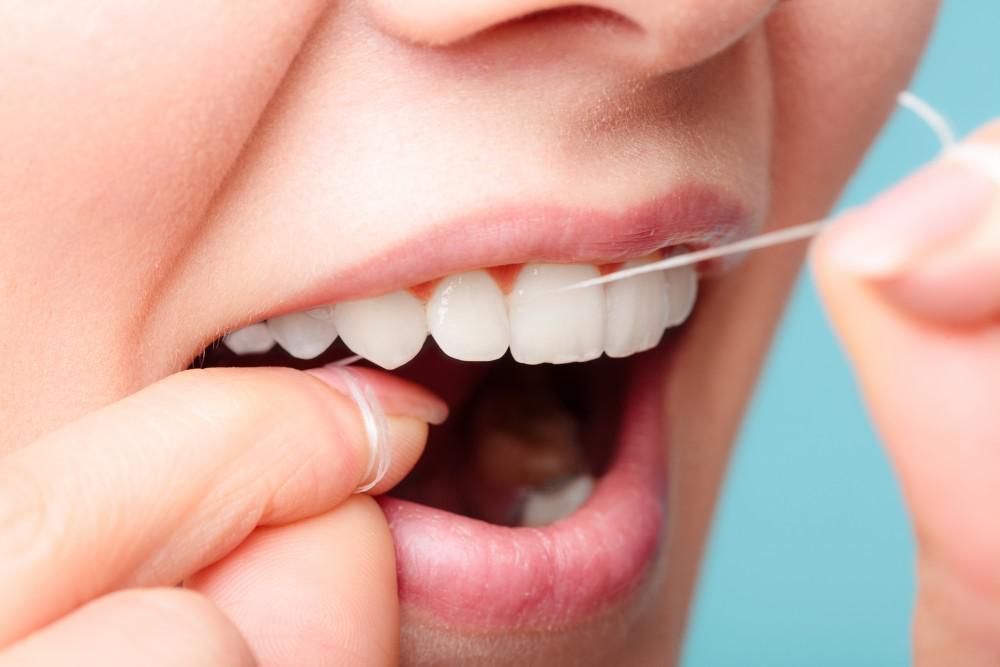
- Take about 18 inches of floss and wind most of it around your middle fingers, leaving 2–3 inches to work with.
- Hold the floss tightly between your thumbs and index fingers.
- Gently slide the floss between your teeth using a sawing motion.
- Curve the floss around each tooth in a “C” shape, sliding it under the gumline.
- Move the floss up and down several times to remove plaque.
- Repeat for all teeth, using a clean section of floss for each gap.
Tips:
- Avoid snapping the floss, which can damage gums.
- Focus on both sides of each tooth.
2. Flossing with a Floss Pick
Step-by-step guide:
- Hold the floss pick between your thumb and forefinger.
- Slide the floss gently between teeth.
- Curve the floss around the tooth and move up and down along the gumline.
- Use the pointed end to remove debris between tight teeth.
Tips:
- Floss picks are convenient but may not clean as thoroughly as traditional floss.
- Use them as a supplement for travel or quick use.
3. Water Flossing
Step-by-step guide:
- Fill a water flosser with lukewarm water.
- Aim the tip at the gumline at a 90-degree angle.
- Turn it on at low pressure first, then gradually increase.
- Move along the gumline, pausing briefly between teeth.
Tips:
- Water flossers are excellent for people with braces, implants, or sensitive gums.
- Combine with traditional flossing for maximum plaque removal.
4. Interdental Brushes
Step-by-step guide:
- Select a brush size that fits comfortably between your teeth.
- Gently insert the brush between teeth.
- Move back and forth to remove plaque and food particles.
- Rinse the brush after each use.
Tips:
- Ideal for people with larger gaps between teeth or braces.
- Avoid forcing the brush into very tight spaces to prevent gum injury.
Tips for Effective Flossing
- Floss Daily: Make flossing part of your routine to prevent plaque buildup.
- Be Gentle: Aggressive flossing can damage gums and cause bleeding.
- Use the Right Amount: About 18 inches of floss allows you to use a clean section for each tooth.
- Focus on the Gumline: Most plaque forms along the gumline, so ensure proper cleaning here.
- Combine Techniques: Use traditional floss, water flossers, or interdental brushes as needed for best results.
Common Flossing Mistakes to Avoid
- Skipping back teeth: These areas often accumulate the most plaque.
- Using the same floss section repeatedly: Leads to spreading bacteria.
- Flossing too hard: Can cause gum damage and recession.
- Not flossing under the gumline: Plaque here can cause gum disease.
Correcting these mistakes ensures your flossing is effective and safe.
5 FAQs About Flossing for Healthy Gums
1. How often should I floss?
Flossing once a day is recommended, ideally before bedtime to remove food particles and plaque accumulated throughout the day.
2. Can flossing cause bleeding?
Mild bleeding is normal if your gums are inflamed, especially when starting a new routine. If bleeding persists, consult your dentist.
3. Is flossing better than using a water flosser?
Traditional floss is effective for plaque removal. Water flossers are excellent for sensitive gums, braces, or implants. Combining both provides optimal results.
4. Can flossing prevent gum disease?
Yes. Consistent flossing removes plaque between teeth, reducing inflammation, gum recession, and the risk of gingivitis or periodontitis.
5. Can children floss too?
Yes. Children should start flossing as soon as two teeth touch. Supervision is recommended to ensure proper technique.
Conclusion
Healthy gums are the foundation of a beautiful smile and strong teeth. Proper flossing, combined with brushing and regular dental check-ups, is key to preventing gum disease, cavities, and bad breath. Whether you use traditional floss, floss picks, water flossers, or interdental brushes, the best flossing techniques involve gentle, thorough cleaning along the gumline and between teeth.
By making flossing a daily habit, being gentle yet consistent, and choosing the right tools for your teeth, you can enjoy healthy gums, fresher breath, and a confident smile for years to come.







