


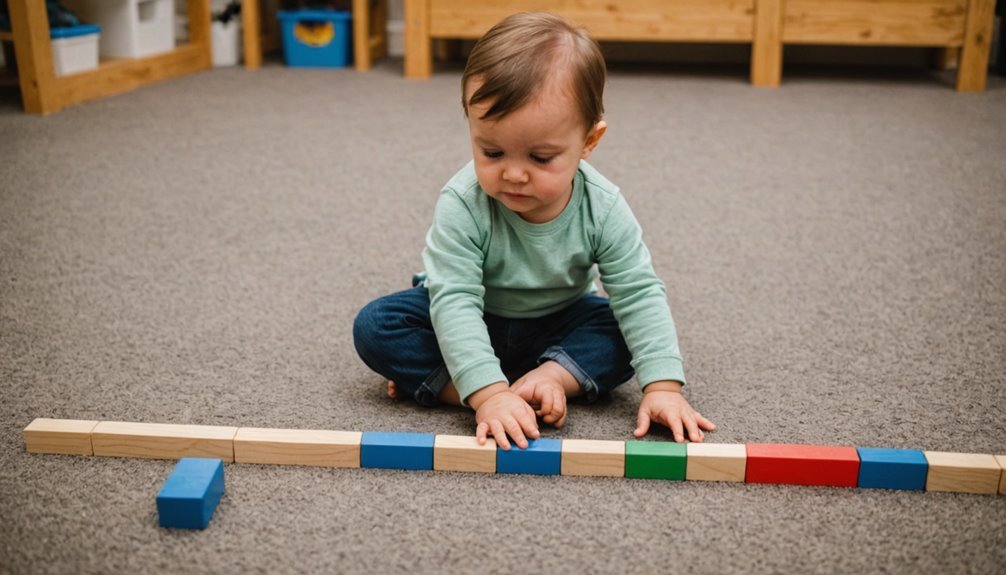
Autism alters typical childhood development. Medical professionals identify specific behavioral traits, and parents observe these early indicators. Because early signs vary widely among individuals, parents track unusual actions, and they share this data with specialists. A young person displays specific patterns over time. Caregivers document these patterns, and specialists evaluate the data. When families notice delayed milestones, they schedule medical evaluations, and doctors conduct comprehensive behavioral assessments. Diagnostic criteria require noticeable differences in early childhood. Doctors evaluate social interactions, and they review restricted interests. Unless caregivers provide accurate behavioral histories, doctors lack context, and diagnostic processes take longer.
Recognizing Communication Differences in Autism
A child with autism interacts differently with peers. Some children avoid eye contact entirely, or they look away during conversations. When caregivers call a child by name, the child looks away, and the caregiver repeats the name multiple times. Some children develop speech later than expected. They repeat heard phrases, or they speak using an atypical tone. Because nonverbal communication presents challenges, children struggle with facial expressions, and they rely on alternative communication methods. A person points at objects rarely. A child prefers solitary play, and peers play in groups nearby. If someone initiates an interaction, the child walks away, and the interaction ends abruptly. Social reciprocity remains a defining metric in diagnosis.
Observing Repetitive Behaviors in Autism
Autistic individuals repeat specific physical movements. A child flaps their hands repeatedly, or the individual rocks back and forth. While some children line up toys, others focus on specific toy parts, and they spin these parts continuously. Routines dictate daily schedules. Changes in routine cause distress, and caregivers must plan transitions carefully. Because predictability provides comfort, a child demands specific routines, and sudden changes trigger visible frustration. Some individuals develop intense interests in specific topics. They talk about one subject exclusively, and listeners struggle to change the topic. If an environment becomes unpredictable, a person exhibits repetitive movements, and these actions help regulate their physical state.
Identifying Sensory Reactions in Autism
Sensory input affects autistic children uniquely. Bright lights cause visible discomfort, or loud noises prompt physical reactions. When a loud sound occurs, a child covers their ears, and they attempt to leave the room. Some children seek specific sensory experiences. They touch rough textures repeatedly, or they seek deep physical pressure. Because sensory processing varies, one child avoids certain clothing tags, and another child chews on non-food objects. Taste preferences limit dietary choices. A child eats only soft foods, or they refuse foods with specific colors. If a room smells unfamiliar, a person reacts strongly, and they refuse entry into the space. Environmental modifications support individuals effectively.
Talk to a Specialist
Medical evaluations provide clarity regarding behavioral traits. Specialists review documented observations, and they compare these notes against diagnostic criteria. Because accurate diagnosis requires time, families gather observational data systematically, and professionals use this information during assessments. Early identification helps families understand unique needs. Caregivers seek appropriate medical guidance, and professionals offer structured support options. When a child exhibits specific developmental differences, parents consult trained specialists, and these professionals determine the appropriate diagnostic steps. Consistent observation reveals distinct patterns over time. Families collaborate with medical providers, and this collaboration facilitates accurate evaluations. Understanding specific developmental markers guides future actions.







