


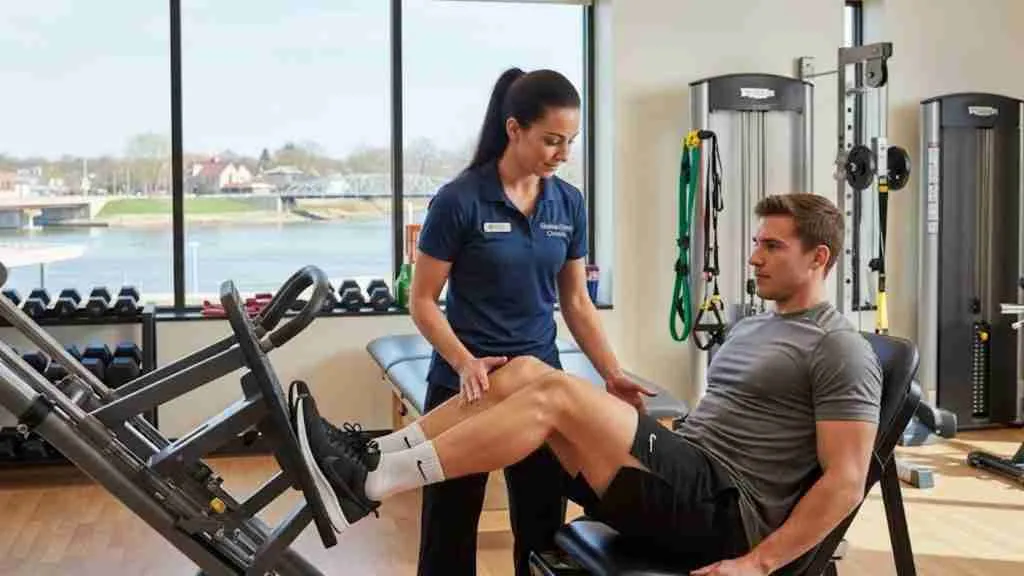
Maintaining an active routine often comes with physical demands on the musculoskeletal system. Participating in athletics or simply enjoying daily exercise can place stress on bones, muscles, and joints. This physical activity sometimes leads to unexpected injuries or nagging pain that interrupts daily routines. Sports medicine exists as a specialized branch of orthopedics dedicated to addressing these exact musculoskeletal issues. By focusing on both treatment and prevention, orthopedic specialists help patients manage their physical health effectively.
What Does Sports Medicine Treat?
Orthopedic professionals address a wide range of conditions that affect the body’s mechanics and structural integrity. Patients may present with acute trauma, resulting from sudden impacts or awkward movements during physical exertion. Such incidents can cause sprains, muscle strains, fractures, and severe joint injuries. Prompt medical attention helps prevent these acute conditions from deteriorating or causing compensatory injuries elsewhere in the body.
Beyond acute trauma, physicians also manage chronic conditions resulting from repetitive motions over extended periods. Overuse injuries like rotator cuff tears and tendinitis fall under this category, often developing gradually due to repeated stress on specific tendons and joints. Medical professionals also evaluate long-term wear and tear, such as osteoarthritis, alongside sudden, severe occurrences like an Achilles tendon rupture. Seeking prompt sports medicine care upon noticing symptoms. They can help facilitate a smoother recovery and prevent further joint or tissue damage.
What Services Fall Under It?
Physicians utilize various interventions tailored to the specific nature of a patient’s injury and overall health goals. The primary approach typically involves conservative, non-invasive therapies that are designed to support the body’s natural healing capabilities. A provider might suggest activity modification, targeted rest, ice application, or physical therapy to rehabilitate the affected area. In some cases, providers utilize regenerative medicine techniques, such as platelet-rich plasma treatments, to promote natural healing processes. When conservative methods fail to yield desired results, a surgeon might present surgical options, which range from minimally invasive arthroscopic procedures to total joint replacement.
Who Does It Benefit?
While the name implies a focus solely on professional or competitive athletes, this medical specialty serves a much broader demographic. Anyone experiencing an activity-related injury can receive care from an orthopedic provider. Casual runners and individuals who work physically demanding jobs all face similar musculoskeletal risks and require similar medical attention.
Patients seeking to improve their overall physical fitness and prevent future injuries also gain value from these specialized services. During a consultation, a physician will thoroughly review medical records, discuss current symptoms, and perform a detailed physical examination to develop personalized recommendations. Specialists can educate patients on proper exercise techniques, appropriate safety equipment usage, and effective warm-up routines. These proactive steps may reduce the likelihood of sustaining physical harm.
Consult an Orthopedic Specialist
Experiencing musculoskeletal pain or an acute injury should prompt a visit to a qualified medical professional. Delaying evaluation can lead to worsening symptoms and result in prolonged recovery periods, making early intervention highly recommended. Reaching out for professional medical guidance allows you to fully understand your specific condition and explore all available therapeutic options.







