


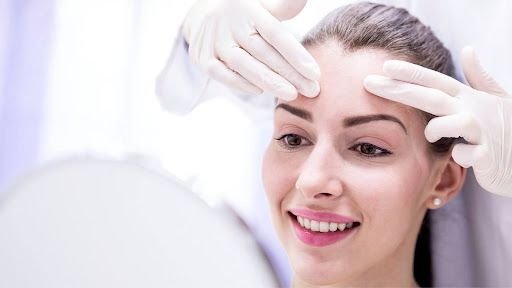
Botox is a purified protein derived from botulinum toxin. In a dermatology setting, providers use this substance to temporarily alter nerve signals in targeted muscles. This procedure offers various benefits for patients, and it remains a common choice for individuals seeking changes to their physical appearance. By temporarily relaxing specific areas, providers can address different physical concerns. Understanding what this treatment involves can help you make informed decisions about your care before you schedule a consultation.
Comprehensive Understanding of Botox Applications
Botox works by blocking the chemical signals that cause muscles to contract. When a provider administers the injection, the targeted muscle relaxes. This relaxation creates the effects that patients typically seek during a dermatology visit. Providers administer the product with a fine needle, and they carefully target specific areas of the face or body during a standard outpatient appointment. The procedure usually takes only a few minutes to complete in the office.
The effects of the injection are temporary, and they require ongoing maintenance to sustain the results. Most patients notice changes within a few days, with the full effects appearing after about two weeks. The results generally last for three to four months. Over time, the muscle action gradually returns to its previous state, and the treated areas revert to their original appearance.
Cosmetic Benefits of Botox Treatments
Providers primarily use Botox for cosmetic purposes to address visible signs of aging. Repeated muscle contractions from everyday facial expressions cause lines to form over time; by relaxing specific facial muscles, Botox reduces the appearance of these dynamic wrinkles. The treatment focuses on lines caused by movement rather than lines caused by sun damage or gravity.
Common cosmetic treatment areas include:
- Horizontal lines across the forehead
- Creases between the eyebrows, often called frown lines
- Lines around the corners of the eyes
Fine lines often appear around the eyes, but providers can target these specific areas during your visit. The goal of cosmetic administration is to create a smoother skin texture while maintaining your ability to make natural facial expressions. Your provider will evaluate your facial anatomy to determine the precise placement and dosage needed.
Medical Applications of Botox
While recognized mainly for its cosmetic applications, Botox also serves several functional medical purposes. Providers use these injections to manage various conditions that can affect your daily life and overall comfort. In a medical setting, Botox may be used to help address chronic migraines, excessive underarm sweating, and certain types of muscle spasticity, and these treatments are often tailored to each patient’s specific needs.
Chronic migraines can disrupt your daily routine, so a specialist sometimes suggest Botox to manage this condition. For migraine management, providers administer multiple injections into specific areas of the head and neck. These treatments typically occur every twelve weeks to maintain consistent management of the condition.
Another common medical application is the treatment of excessive sweating, known as hyperhidrosis. When injected into areas like the underarms, Botox blocks nerve signals that activate your sweat glands. Providers also use Botox to address muscle spasms. By relaxing the affected muscles, the injections can reduce involuntary contractions, and they are able to improve physical comfort in the affected areas.
Ask About Botox Treatments Today
Every patient has unique goals, and a qualified professional can help determine if Botox aligns with your expectations. Preparation and understanding are key components of a successful dermatology visit. If you are exploring your options, schedule a consultation with a certified provider. Ask your provider any questions about the procedure, the expected recovery process, or the maintenance required. Discussing your specific situation helps you get the support and guidance you need to make an informed decision.







