


Well child exams consistently track both physical and developmental milestones from early infancy all the way through late adolescence. Medical doctors examine young patients during recurring visits, and they review family medical histories to identify any genetic risks. Because children grow at a rapid pace during their first decade, these regular clinical assessments give pediatricians baseline data for accurate future health comparisons. The collected medical data can guides subsequent clinical decisions.
Preventative Care
During a well child exam, pediatric clinics organize mandatory childhood immunizations according to federal guidelines, and these preventative shots build robust community immunity against contagious diseases. Standard childhood vaccines are administered by registered nurses at specific ages. Because illness can spread quickly in crowded areas, like elementary schools, widespread immunization protects vulnerable populations from disease outbreaks. When local populations reach high vaccination rates, community disease transmission decreases dramatically.
While medical clinicians administer the scheduled booster shots, they also discuss nutrition and health plans with the attending family members. Healthcare providers can explain the mechanics of proper sleep and safe physical exercise routines for developing young athletes. This approach helps families to be equipped with the knowledge to maintain a healthy lifestyle beyond the clinical setting. By addressing both preventive care and daily wellness habits, healthcare providers help foster long-term health and resilience in their communities.
Early Detection
Board-certified pediatricians screen for subtle growth delays, and evaluate basic motor reflexes to spot potential neurological issues early in life. When healthcare practitioners measure specific metrics like infant head circumference, they compare the resultings to national standard percentile charts. Many underlying conditions are successfully identified by doctors during these standard routine clinical checks.
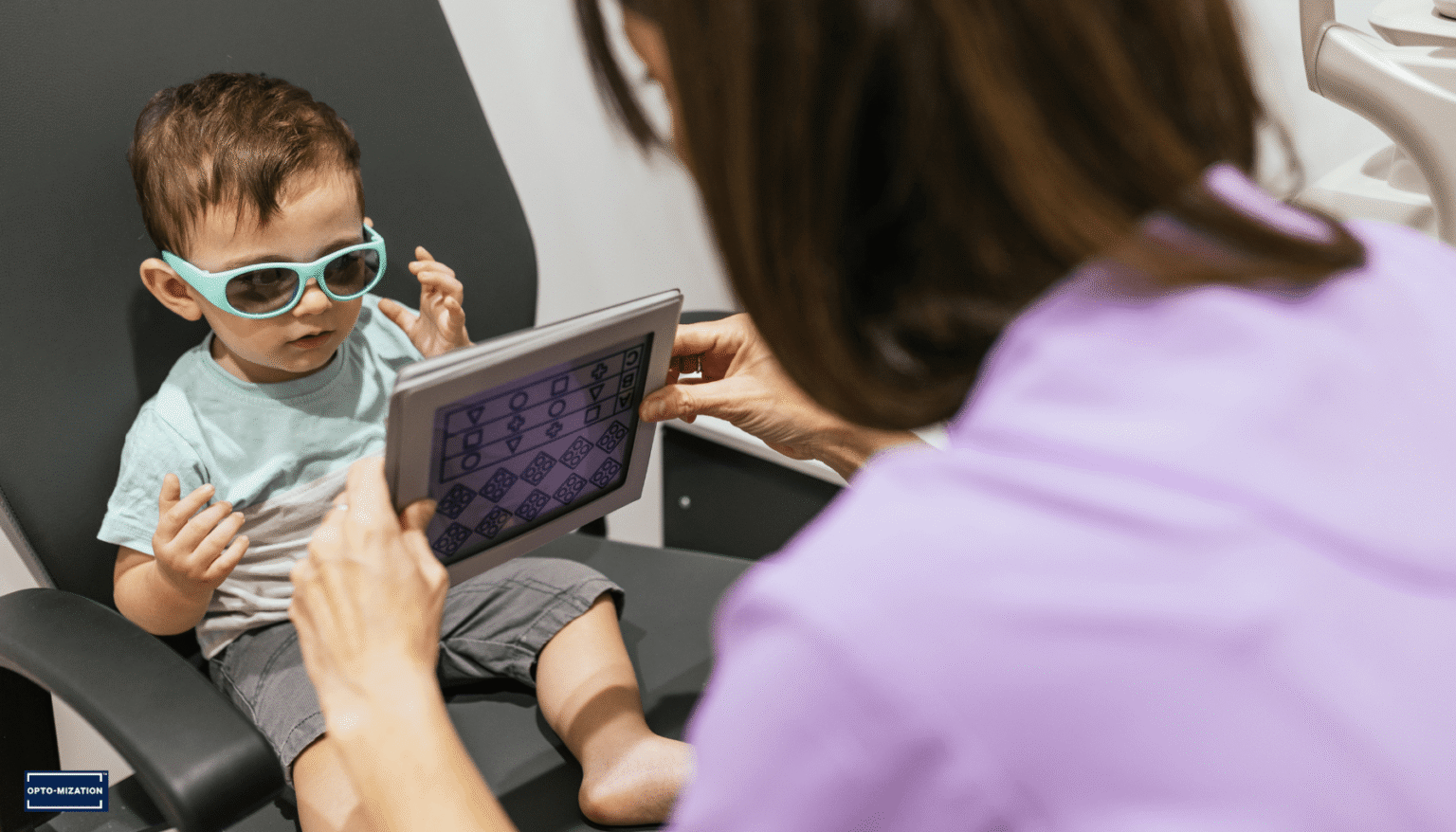
If a child exhibits speech delays, the primary physician may refer the family to a qualified pediatric speech-language pathologist. Routine diagnostic blood tests can show any nutritional deficiencies, like low iron levels or high lead concentrations. Vision screenings often detect early onset nearsightedness, and standardized hearing tests are able to catch minor auditory deficits before they negatively impact learning. Medical professionals document their findings, and modern clinics keep records for their patients.
Attending physicians are also able to assess emotional and behavioral developmental patterns during a well child exam. Although primary caregivers usually observe daily habits, trained medical professionals can spot subtle clinical signs of neurodevelopmental conditions like autism spectrum disorder. The clinical environment provides a standardized observational testing environment, and assessment tools yield diagnostic results to be kept in an official medical record.
Future Health
Consistent preventative medical care establishes foundational habits for lifelong physical wellness and long-term disease prevention. During well child visits, growing kids learn about the importance of balanced diets and regular exercise. These habits can be implemented during their teenage years and into adulthood. When children understand the value of proper basic personal hygiene and nutrition, they can maintain good physical health into their adult lives. A proactively developed healthy lifestyle often prevents chronic diseases.
Schedule a Well Child Exam
Many offices offer flexible times for families to schedule a well child exam. Some schools require exams for incoming students, so booking a visit to a clinic can be helpful to prepare for a new school year. Call a pediatric clinic to schedule a visit for your child today.







