


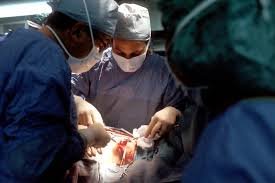
Leg pain may sometimes be linked to vascular conditions that affect blood flow in the arteries or veins. Vascular surgeons diagnose and treat these issues using surgical and minimally invasive procedures to improve circulation, relieve symptoms, and reduce the risk of complications. Here is an insight into some of the surgical procedures performed by vascular surgeons:
Accurate Leg Pain Diagnosis
The standard diagnostic process for leg pain begins with a thorough medical evaluation in the clinic. Physicians review the patient’s complete medical history, and they examine the affected limbs very carefully. As surgeons conduct this initial physical exam, they check for obvious signs of poor circulation. They look for skin discoloration, localized swelling, and unusual temperature changes in the legs.
If doctors suspect a serious internal issue, they order a detailed vascular ultrasound for the patient. The advanced ultrasound identifies hidden blockages, and it measures the exact speed of the patient’s blood flow. Accurate medical diagnoses help doctors develop effective treatment plans and prevent dangerous future complications. Once the medical team confirms a specific vascular disease, they discuss the available surgical options with the patient.
Targeted PAD Procedures
Peripheral artery disease (PAD) causes dangerous narrowing in the peripheral blood vessels, which may cause leg pain. To address this condition, doctors use several treatment options based on the severity of the disease. Here are some of the procedures for PAD:
- Angioplasty: A standard treatment where a balloon is inserted and inflated to widen the narrowed artery. This minimally invasive procedure quickly restores proper blood flow to the lower legs.
- Atherectomy: Used when angioplasty is insufficient, this procedure involves removing hardened plaque from the affected artery. A vascular surgeon operates with a specialized cutting tool to clear the blockage, significantly improving blood flow immediately.
- Bypass Surgery: Reserved for severe cases, this invasive procedure creates a new pathway for blood flow around the obstructed artery. Surgeons use a synthetic tube or a harvested vein to route blood safely, preventing permanent tissue damage in the affected lower limb.
These treatments provide targeted solutions to the complications associated with PAD, and the medical team monitors the patient closely.
Safe DVT Interventions
DVT (deep vein thrombosis) involves a dangerous blood clot forming in a deep leg vein. If the unstable clot travels directly to the lungs, it creates a life-threatening pulmonary embolism. Medical teams take this vascular condition very seriously, and they monitor the patient’s blood flow continuously. Prompt treatment prevents the clot from breaking loose and moving through the bloodstream.
Whenever standard blood-thinning medications fail to dissolve the dangerous clot, surgeons perform a mechanical thrombectomy. This direct surgical procedure removes the clot physically, or the surgeon delivers potent clot-busting drugs directly to the site. Some vulnerable patients cannot take standard blood-thinning medications safely due to high bleeding risks. Surgeons place a small vena cava filter inside these individuals, and this specialized device catches loose clots automatically.
Effective Varicose Vein Procedures
Varicose veins are swollen, twisted superficial blood vessels visible under the skin. They cause significant leg pain, and they often indicate underlying chronic venous insufficiency. Vascular surgeons use standard sclerotherapy to treat these damaged superficial veins effectively. Endovenous laser therapy is another helpful medical option for affected patients. The vascular surgeon inserts a tiny laser fiber into the damaged vein, and the targeted thermal heat seals the damaged vessel shut entirely. Microphlebectomy also physically removes the damaged veins through tiny skin punctures during a single visit.
Schedule Your Leg Pain Appointment
Highly trained vascular surgeons perform a range of medical procedures. They treat serious internal conditions like deep vein thrombosis, and they successfully manage chronic peripheral artery disease. For persistent leg pain during the day, a professional medical evaluation can identify the root cause. Contact a trusted vascular surgeon in your area to schedule your appointment for leg pain today.







