


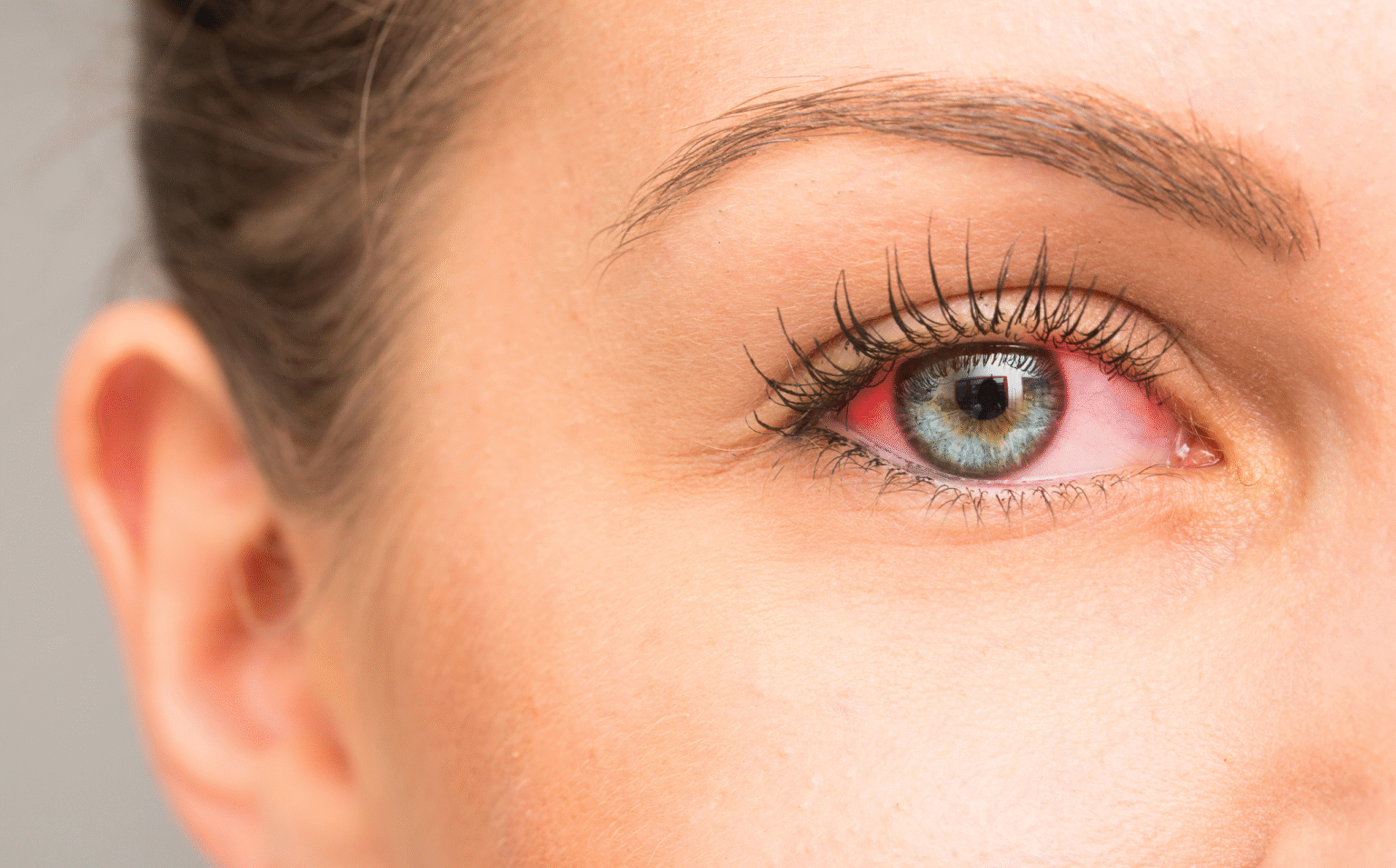
Dry eyes can cause ongoing irritation, redness, blurred vision, and discomfort that may worsen without proper care. When left untreated, it may affect the eye’s surface, increase the risk of inflammation, and interfere with daily activities such as reading, driving, or using digital screens. Here is more information on the long-term effects of untreated dry eyes:
Ongoing Eye Discomfort
When you do not address dry eyes, the immediate and persistent effect is ongoing discomfort. Healthy eyes rely on a steady layer of tears to remain lubricated and comfortable, but dry eye syndrome disrupts this balance. Patients may experience chronic redness, stinging, and a burning sensation that lasts throughout the day.
The lack of proper lubrication causes the eye’s surface to become inflamed over time. Some people experience a stringy mucus discharge, which further complicates the issue. Managing the discomfort requires targeted treatments that help retain moisture and alleviate chronic irritation.
Monitoring Vision Changes
Untreated dry eye disease can lead to noticeable changes in your vision quality. A stable tear film is necessary for clear sight, and when this layer is compromised, visual disturbances become a regular occurrence. Here are some of the vision changes patients may observe:
- Blurry vision: The tear film helps focus light on the retina, and a disrupted tear layer scatters this light, causing blurry close-up and distance vision.
- Light sensitivity: As the eye’s surface becomes more irritated and inflamed, patients may develop increased sensitivity to bright light.
- Fluctuating clarity: Vision may shift between clear and blurry throughout the day, depending on your environment, the time of day, and how much you blink.
Addressing these vision quality changes is fundamental for maintaining a high quality of life. Once the underlying moisture issue is resolved, these visual disturbances may subside.
Preventing Surface Damage
One of the severe long-term effects of untreated dry eyes is the risk of surface damage to the eye. The tear film provides moisture, and it also acts as a protective barrier against debris, bacteria, and friction. When your eyes are persistently dry, the friction between the eyelid and the surface of the eye increases significantly during blinking.
This constant friction can lead to corneal abrasions, which are painful scratches on the surface of the eye. If the condition progresses without intervention, these abrasions can develop into corneal ulcers, posing a significant threat to your vision. The lack of protective tears increases your susceptibility to serious eye infections.
Reducing Daily Disruption
The cumulative effects of chronic discomfort, vision changes, and surface damage often lead to a significant disruption of your daily life. Dry eyes can interfere with routine activities, making simple tasks feel frustrating and exhausting. Here’s how daily activities can be affected:
- Screen time difficulties: Working on a computer or reading on a tablet becomes challenging, as reduced blinking during these tasks exacerbates dryness and causes severe eye strain.
- Contact lens intolerance: Contact lenses require adequate moisture, and dry eyes make them incredibly uncomfortable, often forcing individuals to rely solely on glasses.
- Environmental sensitivities: Everyday environments, such as air-conditioned offices, windy days, or dry climates, trigger painful flare-ups and limit your ability to participate in outdoor or social activities.
Making lifestyle changes, such as reducing screen time or taking omega-3 fatty acids, can be beneficial, but professional medical treatment is often required to fully restore comfort and functionality.
Schedule Your Dry Eyes Appointment
Dry eyes can cause chronic discomfort, changes in vision quality, increased risk of surface damage, and disruption to daily life if left untreated. Recognizing these long-term effects is a helpful step toward protecting your vision and maintaining ocular health. A comprehensive eye exam and specialized testing can determine the exact cause of your condition. Contact a qualified optometrist near you to schedule your appointment for dry eyes today.







