


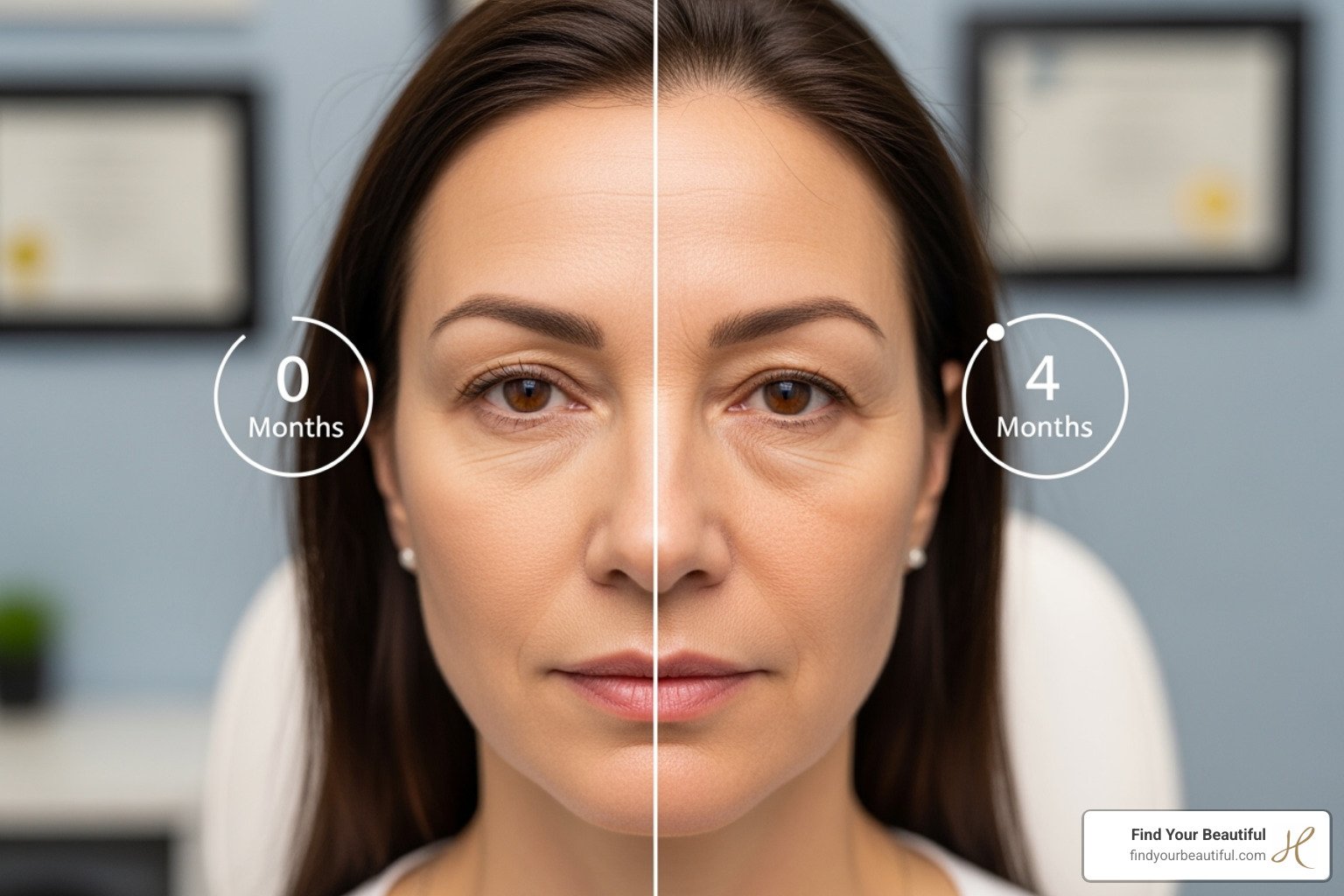
Botox is an injectable treatment commonly used in cosmetic care; it addresses visible facial lines caused by repeated muscle movement. Providers may use it on the forehead, between the eyebrows, and around the eyes. Here is some information about Botox and its potential benefits for anti-aging:
Understanding the Treatment Basics
Botox belongs to a group of injectable treatments used in both cosmetic and clinical settings. In anti-aging care, providers use it to address dynamic lines; these are lines that form from repeated facial expressions such as frowning, squinting, or raising the eyebrows. Dynamic lines can become more noticeable over time.
Rather than affecting the whole face, Botox targets specific muscles in precise areas. This focused approach gives providers a structured way to address certain lines, and it allows them to follow an individualized treatment plan. Because the treatment is localized, appointments usually center on a mapped series of small injection points instead of a broad facial approach.
Reviewing the Common Treatment Areas
Several areas of the face can be treated with Botox, including the forehead. The lines between the eyebrows receive regular attention, especially when they become more noticeable during expressions. Crow’s feet are another well-known treatment area; these form near the outer corners of the eyes. Some providers also treat smaller zones on the lower face and chin, depending on the individual and the treatment plan. Facial movement patterns and line depth vary from person to person, so no two plans are exactly alike. Providers tailor each session to the specific features being addressed, providing personalized anti-aging treatments.
Explaining the Appointment Process
Most Botox appointments begin with a consultation. During this visit, the provider may examine the face at rest and in motion, review the areas of focus, and outline the injection plan. This step gives you a straightforward picture of what the treatment is designed to address and how the session will proceed.
Once the appointment begins, the provider cleans the skin and places a series of small injections into the selected areas. The number of injections depends on the treatment plan, the number of zones involved, and the provider’s method. This visit may be brief, and it takes place in an office rather than a surgical setting.
After treatment, the provider usually gives aftercare instructions. These directions may address activity, positioning, and the rest of the day’s schedule. Following these steps is a helpful part of the overall process.
Noting the Practical Benefits
Botox is a practical anti-aging option for several reasons. It is non-surgical, and the appointments are often short, so they are easy to fit into a busy schedule. Treatment also remains focused on defined areas, making the process easier to track over time. Several notable advantages include:
- Targeted treatment for specific facial lines
- Office-based visits with no surgical incisions
- A repeatable schedule for ongoing maintenance
Understanding the Maintenance Timeline
Treating lines and wrinkles with Botox does not produce a permanent change, and providers often present it as part of an ongoing routine with follow-up visits scheduled over time. The timing of repeat appointments varies based on the treatment plan and provider guidance. During follow-up visits, the provider reviews the treated areas, notes visible changes, and adjusts the plan if needed.
Find an Experienced Botox Provider
Botox is a suitable anti-aging option for many individuals. It addresses various areas, including the face and chin, and it helps improve the skin’s appearance for several months at a time. For more specific guidance, schedule a consultation with a qualified Botox provider and discuss your options in detail.







