


Disc replacement surgery treats a damaged spinal disc with an artificial one, and surgeons use it in some neck or back cases. You may hear it called artificial disc replacement. Since the goal is to preserve motion at the treated level, recovery differs from spinal fusion. Here is what you should know about disc replacement surgery recovery:
Providing Less Invasive Procedures
Your surgeon reaches the spine through a planned incision, and the approach depends on the disc location. Recovery starts right away. While disc replacement surgery still counts as a major procedure, it typically involves less muscle disruption than some other options.
You will likely stand and walk soon after surgery, but your care team sets the timeline. As walking supports circulation and basic mobility, many patients begin short walks the same day or the next day. If your surgeon gives limits on lifting, bending, or twisting, keep those limits during the early phase.
Removing Damaged Disc
The surgeon removes the damaged disc, and that step creates space between the vertebrae. This part of the procedure is precise. Because nearby nerves and soft tissues need protection, the surgical team works within a controlled field.
After surgery, pain levels vary, and the source of pain may shift during healing. Some discomfort comes from the incision. While deep disc pain may lessen, muscle tightness and stiffness often appear during the first weeks.
You may notice these typical recovery tasks:
- Walk several times each day
- Keep the incision clean and dry
- Take medicines as directed
These steps support routine healing, and they help you track changes. Stay observant. If drainage, fever, or rising redness appear, contact your surgeon’s office.
Healing With Artificial Disc
The artificial disc goes into the cleared disc space, and its size must match your anatomy. Since alignment affects motion and load transfer, surgeons confirm position during the procedure. Your surgeon may use follow-up imaging, and those visits help track disc position. Healing still takes time.
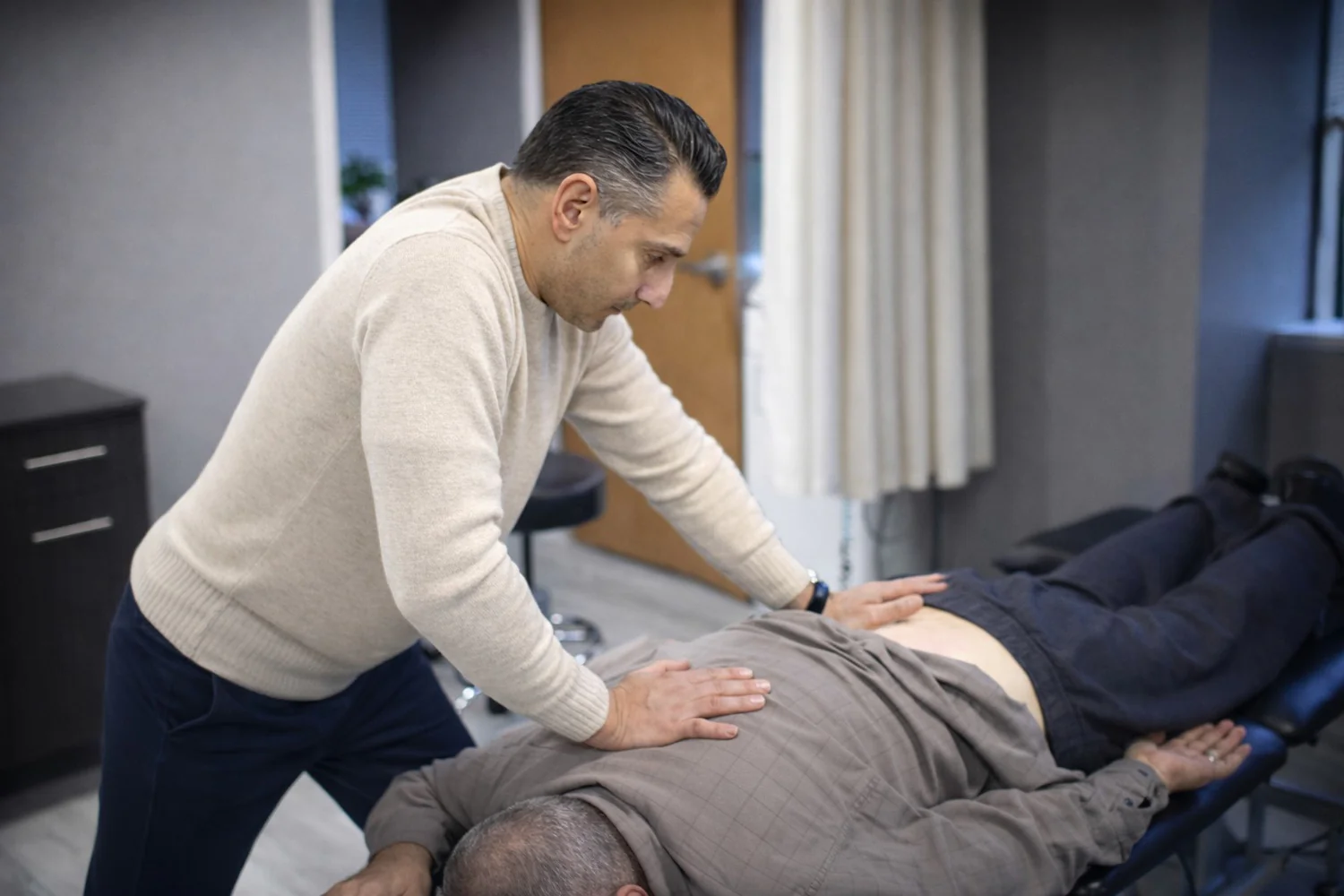
While the device replaces the damaged disc, surrounding muscles and tissues still need to recover. Activity typically increases in stages, and physical therapy may start after your surgeon approves it. Keep movements controlled. When therapy begins, you may work on posture, walking form, and core support.
Artificial discs:
- Mimic the natural motion of a healthy spinal disc.
- Are designed to promote mobility and flexibility in the spine.
- Are engineered to reduce wear and minimize long-term complications.
- Come in customizable sizes to fit various patient anatomies.
Regaining Stability
Recovery focuses on movement and stability, and both develop over time. Progress is gradual. Since the spine needs support from muscles as well as the implant, exercise plans usually start with basic tasks.
You may receive instructions about sitting, sleeping, and driving, but the exact rules differ by case. Ask for clear limits. If you have a desk job, your return may differ from someone who lifts, climbs, or bends all day.
Fatigue may last for several weeks, and pacing helps during that period. Rest has a significant role. While too much inactivity may slow your return to routine movement, too much activity may increase soreness.
Schedule Disc Replacement Surgery
Recovery after disc replacement follows a structured path, and your surgeon will outline that path for your condition. Since healing times differ by age, health status, and surgical level, use your own care plan as the guide. If you are preparing for disc replacement surgery, contact your spine specialist to schedule an evaluation and discuss recovery steps.







