


Orthodontics focuses on the position of teeth and jaws. Young children to older adults seek treatment when they experience concerns related to misalignment, spacing, and bite issues. The field offers many appliances and techniques, and each is designed to address a specific concern. Here are some different types of orthodontic treatments available for all ages:
Fixed Space Maintainers
These devices are commonly used to prevent tooth shifting when a primary tooth is lost too early. Though children lose baby teeth on their own schedule, sometimes a tooth comes out earlier than expected. This is often due to decay or injury. A fixed space maintainer holds the gap open so the surrounding teeth do not drift into the empty area. Nearby teeth typically shift toward open spaces, and this may block the adult tooth waiting beneath.
A fixed space maintainer is small and attaches to a neighboring tooth using a metal band. A wire across the gap to keep it stable, and your child wears it until the permanent tooth begins to break through the gum. Once that happens, the orthodontist removes the device. Since the appliance stays in place, it requires careful brushing around the wire to keep the area clean.
Braces and Rubber Bands
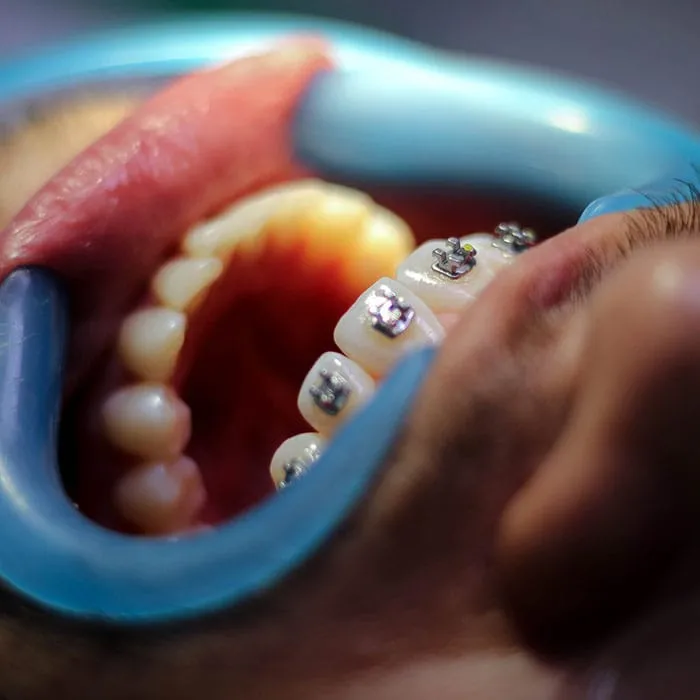
Braces are a common treatment in orthodontics, and they work for teenagers and adults alike. Traditional braces use metal brackets bonded to each tooth, connected by a thin archwire. The wire applies steady pressure, moving teeth into new positions over many months. Adjustments happen at regular visits, when the orthodontist tightens or changes the wire.
Rubber bands are frequently introduced as part of orthodontic treatment once the teeth begin to shift. These small loops stretch between hooks on the upper and lower brackets. They correct the way the jaws meet, and they address overbites, underbites, and crossbites. You attach and remove them yourself, following the schedule your orthodontist sets. Wearing them as directed keeps the treatment on track.
Several styles of braces exist beyond the classic metal version. Ceramic brackets blend with the color of your teeth, making them less noticeable. Some patients choose clear aligner trays, which fit over their teeth and gradually shift them. Each option suits different goals and lifestyles, and an orthodontist can help you select one that meets your needs.
Palatal Expanders
A palatal expander widens the upper jaw, which helps create more space for crowded teeth. Orthodontists use it with younger patients since the bones of a child’s palate have not yet fully fused. The device fits across the roof of the mouth and attaches to the upper molars. A small screw in the center allows gradual widening. You turn the screw with a special key, usually once a day, following the instructions you receive. Each turn places pressure on the two halves of the palate, and the jaw widens to create room for crowded teeth or to correct a narrow bite. Some people notice a slight gap forming between the front teeth during this process, but it typically closes as treatment continues. The expander typically stays in place for several months to let new bone settle into the wider position.
Visit an Orthodontics Clinic
Each orthodontic treatment serves a particular purpose, and the right one depends on your age, dental history, and goals. A trained orthodontist examines your teeth, takes images, and reviews your bite before recommending a plan. This gives you accurate information rather than guesswork. If you or your child has questions about alignment or spacing, schedule a consultation with an orthodontics clinic today.







