


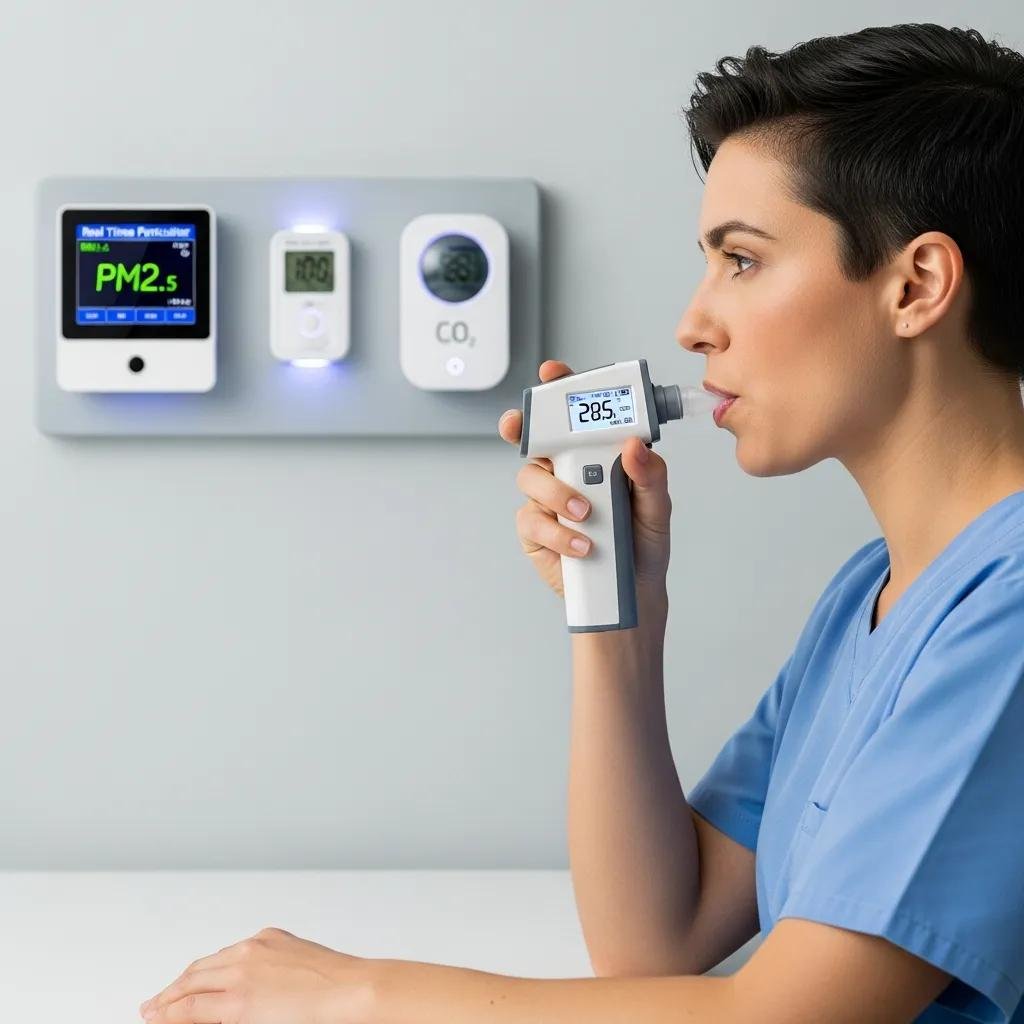
Asthma is a chronic respiratory condition that narrows the airways, making breathing difficult. It is triggered by allergens, irritants, and infections. Symptoms range from wheezing to chest tightness, and they are managed with medications and lifestyle changes. Primary care providers play a central role in diagnosis, treatment, and long-term support. Here is more information for primary care patients on asthma and the support systems available to help manage it effectively:
What Is Asthma?
Asthma is a chronic condition that affects the airways in the lungs, causing them to become inflamed, narrowed, and lined with excess mucus. Breathing becomes difficult when this happens. The condition varies widely in severity; some individuals experience mild, infrequent symptoms, while others deal with persistent episodes that interfere with daily functioning.
Asthma is not curable, but it is a manageable condition. With the right treatment plan provided by a primary care physician, patients can maintain a good quality of life. Long-term management is the central goal of care.
What Causes It?
The exact cause of asthma is not fully understood, though a combination of genetic and environmental factors plays a role. A family history of asthma or allergic conditions increases the likelihood of developing asthma or other allergic conditions. Common triggers that provoke symptoms include:
- Allergens such as dust mites, pollen, mold, and pet dander
- Respiratory infections, air pollution, cigarette smoke, and cold air
- Physical exertion and pharmacological agents
Identifying individual triggers is a key component of any asthma management plan, and primary care providers help patients track these patterns over time.
What Are the Symptoms?
Asthma symptoms vary between individuals, but several signs are commonly reported across patient populations. Wheezing, a high-pitched whistling sound when breathing, is one of the most recognized indicators. Shortness of breath, chest tightness, and a persistent cough, particularly at night or early in the morning, are also characteristic of the condition. During an asthma attack, airways narrow rapidly, making breathing difficult. Recognizing early warning signs and responding promptly can prevent episodes from escalating.
How Are Symptoms Managed?
Asthma is managed through a combination of medication and environmental adjustments, which a primary care doctor may recommend. Patients may be encouraged to minimize exposure to known triggers, maintain a healthy weight, and avoid smoking or secondhand smoke. Monitoring symptoms in a symptom diary helps patients find relief, and it enables clinicians to assess how well the condition is controlled. Developing an asthma action plan in collaboration with a healthcare provider gives patients a structured framework for responding to changing symptoms.
How Is Primary Care Beneficial?
Primary care serves as the foundation of asthma management for some patients, and physicians are typically the first point of contact for diagnosis. They coordinate ongoing treatment and routine monitoring. Regular check-ins with a doctor allow for timely adjustments to treatment plans as the patient’s condition evolves.
Primary care also addresses the broader health needs of patients with asthma, providing resources and support systems. Coexisting conditions sometimes influence asthma severity, and they are managed within the same care partnership. This integrated approach can lead to more consistent outcomes for patients.
Seek Professional Support Now
Asthma is a chronic condition that requires structured, ongoing care. Understanding its causes, recognizing symptoms early, and following a consistent management plan help patients cope, and physicians offer the continuity of care that makes this possible. If you have asthma, seek professional support today.







