


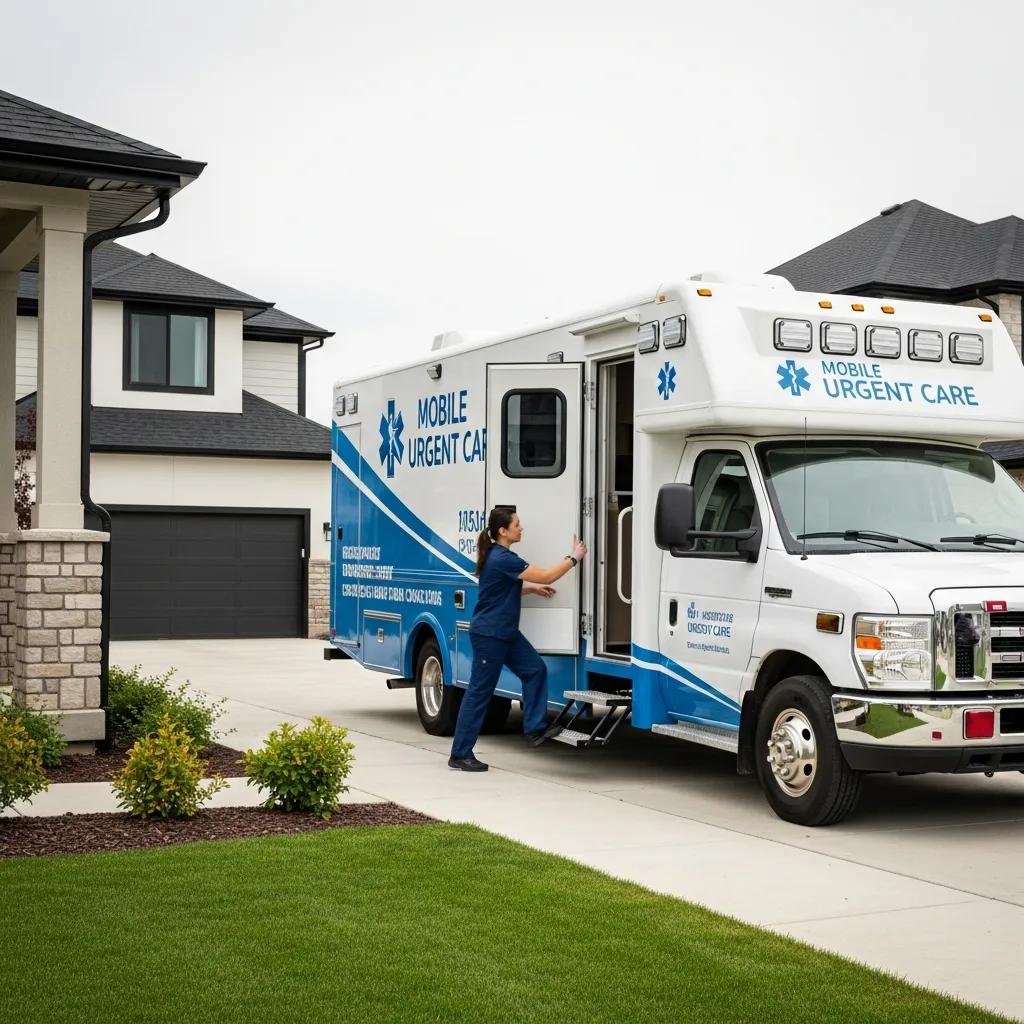
Urgent care clinics provide busy families with timely medical support for non-life-threatening illnesses and injuries that require prompt attention. These services help families address unexpected health concerns without significantly disrupting work, school, or daily routines. Here are some of the advantages of urgent care services for busy families:
Accessing Timely Care
Long wait times can complicate a busy week, and urgent care services address this by offering same-day access without an appointment. Most clinics open early, stay open late, and welcome patients on weekends, which gives families flexibility around work and school commitments. A parent who notices a sore throat in the evening can visit a nearby clinic rather than wait days for an opening. This structure helps families manage minor health matters before they interfere with daily plans. When you arrive, trained staff assess your concern, gather relevant history, and direct you toward the next step.
Treating Common Health Concerns
Urgent care clinics handle a broad range of conditions that affect people of all ages. The following are concerns these clinics commonly address:
- Minor injuries: Staff treat sprains, small cuts, and minor burns, and some clinics offer on-site X-rays for suspected fractures.
- Cold and flu symptoms: Providers evaluate coughs, congestion, and fevers, then recommend an appropriate course of action.
- Ear and throat infections: Clinics assess earaches and sore throats, and they perform rapid tests to guide treatment.
- Skin conditions: Providers examine rashes, minor infections, and insect bites during a single visit.
- Seasonal allergies: Staff address allergy symptoms that disrupt sleep, work, or school.
This range makes urgent care a helpful resource for the everyday concerns families face year-round.
Minimizing Family Disruptions
A trip to a crowded emergency room can consume an entire day, but urgent care visits generally move faster. Shorter wait times mean a parent can return to work, and a child can rejoin school activities sooner. The efficiency of urgent care services preserves the rhythm of a household and reduces the stress that comes with unplanned interruptions. Convenient locations add to this advantage; some clinics sit within neighborhoods and shopping centers. You can stop for care during a routine errand and avoid a lengthy drive across town. Some clinics also coordinate your records with your primary care provider, which helps keep your health information organized.
Knowing When Urgent Care Helps
Choosing the right care setting saves time; it directs each concern to the appropriate level of treatment. Reviewing the following points can help you determine when urgent care aligns with your situation:
- Non-life-threatening symptoms: Urgent care is suitable for conditions that require prompt attention but do not pose an immediate danger to life.
- After-hours needs: When your primary care office is closed, a walk-in clinic offers an alternative to the emergency room.
- Minor injuries and illnesses: Cuts, sprains, and mild infections often fall within the scope of these clinics.
- Basic diagnostic services: Some clinics provide X-rays and rapid tests, which support faster decision-making.
For severe symptoms such as chest pain, difficulty breathing, or major trauma, call emergency services right away.
Choose Urgent Care Services Today
Urgent care clinics provide a valuable middle ground for addressing non-emergency medical needs efficiently and conveniently. These clinics offer extended hours, convenient locations, and a broad scope of treatment, reducing the disruption that unexpected health issues can cause. Locate a nearby walk-in clinic near you, explore available urgent care services, and keep its details on hand for the next time your family needs prompt attention.







