


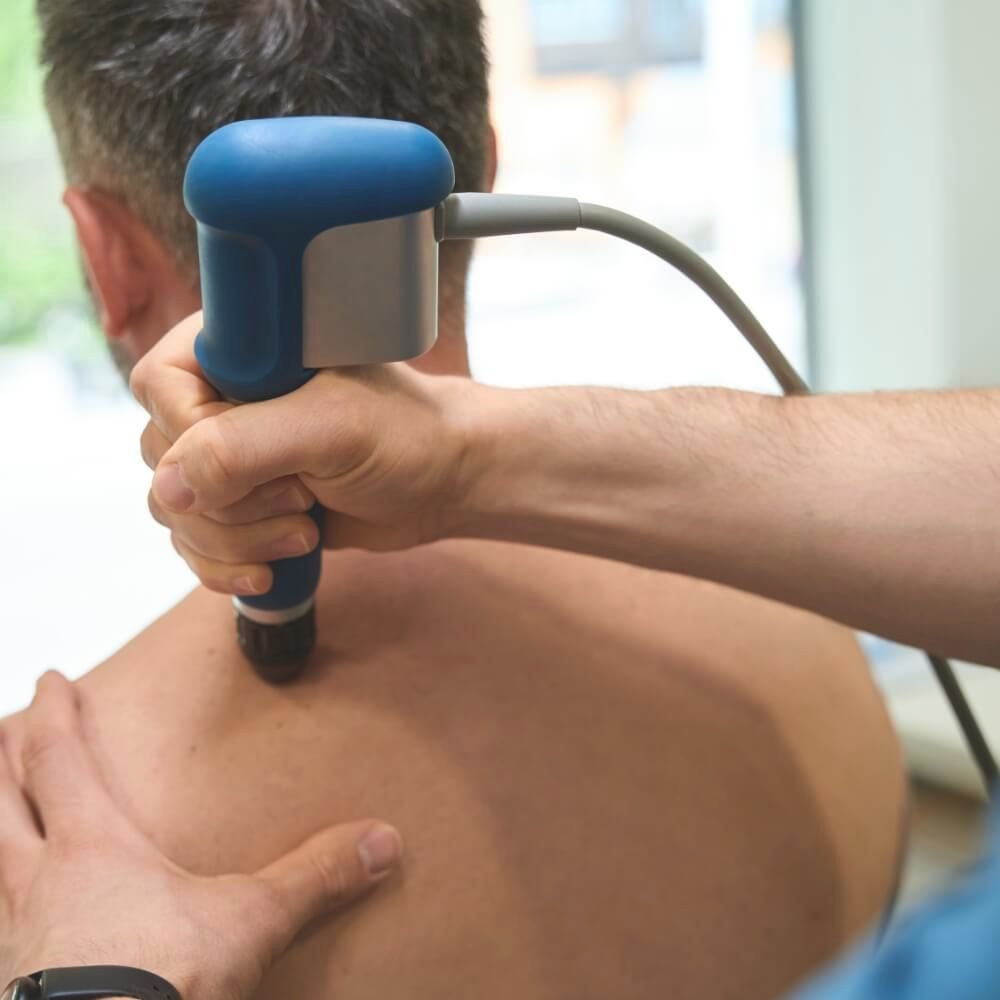
Shockwave therapy is a non-invasive treatment that uses acoustic waves to stimulate healing in injured tissue. A device delivers pressure waves to a targeted area, and these waves prompt a biological response in the body. Since it avoids surgery and medication, it is helpful for people who want a conservative option. Here is more information about this type of therapy and how it aids recovery:
Delivering Acoustic Waves
Shockwave therapy works by sending energy pulses into soft tissue. A practitioner applies a handheld device to your skin, and the waves travel to the injured site below the surface. When the waves reach damaged tissue, they create a mild mechanical stress that triggers cellular activity.
Sessions are short, and they can be repeated. Your practitioner adjusts the intensity based on your tolerance and the location of your injury. While some pressure is normal during treatment, most people describe the sensation as manageable.
Improving Blood Flow
Restricted blood flow slows the delivery of oxygen and nutrients to injured tissue. Acoustic waves encourage the formation of new blood vessels, and this process supports the repair of damaged areas. When circulation improves, the body clears waste products and delivers healing resources more efficiently.
Better blood flow may reduce stiffness in affected joints and muscles. Practitioners may recommend the therapy for areas that receive limited natural circulation. Since tendons and ligaments heal slowly, targeted stimulation gives these tissues added support.
Aiding Tissue Regeneration
Damaged tissue needs time and the right conditions to rebuild. Shockwave therapy stimulates cells called fibroblasts, and these cells produce collagen that strengthens tendons and ligaments. When collagen production increases, the treated area gains structure and resilience.
The therapy also breaks down calcium deposits that form in some chronic injuries. A practitioner targets these deposits directly, and the waves help the body reabsorb the buildup over time. If calcification limits movement, its reduction may restore some range of motion.
Recovery timelines differ from person to person. Your practitioner tracks your progress across multiple sessions, and adjustments are made as your tissue responds. While results vary, many people notice gradual changes after a series of treatments.
Alleviating Pain
Chronic pain often persists because nerves stay sensitized to signals. Shockwave therapy may disrupt these pain pathways, and this effect can lower discomfort in the treated region. When pain decreases, movement becomes easier and daily activity feels less limited.
Practitioners use this therapy for several common conditions, including:
- Plantar fasciitis in the heel and foot
- Tennis elbow and other tendon injuries
- Shoulder pain linked to calcium deposits
Each condition responds differently to treatment. Your practitioner explains a realistic outlook based on your history and diagnosis. While the therapy targets pain at its source, it does not replace a full recovery plan.
Schedule Shockwave Therapy Sessions
Recovery works well when you combine treatment with guidance from a qualified practitioner. Shockwave therapy fits into a broader plan, and it typically pairs well with physical therapy and rest. When you follow your provider’s instructions, you give your body a steady path toward healing. To learn whether this therapy suits your injury, contact our clinic and book a consultation today.







