


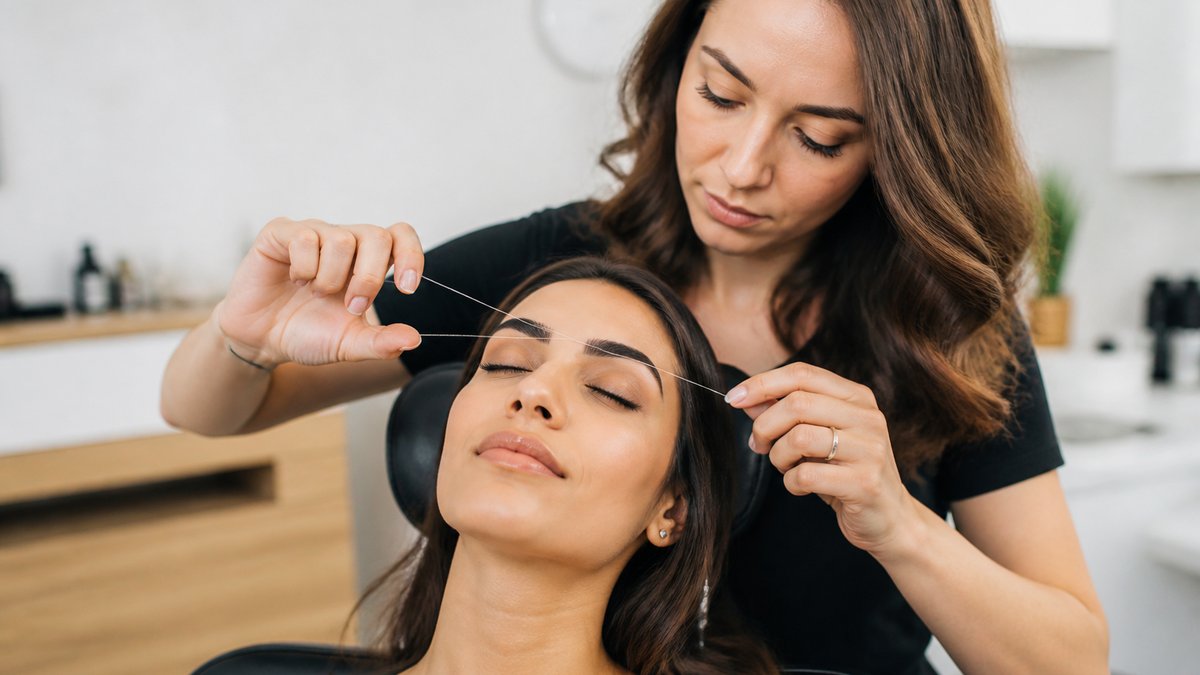
A thread lift raises the brows without surgery, and your habits after the procedure shape the healing process. A provider places thin, dissolvable threads under the skin, and the threads lift the brow tissue. This treatment differs from traditional eyebrow threading, which removes unwanted hair with twisted cotton thread. Here are some tips for improving aftercare:
Use a Cold Compress
Since the threads irritate surrounding tissue, swelling and mild bruising typically appear after the procedure. A cold compress narrows blood vessels, and this reduces puffiness. Apply it for 10 to 15 minutes at a time. Repeat several times a day for the first few days.
Ice may damage delicate skin after eyebrow threading, so wrap the pack in a thin, clean cloth. Hold the compress lightly over the brows without pressing down. If swelling lasts longer than a week, contact your provider for guidance.
Avoid Touching Eyebrows
Your brows may feel tight or tender, and you might notice some swelling. When you touch the area, you may shift the threads before they settle. Keep your hands away from your face for at least one week. This includes scratching, pressing, or adjusting your brows.
As hands carry bacteria, frequent touching may raise the risk of infection at the insertion points. Wash your hands before applying any approved ointment. A clean cotton swab works well for application, and it limits direct skin contact.
Makeup also counts as contact. Avoid brow pencils, powders, and gels until your provider clears you to use them. Facials and brow massages put pressure on the area, so wait about two weeks before booking them.
Sleep With Your Head Elevated
Your sleeping position affects swelling during the first week. Lying flat lets fluid pool in the face, and this may increase puffiness around the brows. When you rest with your head raised, gravity helps fluid drain away. Try these steps for the first several nights:
- Use two pillows or a wedge pillow to raise your head about 30 degrees.
- Sleep on your back to keep pressure off your brows.
- Place pillows at your sides if you tend to roll over.
- Choose a clean silk or satin pillowcase to reduce friction.
Follow Maintenance Guidelines
The threads dissolve over several months, and your body typically builds collagen around them during that time. Your provider will give you instructions that match your personalized treatment plan. Most plans include a few standard guidelines:
- Avoid strenuous exercise for one to two weeks.
- Skip saunas, steam rooms, and hot tubs for at least one week.
- Wear sunscreen and a wide-brimmed hat outdoors.
- Limit alcohol for the first few days.
- Attend every follow-up appointment.
Follow-up visits let your provider check the position of the threads. Report pain, redness, or visible thread ends if you notice them. Some tenderness is normal, but increasing pain or warmth needs prompt attention.
Schedule Eyebrow Threading
A thread lift requires a few weeks of careful aftercare, and each step supports steady healing. Once your provider approves it, you may schedule traditional eyebrow threading to shape stray hairs. Wait at least two weeks after your lift before booking. A dermatology team can offer appointment times for busy schedules.