


Lower back pain is a common problem that affects millions of people worldwide. Whether it’s due to poor posture, prolonged sitting, lifting heavy objects, or age-related changes, this discomfort can significantly reduce your quality of life. The good news is that specific exercises can help relieve lower back pain, improve mobility, and strengthen muscles to prevent future issues. In this article, we will guide you through the best exercises for lower back pain relief in a simple, practical way that anyone can follow.
Why Exercise Helps with Lower Back Pain
Many people think that resting is the best way to deal with back pain. While rest can provide short-term relief, prolonged inactivity can weaken the muscles that support your spine, making the pain worse. Exercise:
- Strengthens the core and back muscles – A strong core supports your spine and reduces strain on the lower back.
- Improves flexibility – Stretching exercises relieve tension in tight muscles, which often contribute to pain.
- Boosts circulation – Moving your body increases blood flow, delivering oxygen and nutrients that help repair tissues.
- Promotes better posture – Strengthened muscles encourage correct posture, preventing recurring pain.
By incorporating the right exercises, you can not only reduce pain but also prevent it from coming back.
Best Exercises for Lower Back Pain Relief
Here are some of the most effective exercises for relieving lower back pain. Always start slowly, listen to your body, and consult a doctor if your pain is severe or persistent.
1. Cat-Cow Stretch
How it helps: This yoga-inspired stretch improves spinal flexibility and relieves tension in the lower back.
How to do it:
- Start on your hands and knees, with your wrists under shoulders and knees under hips.
- Inhale and arch your back, lifting your head and tailbone toward the ceiling (Cow position).
- Exhale and round your back, tucking your chin to your chest (Cat position).
- Repeat this motion slowly for 10–15 repetitions.
Tip: Focus on gentle movement rather than forcing a deep arch or round.
2. Child’s Pose
How it helps: This simple yoga pose stretches the lower back and hips, reducing tension and stiffness.
How to do it:
- Kneel on the floor and sit back on your heels.
- Reach your arms forward on the floor and lower your chest toward your thighs.
- Rest your forehead on the floor and breathe deeply for 20–30 seconds.
- Repeat 2–3 times.
Tip: If you have knee issues, place a pillow under your knees for comfort.
3. Pelvic Tilts
How it helps: Pelvic tilts strengthen the lower back and abdominal muscles, improving core stability.
How to do it:
- Lie on your back with knees bent and feet flat on the floor.
- Tighten your abdominal muscles and flatten your lower back against the floor.
- Hold for 5 seconds, then relax.
- Repeat 10–15 times.
Tip: Move slowly and control your breathing throughout the exercise.
4. Knee-to-Chest Stretch
How it helps: This stretch relieves tension in the lower back and glutes, promoting flexibility.
How to do it:
- Lie on your back with both knees bent.
- Bring one knee toward your chest, holding it with both hands.
- Hold for 20–30 seconds, then switch legs.
- Repeat 2–3 times per leg.
Tip: Keep your lower back pressed gently against the floor to avoid strain.
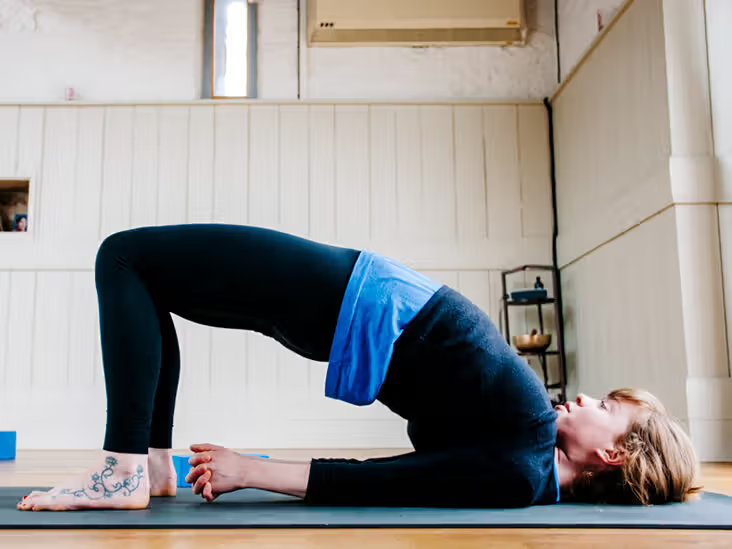
5. Bridges
How it helps: Bridge exercises strengthen the glutes, lower back, and core muscles, which support the spine.
How to do it:
- Lie on your back with knees bent and feet flat on the floor, hip-width apart.
- Press your heels into the floor and lift your hips until your body forms a straight line from shoulders to knees.
- Hold for 5–10 seconds, then lower slowly.
- Repeat 10–15 times.
Tip: Avoid arching your back too much—focus on lifting with your glutes.
6. Bird-Dog Exercise
How it helps: This exercise strengthens the core and improves balance, which reduces stress on the lower back.
How to do it:
- Start on hands and knees, keeping your spine neutral.
- Extend your right arm forward and left leg backward simultaneously.
- Hold for 5–10 seconds, then return to starting position.
- Repeat on the other side for 10 repetitions each.
Tip: Keep your movements slow and controlled to maintain stability.
7. Seated Forward Bend
How it helps: Stretching the hamstrings and lower back can reduce pressure on the spine and relieve pain.
How to do it:
- Sit on the floor with your legs extended straight in front of you.
- Slowly reach forward toward your toes, keeping your back straight.
- Hold the stretch for 20–30 seconds.
- Repeat 2–3 times.
Tip: Don’t force the stretch; stop if you feel sharp pain.
Tips for Exercising Safely with Lower Back Pain
- Warm-up first: Gentle movements or a short walk before exercise prepare your muscles.
- Avoid high-impact activities: Running or heavy lifting may worsen pain.
- Listen to your body: Mild discomfort is normal, but stop if pain increases.
- Consistency is key: Daily or regular short sessions are more effective than occasional intense workouts.
- Combine with good posture: Exercise alone won’t help if you sit or stand incorrectly.
Lifestyle Habits That Complement Back Exercises
- Maintain a healthy weight: Extra weight can strain your back.
- Use ergonomic furniture: Proper chairs and desk setups reduce pressure on your spine.
- Stay hydrated: Water keeps spinal discs healthy.
- Sleep on a supportive mattress: A mattress that supports your spine’s natural curve can prevent pain.
- Take breaks from sitting: Stand up, stretch, or walk every hour to relieve pressure.
5 FAQs About Lower Back Pain Relief Exercises
1. Can I do these exercises every day?
Yes! Most of these stretches and strengthening exercises are safe to do daily. Start with short sessions and gradually increase repetitions.
2. How soon will I feel relief from lower back pain?
Relief varies depending on the cause of your pain. Some people notice improvement in a few days, while chronic pain may take weeks of consistent exercise.
3. Should I exercise if my back pain is severe?
If your pain is severe, sudden, or accompanied by numbness, weakness, or fever, consult a doctor before starting any exercises.
4. Can these exercises prevent future back pain?
Yes. Strengthening the core, improving flexibility, and maintaining good posture significantly reduce the risk of recurring lower back pain.
5. Do I need any equipment for these exercises?
Most exercises listed are bodyweight-based and require no equipment. A yoga mat or soft surface may make them more comfortable.
Conclusion
Lower back pain doesn’t have to control your life. With the right exercises, you can strengthen your muscles, improve flexibility, and relieve discomfort. Stretching and strengthening movements like Cat-Cow, Child’s Pose, Bridges, Bird-Dog, and Knee-to-Chest are excellent starting points. Combine these exercises with healthy lifestyle habits, good posture, and consistency to see the best results.
Remember, the key is slow, controlled movements and listening to your body. Over time, these exercises can provide lasting relief and help you regain mobility and comfort.







