


A colonoscopy is a medical procedure used to examine the inside of your large intestine (colon) and rectum. It helps doctors detect colon cancer, polyps, inflammation, and other digestive problems. While the procedure itself is straightforward, the preparation can feel overwhelming—especially if it’s your first time. Proper preparation is crucial because a clean colon allows your doctor to see clearly and ensures the procedure is safe and effective.
In this guide, we will cover easy, practical, and beginner-friendly tips to help you prepare for a colonoscopy.
Why Colonoscopy Preparation Matters
Preparing for a colonoscopy involves cleaning out your colon so the doctor can examine it thoroughly. If the colon isn’t clean, the doctor may miss polyps or other abnormalities, and the procedure might need to be repeated.
Proper preparation also makes the procedure smoother, reduces discomfort, and minimizes the risk of complications. Think of it like cleaning a window before looking through it—without cleaning, the view is blurry.
1. Understand Your Doctor’s Instructions
Every doctor may have slightly different instructions for colonoscopy preparation. These can include dietary changes, medications, or specific cleansing solutions.
Tips:
- Read the instructions carefully.
- Ask questions if anything is unclear.
- Make a checklist of your preparation steps to follow day by day.
Following your doctor’s instructions exactly is the most important step for a successful colonoscopy.
2. Adjust Your Diet in Advance
Diet plays a significant role in colonoscopy preparation. Usually, your doctor will recommend a low-fiber diet a few days before the procedure.
Low-Fiber Foods:
- White bread, rice, or pasta
- Cooked vegetables without skin
- Lean meats, fish, or eggs
- Clear soups
Foods to Avoid:
- Whole grains, nuts, seeds
- Raw vegetables or salads
- Beans and legumes
- Red or purple drinks (they can affect the colon view)
Tip: Start adjusting your diet 2-3 days before the procedure. Eating light, easy-to-digest foods helps your colon clear faster.
3. Use the Bowel Prep Solution Properly
Bowel prep solutions are special drinks that help flush out your colon. These solutions may taste salty or slightly bitter, which can be unpleasant, but they are essential.
Tips for Taking Prep Solution:
- Chill the solution to make it more palatable.
- Use a straw to bypass taste buds.
- Take small sips slowly instead of drinking quickly.
- Drink plenty of clear liquids afterward to stay hydrated.
Commonly, the prep is taken in two doses—one the evening before and the second a few hours before the procedure. Timing is important to ensure your colon is completely clean.
4. Stay Hydrated with Clear Liquids
Hydration is key during colonoscopy preparation. The bowel prep can cause dehydration, so drinking clear liquids helps prevent dizziness, fatigue, and other side effects.
Clear Liquids You Can Drink:
- Water
- Clear broth or soup
- Tea or coffee without milk
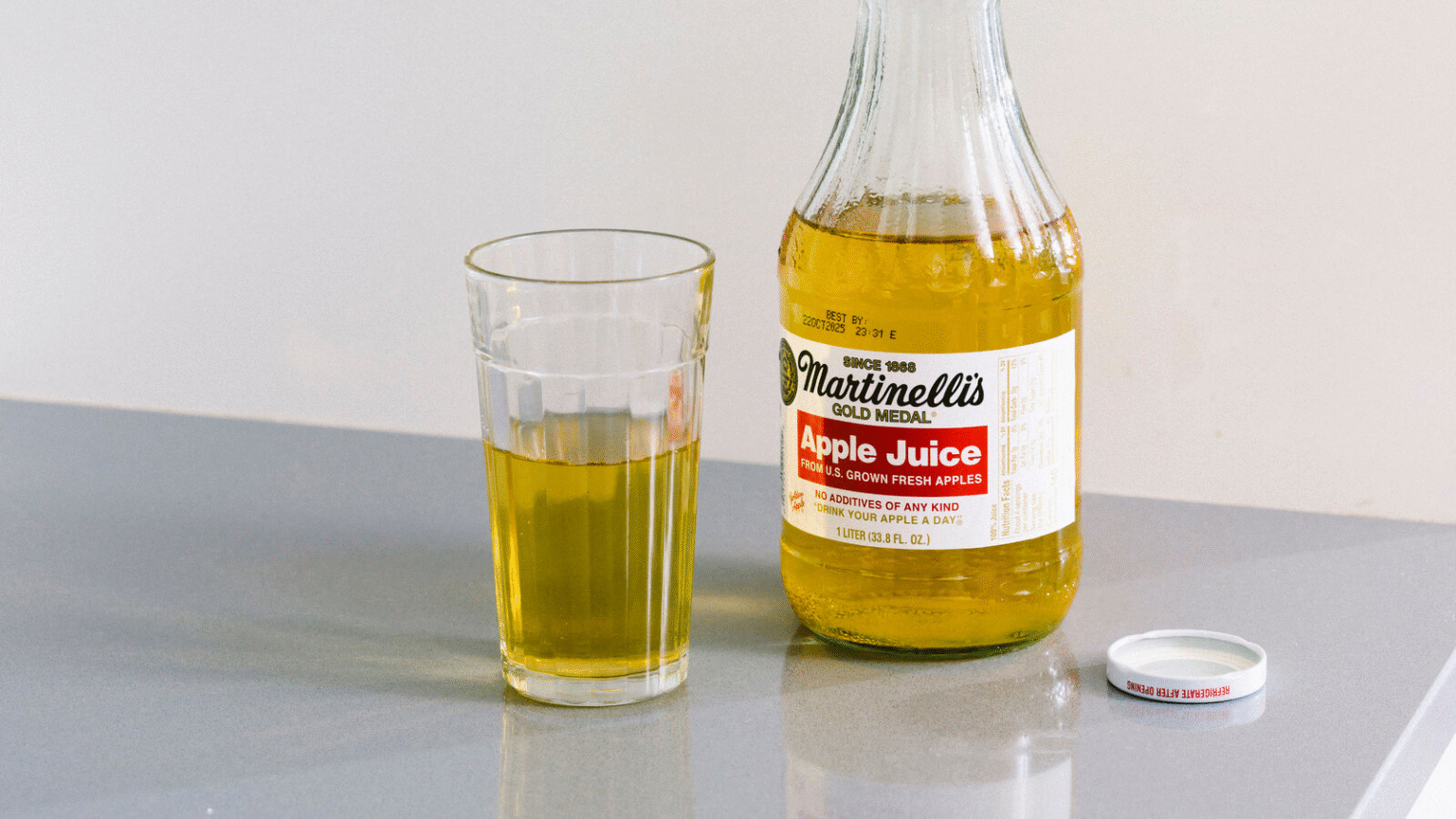
- Clear fruit juices (apple, white grape)
- Sports drinks or electrolyte solutions
- Gelatin (without red or purple coloring)
Tip: Avoid alcohol, milk, or any colored beverages that are not allowed by your doctor.
5. Manage Medications and Supplements
Some medications or supplements may affect colonoscopy preparation or interact with sedation. Inform your doctor about everything you take, including:
- Blood thinners
- Diabetes medications
- Vitamins or herbal supplements
Your doctor may give instructions on which medications to take or pause before the procedure. Never stop a prescribed medicine without consulting your doctor.
6. Plan Your Day of the Procedure
On the day of your colonoscopy, you will need to:
- Avoid solid foods and stick to clear liquids.
- Take the second dose of your bowel prep as instructed.
- Arrange transportation since sedation is usually given.
Tip: Wear comfortable clothing, and bring a book, phone, or headphones to keep yourself relaxed. Colonoscopy itself usually takes 20-30 minutes, but the total time at the clinic may be 2-3 hours.
7. Understand Common Side Effects
During preparation, you may experience:
- Frequent bowel movements
- Stomach cramps or bloating
- Mild nausea
These are normal and usually pass once the colon is empty. Staying close to a bathroom and keeping hydrated will help you manage these symptoms.
8. Relax and Stay Positive
It’s natural to feel anxious before a colonoscopy, especially if it’s your first time. Remember:
- The procedure is safe and common.
- The prep, while uncomfortable, is temporary.
- Proper preparation ensures a successful and efficient exam.
Tip: Try deep breathing, meditation, or listening to calming music to reduce stress. A positive mindset can make the process smoother.
9. After the Procedure
After the colonoscopy:
- You may feel bloated or gassy. Walking and gentle movement can relieve this.
- You may resume normal eating unless your doctor gives other instructions.
- Your doctor will discuss the results and next steps.
Remember to drink plenty of fluids and eat light meals for the rest of the day.
5 FAQs About Colonoscopy Preparation
1. How long does colonoscopy preparation take?
Preparation usually begins 1-3 days before the procedure, depending on your doctor’s instructions. Bowel prep solutions are typically taken the evening before and the morning of the procedure.
2. Can I eat solid food during colonoscopy preparation?
No. You should avoid solid food during the final 24 hours before the procedure. Stick to clear liquids and light, low-fiber meals beforehand.
3. Is bowel prep uncomfortable?
Some discomfort is normal, such as bloating, cramping, or frequent trips to the bathroom. Staying hydrated and following the prep instructions can minimize discomfort.
4. Can I drive myself home after a colonoscopy?
No. Sedation is usually given, which affects your ability to drive. Arrange for someone to take you home safely.
5. What happens if my colon is not clean?
If the colon is not clean, the doctor may not see clearly, and the procedure might need to be repeated. Following prep instructions carefully is crucial for a successful colonoscopy.
Final Thoughts
Colonoscopy preparation may seem intimidating at first, but with proper planning and understanding, it becomes manageable. Focus on clear instructions, hydration, a low-fiber diet, and a calm mindset. These steps not only help ensure a successful colonoscopy but also make the experience more comfortable and less stressful.
Remember: the effort you put into preparation is directly linked to better results and a safer procedure. By following these beginner-friendly tips, you’re taking an important step for your digestive health and overall well-being.







