


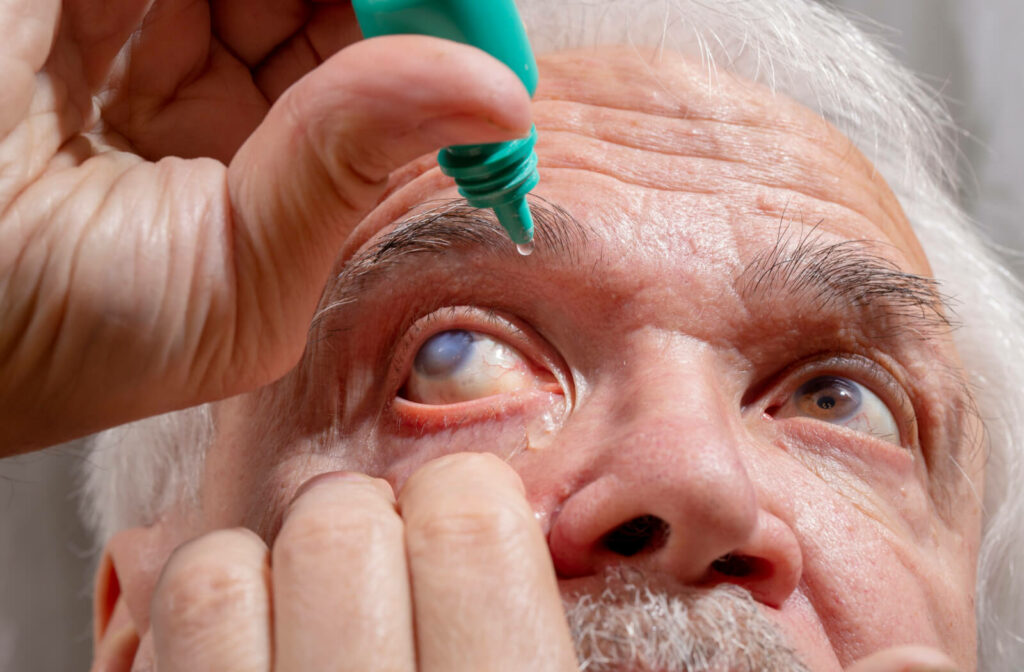
Eye health is essential for maintaining quality of life, yet many people confuse different eye conditions. Cataract and glaucoma are two common eye problems that affect millions worldwide, especially as people age. While both conditions impact vision, they are fundamentally different in causes, symptoms, and treatment. Understanding the distinction can help you seek timely care and protect your eyesight.
In this article, we’ll explain the key differences between cataract and glaucoma, their symptoms, causes, and management, in a simple and human-friendly way.
What is a Cataract?
A cataract occurs when the natural lens of the eye becomes cloudy. The lens is normally clear and helps focus light onto the retina, allowing sharp vision. When it becomes opaque, light cannot pass through properly, leading to blurred or dim vision.
Common Causes of Cataract:
- Aging (most common cause)
- Diabetes or other systemic conditions
- Prolonged exposure to UV light
- Eye injuries or inflammation
- Certain medications like steroids
Symptoms of Cataract:
- Blurry or cloudy vision
- Difficulty seeing at night
- Sensitivity to light and glare
- Faded colors
- Double vision in one eye
Tip: Cataracts usually develop gradually, and early signs may be subtle. Routine eye exams can detect them before vision is significantly affected.
What is Glaucoma?
Glaucoma is a group of eye conditions that damage the optic nerve, often due to high intraocular pressure (pressure inside the eye). The optic nerve connects the eye to the brain, and damage can lead to permanent vision loss.
Common Causes of Glaucoma:
- Increased pressure in the eye (intraocular pressure)
- Genetics and family history
- Age (more common after 40)
- Eye injuries or certain medical conditions like diabetes or high blood pressure
Symptoms of Glaucoma:
- Often called the “silent thief of sight” because early stages have no symptoms
- Gradual loss of peripheral (side) vision
- Tunnel vision in advanced cases
- Eye pain, headache, nausea, or halos around lights (in acute cases)
Tip: Glaucoma can cause irreversible vision loss if not detected early. Regular eye check-ups are crucial for early diagnosis.
Key Differences Between Cataract and Glaucoma
| Feature | Cataract | Glaucoma |
| Definition | Clouding of the eye’s natural lens | Damage to the optic nerve, often from high eye pressure |
| Effect on Vision | Blurry or cloudy vision, faded colors | Gradual loss of peripheral vision, tunnel vision in later stages |
| Pain | Usually painless | May be painless in chronic cases; acute glaucoma can cause eye pain and headache |
| Progression | Slow, vision gradually worsens | Can be slow (chronic) or rapid (acute), may cause permanent vision loss |
| Age Group | Most common in older adults | Can occur at any age, more common after 40 |
| Treatment | Surgical removal of the cloudy lens | Eye drops, laser therapy, or surgery to reduce eye pressure |
| Reversibility | Vision can be restored with surgery | Vision loss is irreversible; treatment prevents further damage |
| Detection | Detected by eye exam, noticeable vision changes | Detected by eye pressure measurement and optic nerve assessment; often asymptomatic early |
How Cataract is Treated
Cataract treatment focuses on restoring vision. Mild cataracts may not require immediate treatment and can be managed with:
- Stronger prescription glasses
- Better lighting while reading
- Magnifying lenses
When vision impairment affects daily activities, surgery is the definitive treatment. During cataract surgery:
- The cloudy lens is removed
- It is replaced with an artificial intraocular lens (IOL)
- Surgery is safe and highly effective, with a high success rate
Tip: Cataract surgery is one of the most commonly performed surgeries worldwide and has a very high patient satisfaction rate.
How Glaucoma is Managed
Glaucoma cannot be cured, but early treatment can prevent further vision loss. Treatment aims to reduce eye pressure and protect the optic nerve. Options include:
- Eye Drops: Reduce eye pressure or improve fluid drainage
- Oral Medications: For additional pressure control
- Laser Therapy: Improves fluid drainage
- Surgery: Creates a new drainage pathway for eye fluid
Tip: Regular follow-ups are essential for glaucoma management because vision loss is permanent and cannot be reversed.
Preventive Measures for Eye Health
Although cataract and glaucoma have different causes, some lifestyle habits help maintain overall eye health:
- Regular Eye Exams: Early detection is key for both conditions.
- Protect Eyes from UV Light: Wear sunglasses with UV protection.
- Control Chronic Conditions: Diabetes and high blood pressure increase risk.
- Healthy Diet: Foods rich in antioxidants, omega-3 fatty acids, and vitamins A, C, and E support eye health.
- Avoid Smoking: Smoking accelerates cataract formation and increases glaucoma risk.
Tip: Preventive care and healthy habits can slow disease progression and protect vision over the long term.
5 FAQs About Cataract and Glaucoma
1. Can cataract lead to glaucoma?
Cataracts do not directly cause glaucoma, but advanced cataracts can increase eye pressure, potentially contributing to secondary glaucoma.
2. Can glaucoma cause cataracts?
Glaucoma itself does not cause cataracts, but certain glaucoma treatments, especially long-term steroid use, may increase the risk of cataract formation.
3. Is cataract surgery risky?
Cataract surgery is generally safe, with a very high success rate. Complications are rare and usually manageable.
4. Can glaucoma be cured completely?
No. Glaucoma cannot be cured, but treatment can prevent further vision loss. Early detection is critical.
5. How often should I get my eyes checked?
Adults should have a comprehensive eye exam every 1-2 years. People over 40 or with risk factors for glaucoma should have more frequent exams.
Final Thoughts
While cataract and glaucoma both affect vision, they are very different conditions. Cataracts cloud the lens and are treatable with surgery, while glaucoma damages the optic nerve and can lead to permanent vision loss if untreated.
Understanding the differences, recognizing symptoms, and maintaining regular eye check-ups are essential for protecting your vision and overall eye health. Early detection, healthy lifestyle choices, and timely treatment can make a significant difference in preserving sight for years to come.







