


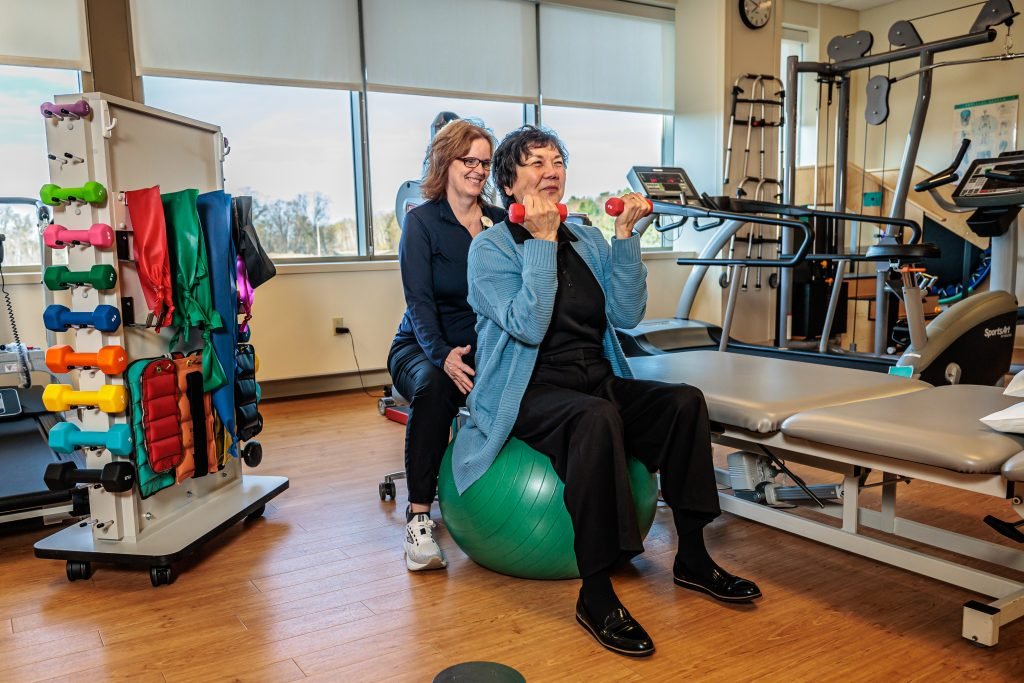
Physical therapy represents a primary component of rehabilitation and recovery for individuals facing musculoskeletal and neurological challenges. When patients experience physical setbacks due to an injury, a recent surgical procedure, or a chronic degenerative condition, regaining baseline function requires a structured approach. A licensed physical therapist provides this structure through customized treatment plans that target specific deficits in mobility, strength, and overall physical performance. This specialized discipline focuses on addressing physical impairments and implementing evidence-based interventions to foster recovery and prevent future injuries.
What Is Physical Therapy?
Physical therapy is a specialized healthcare profession that is dedicated to maximizing physical function and mobility. A physical therapist evaluates and treats a wide array of physical impairments. Rather than relying solely on pharmacological interventions, this field emphasizes active rehabilitation, movement training, therapeutic modalities, and extensive patient education.
The practice centers on evaluating a patient’s current physical capabilities and identifying specific areas of dysfunction. By measuring variables such as joint range of motion and muscular strength, a physical therapist develops a comprehensive clinical picture. From this detailed assessment, they formulate a strategic intervention plan designed to facilitate healing and restore normal movement patterns. The objective is to return the patient to a level of reliable physical ability while minimizing the risk of recurrent injury.
What Does It Address?
A physical therapist addresses a diverse spectrum of medical conditions, injuries, and postoperative states. Patients frequently seek these services to manage acute injuries; this can include muscle strains, ligament sprains, and joint dislocations sustained during daily activities or workplace incidents. Rehabilitation is also heavily utilized following orthopedic surgeries, including total joint replacements, ligament reconstructions, and fracture repairs.
Beyond acute trauma and surgical recovery, physical therapy offers management strategies for chronic conditions. Individuals living with osteoarthritis, rheumatoid arthritis, and degenerative disc disease can use targeted exercises to maintain joint mobility and manage ongoing discomfort. Athletes routinely engage in physical therapy to address sports-specific injuries. Providers may analyze athletic movements to identify biomechanical faults, helping to resolve issues like chronic shoulder pain or lower extremity pain.
What Does It Entail?
Participation in a physical therapy program begins with an initial evaluation. The provider can conduct a series of clinical tests and assess a patient’s health. Based on these findings, the therapist constructs a treatment plan tailored to the individual’s specific physical deficits and daily requirements.
Treatment sessions typically incorporate a combination of active exercises and modalities. Active interventions can include strength training and implement neuromuscular re-education to correct improper movement patterns. Gait and balance training may be utilized for patients experiencing instability, such as those recovering from lower extremity surgeries.
Passive treatments aim to reduce discomfort and prepare the body for active movement. These modalities might involve the application of heat or cold therapy and include therapeutic massage. Practitioners also utilize specialized equipment to address underlying structural abnormalities. Throughout the course of treatment, the physical therapist continually monitors progress, adjusting the intensity and complexity of the exercises as the patient’s physical capacity improves.
Meet With a Physical Therapist
Initiating a rehabilitation program requires collaboration between the patient and the healthcare provider. Maintaining open communication regarding certain factors, such as your pain levels, functional limitations, and personal recovery goals, helps the provider tailor the interventions to your specific needs. Adhering to the prescribed program outside of the clinic remains a fundamental aspect of achieving long-term success. By actively participating in both the clinical sessions and the independent exercises, patients maximize their functional recovery and optimize their overall physical outcomes.







