


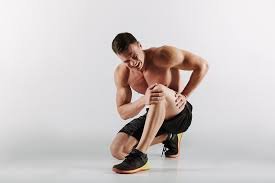
Knee pain affects daily functioning, and individuals benefit from seeking clinical methods for symptom relief. Various treatments exist for this condition. Understanding the available options allows patients to proceed with appropriate interventions. Here is more information on joint rehabilitation and practical strategies for recovery:
What Is Knee Pain?
Knee pain is physical discomfort in or around the knee joint, and it presents in varying degrees of severity. Patients may experience aching, stiffness, or sharp pains during specific movements. This localized pain originates from different structures, including ligaments, cartilage, or the patella. Accurate identification of the pain location aids in diagnosis and directs the subsequent treatment plan.
What Causes It?
Several clinical factors lead to joint discomfort, and mechanical injuries are a primary source. Ligament tears or meniscus damage may occur during physical activities. Degenerative conditions like osteoarthritis cause cartilage breakdown over time, leading to chronic inflammation. Poor biomechanics also place undue stress on the joint structures.
What Are Effective Therapies?
Clinical interventions target specific functional deficits. Physical therapists utilize multiple modalities for comprehensive tissue repair, and manual therapy involves the systematic mobilization of soft tissues. This hands-on approach helps reduce muscle stiffness around the joint. The technique may improve blood circulation to the affected region, facilitating the removal of inflammatory byproducts.
Neuromuscular reeducation focuses on muscle activation patterns. Practitioners use this method to restore proper motor control, and they may guide patients through precise activation drills. The nervous system must coordinate muscle contractions efficiently. Restoring appropriate neurological control stabilizes the knee and prevents compensatory movement patterns during functional tasks.
Gait training corrects abnormal walking mechanics. It reduces the pathological load on the affected knee joint, thereby promoting safe movement across various environmental surfaces. Patients may learn to modify their stride length. Therapists analyze the walking cycle, and they may provide real-time mechanical adjustments to the patient.
What Exercises Can Help?
Structured physical activity strengthens the surrounding musculature. A stable joint experiences less painful friction during movement, and therapeutic exercises specifically target the quadriceps and hamstrings. Patients may perform straight leg raises or isometric holds. Consistent execution of these protocols enhances muscular support, reducing the mechanical burden on the knee.
Functional mobility exercises replicate daily activities, and they train the joint to handle practical biomechanical loads safely. These specific movements may include modified squats or step-ups. Regularly performing these dynamic exercises can increase the range of motion. Therapists prescribe these exercises with precise parameters so that patients execute them with strict form.
How Is Professional Guidance Beneficial?
Medical supervision provides structured rehabilitation protocols. Therapists monitor progress to prevent exacerbation of injury, and practitioners adjust exercise variables based on clinical feedback. Patients may receive objective evaluations of their functional capacity. Independent rehabilitation lacks this objective oversight, potentially leading to recurrent joint injuries.
Manage Your Pain Today
Knee pain requires systematic clinical intervention. Patients can achieve significant improvements through targeted rehabilitation protocols that help improve mechanical joint stability. Consult a healthcare provider to evaluate your specific condition. Professional guidance facilitates proper recovery, and it may allow individuals to resume their daily activities with minimal discomfort.







