


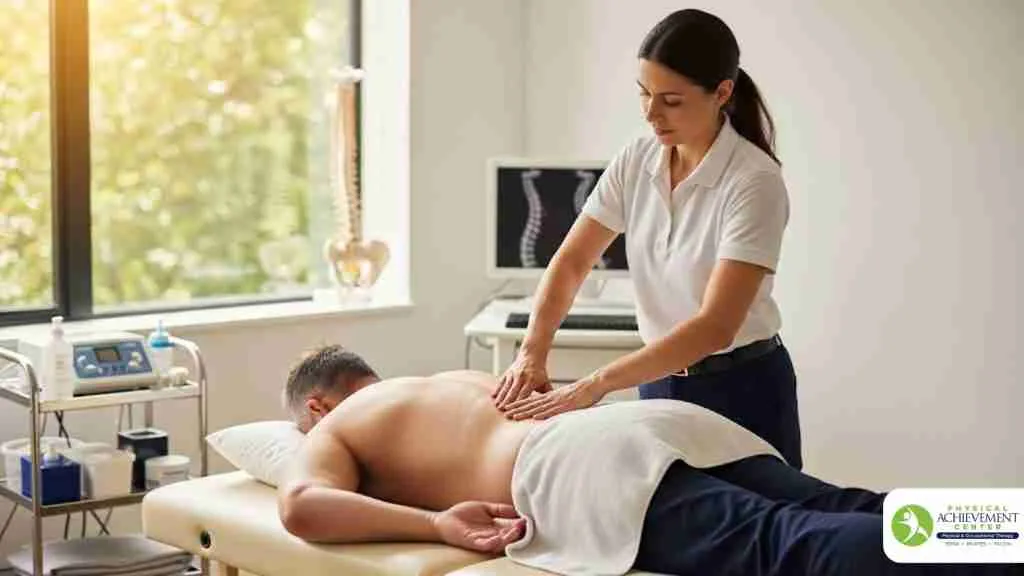
Back pain is a concern that can affect mobility, productivity, and overall well-being. Individuals can benefit from non-invasive approaches that reduce discomfort, improve function, and support long-term spine health without surgery. Here are several non-invasive options used for back pain relief:
Using Conservative Therapies
Conservative therapies are often the first approach in managing back pain, with the goal of alleviating discomfort and improving mobility. Here are key non-surgical treatments specialists often recommend:
- Physical Therapy: Tailored exercise programs designed to strengthen core muscles, enhance flexibility, and reduce strain on the spine.
- Pain Management Medications: Nonsteroidal anti-inflammatory drugs (NSAIDs) or muscle relaxants may be prescribed to control pain and inflammation.
- Heat and Cold Therapy: Alternating between heat to relax muscles and cold to numb pain and reduce swelling.
- Lifestyle Modifications: Encouraging proper posture, maintaining a healthy weight, and avoiding activities that exacerbate back discomfort.
These conservative treatments provide a major foundation for addressing pain in the back, often leading to significant symptom relief.
Targeting Pain With Injections
Interventional pain specialists use targeted injections to address persistent symptoms. Epidural steroid injections deliver medication directly to the affected nerve, and this process reduces severe inflammation. If a patient has a herniated disc, this injection may lower the swelling around the nerve root. Doctors use image guidance to place the medication accurately, and the patient experiences a prominent reduction in their back pain.
Platelet-rich plasma injections offer another fundamental approach for tissue healing. The physician draws a small amount of the patient’s blood, and they isolate the healing factors. When the doctor injects this concentrated plasma into the damaged area, the body’s natural healing mechanisms accelerate.
Exploring Interventional Approaches
Minimally invasive techniques are used for the treatment of back pain, providing effective options for individuals seeking alternatives to open surgery. Here are some advanced interventional approaches commonly used:
- Facet Joint Injections: These injections target the small joints located between vertebrae, delivering corticosteroids or anesthetics to reduce inflammation and provide pain relief.
- Radiofrequency Ablation (RFA): This procedure uses heat generated by radio waves to deactivate specific nerve pathways, effectively reducing chronic back discomfort.
- Neuromodulation: A device implanted near the spinal cord transmits electrical signals that interrupt pain signals before they reach the brain, offering relief from persistent discomfort.
These interventional options are highly targeted and can significantly improve patient outcomes.
Treating Stenosis-Related Pain Minimally
Spinal stenosis causes narrowing of the spinal canal and significant nerve compression. Patients may experience leg cramping, and walking becomes very difficult. If an individual has spinal stenosis, the minimally invasive lumbar decompression procedure offers a safe treatment approach. Surgeons remove small pieces of bone or thickened ligament to relieve the pressure on the spinal cord.
Interspinous spacers provide another helpful option for patients with spinal stenosis. The doctor places a small implant between the bones in the back, which keeps the spinal canal open. When the patient stands or walks, the spacer prevents the nerves from becoming compressed. The physician makes sure the implant fits perfectly, the device supports the spine, and the patient can walk without severe back discomfort.
Get Relief From Back Pain
Treating back pain requires a structured and clinical approach. Physicians initially use conservative treatments, but they switch to interventional procedures for persistent symptoms. A specialist develops a personalized treatment plan, guides you through the recovery process, and helps you achieve a better quality of life. Contact a pain specialist near you to book your appointment for back pain and explore available treatment options today.







