


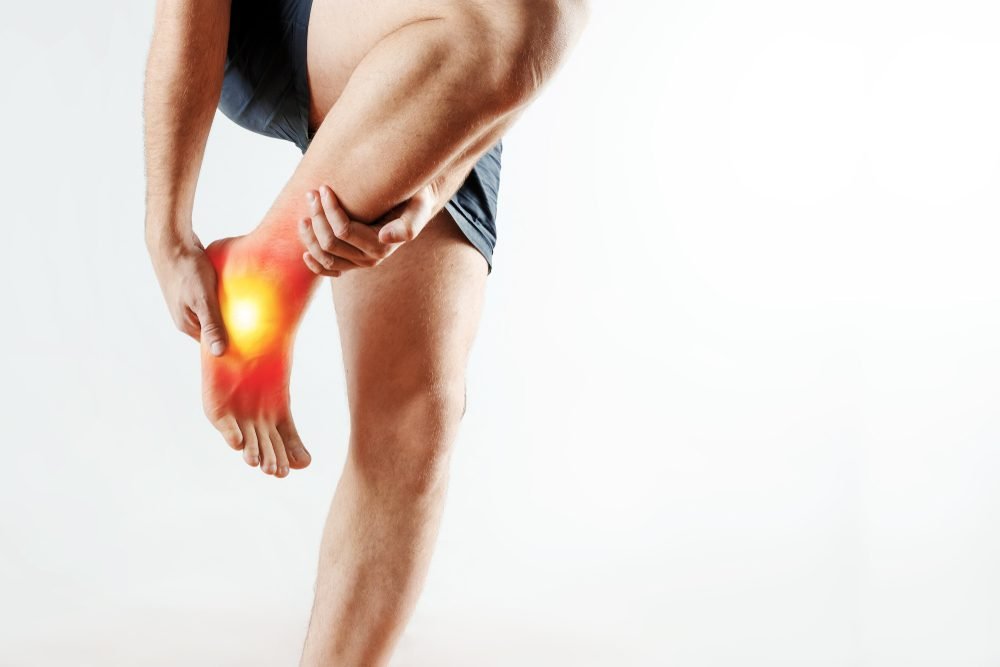
The human foot contains bones, joints, ligaments, and tendons that work in unison to support the weight of the body. When one component of this intricate network sustains damage or develops a disorder, the surrounding structures often bear the burden. Ignoring foot pain can lead to severe physical changes and cause long-lasting mechanical issues. Seeking a professional medical evaluation remains the most effective strategy for preserving optimal foot mechanics.
What Causes Foot Pain?
Numerous specific medical conditions and physical injuries generate discomfort in the feet and ankles. Gout is a specific form of arthritis that causes sharp uric acid crystals to accumulate within the joints, and often results in sudden swelling and redness around the big toe. Other prevalent forms of joint degeneration, such as osteoarthritis or rheumatoid arthritis, create widespread stiffness and inflammation throughout the lower extremities.
Nerve abnormalities also contribute heavily to persistent foot pain. Neuropathy involves progressive nerve damage that produces distinct tingling or numbness, frequently linked to diabetes. A neuroma represents a localized benign growth of nerve tissue. This growth typically forms between the toes and causes a sharp pain, mimicking the feeling of stepping on a small rock.
Physical injuries routinely affect athletes and active individuals. Sprained ankles happen when supporting ligaments stretch beyond their normal anatomical limits, leading to bruising and instability. Turf toe specifically refers to a sprain of the big toe joint, and is commonly associated with playing on artificial grass. Achilles tendon injuries manifest as distinct stiffness in the back of the heel and lower calf due to sudden movements or repetitive overuse.
What Happens If It’s Untreated?
Leaving lower extremity discomfort without proper medical intervention may lead to worsening symptoms, including secondary physical complications. Untreated structural problems can permanently alter the mechanical function of the foot. A minor sprain that heals improperly leaves the ankle permanently unstable and makes it highly susceptible to future sprains.
A lack of medical intervention ultimately restricts daily mobility, as individuals can reduce their physical activity levels to avoid triggering their symptoms. This subsequent decrease in movement affects overall cardiovascular health and muscular strength. Addressing the root cause early helps preserve full physical function and prevents localized joint issues from impacting the entire musculoskeletal system.
How Is Pain Treated?
The diagnostic process begins with a thorough clinical evaluation. During this exam, a provider reviews the patient’s medical history and evaluates the affected areas. Imaging studies frequently assist in confirming a structural diagnosis, so medical providers order X-rays, MRI scans, or CT scans to visualize bones, soft tissues, and joint spaces in detail. Diagnostic tests offer another valuable layer of investigation.
Once a clear diagnosis is established, providers develop a targeted plan of care. Conservative approaches often include rest, regular ice application, and limb elevation. Physical therapy and custom orthotic devices provide long-term mechanical support and help to correct structural imbalances. For more persistent cases, specialists might recommend corticosteroid injections to reduce internal inflammation.
When conservative methods fail to provide adequate relief, surgical intervention becomes a viable option. Surgeons perform various procedures ranging from minimally invasive arthroscopic surgery to comprehensive tendon repairs. The specific treatment path depends on the exact diagnosis and is modified based on the patient’s individual health status.
Meet With a Podiatrist
Scheduling an evaluation with a foot and ankle specialist provides the best path toward resolving persistent discomfort. Regular check-ups provide benefits for individuals managing chronic conditions like diabetes, as proactive monitoring reduces the risk of serious complications. Taking immediate action at the first sign of discomfort helps preserve mobility and promotes a healthier lifestyle.







