


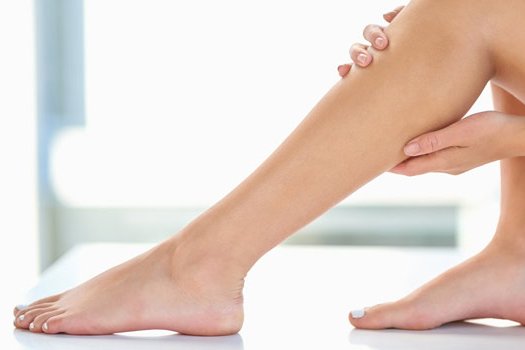
Cardiology care may involve more than assessing circulation and heart-related concerns; it may also address how vascular conditions affect daily comfort and emotional well-being. For individuals living with varicose veins, visible changes, discomfort, and activity limits may influence stress levels, self-image, and quality of life. Here are some psychological aspects of living with varicose veins:
Addressing Body Image
Visible veins alter a person’s physical appearance drastically. Some individuals are self-conscious about their legs, so they change their clothing habits to hide the affected areas. As these veins bulge above the skin’s surface, the patient’s confidence frequently declines. This drop in self-esteem affects daily decisions; a person may avoid swimming at the beach or refuse to wear shorts during hot weather.
Clothing choices become a source of daily anxiety. Patients spend hours selecting outfits that cover their legs, and they discard garments that expose their calves. When summer weather arrives, this wardrobe limitation often causes severe emotional distress.
Managing Daily Discomfort
The physical symptoms of varicose veins often create a constant source of stress. People endure persistent pain throughout the day, and this ongoing discomfort can affect their mental well-being. Here are some of the discomforts that accompany varicose veins:
- Leg fatigue: The constant feeling of heaviness drains a person’s energy.
- Chronic aching: Throbbing pain requires frequent rest periods throughout the afternoon.
- Skin irritation: Itching and burning sensations cause ongoing mental distraction.
These physical disruptions can compound into a significant psychological burden. Patients constantly monitor their pain levels, and this hyper-vigilance exhausts their mental reserves.
Understanding the Social Impact
Varicose veins often limit a person’s social participation. Individuals decline invitations to outdoor events, and they isolate themselves from friends and family. When a patient avoids physical activities, their social network steadily shrinks. Exercise routines also suffer due to vascular discomfort. Physical activity promotes heart health, but patients with swollen legs often stop exercising completely.
A previously active person may resent their physical limitations, and this resentment breeds lingering negativity. While patients desire complete independence, the inability to perform routine tasks forces them to rely on family members. Professional environments present another hurdle for individuals with venous disease. Standing for long periods exacerbates the pain, and this distraction reduces workplace productivity. While employees attempt to hide their discomfort, their job performance inevitably suffers.
Seeking Cardiology Care
Finding relief requires fundamental medical intervention from a vascular specialist. Cardiology professionals use minimally invasive techniques, which eliminate problematic veins. Here are some of the procedures cardiology specialists may recommend:
- Radiofrequency ablation: Devices like ClosureFast use controlled heat to close the faulty vein.
- Medical adhesives: Treatments like VenaSeal deliver a specialized adhesive to shrink and seal the varicosity.
- Circulation restoration: The body naturally redirects blood flow through healthy vessels after treatment.
These clinical solutions alleviate physical and psychological distress. Patients regain their confidence after the veins disappear, and they return to their normal daily activities.
Schedule Your Cardiology Consultation Today
Treating varicose veins effectively improves physical health and significantly enhances a patient’s quality of life. With advanced minimally invasive treatments such as sclerotherapy, problematic veins are eliminated, and proper circulation is restored. These cardiology solutions relieve discomfort, address the root causes of vein issues, and allow patients to return to their normal routines. Contact a qualified cardiology specialist near you to schedule your varicose veins consultation today.







