


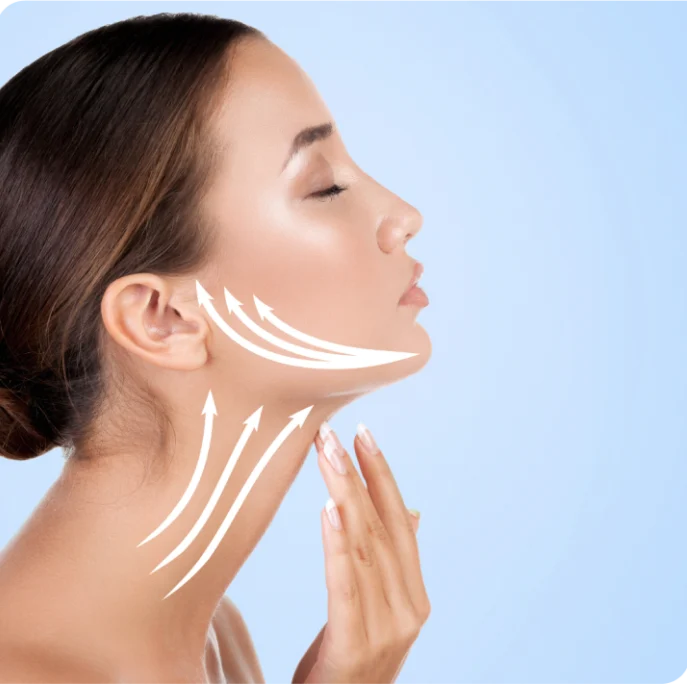
Aesthetics has grown into a broad field of procedures designed to refine the appearance of the skin and facial features. Many people look into these options as they seek ways to address signs of aging, or they may wish to address other unwanted features like uneven texture or changes in skin tone. Understanding what each treatment involves can help you have a more informed conversation with a provider.
Injections
Injectable treatments are a common aesthetics option. They are administered with fine needles; they target areas of the face where patients wish to refine contours or smooth the surface of the skin. Providers typically group injectables into a few main categories. The first category includes neuromodulators, which are applied to specific facial muscles and are commonly associated with the appearance of expression lines. The second category covers dermal fillers, which are made from various substances and are often used to add fullness or reshape selected areas.
Sessions are usually brief and performed in a clinical setting. A provider evaluates the face and applies the product in measured amounts. Results vary by product type and by the individual, and the effects are not permanent. Patients may return for follow-up appointments, allowing them to maintain their preferred appearance. A consultation before treatment allows the provider to review your medical history and discuss which approach aligns with your goals.
Microneedling
Microneedling is a procedure that uses a device fitted with very fine needles, and it is used to create small, controlled punctures in the skin. These tiny channels prompt the skin’s natural repair response. Practitioners can pair the technique with topical products, applied during or after the session.
The procedure generally begins with cleansing the treatment area. A numbing agent may be applied, aiming to reduce discomfort. The provider then moves the device across the skin in a systematic pattern, and they can adjust the needle depth based on the area being treated and the goals of the session.
Recovery time is usually short, but patients may notice redness for a day or two following treatment. Many treatment plans involve a series of sessions spaced several weeks apart. As with any procedure, outcomes differ from person to person, and a provider can outline what a realistic plan might look like for you.
PRP Therapy
Platelet-rich plasma, often shortened to PRP, is a treatment that uses a component of the patient’s own blood. The process begins with a standard blood draw. The sample is then placed in a centrifuge; this is a device that separates the blood into layers and concentrates the platelets.
Once prepared, the platelet-rich portion is applied to the targeted area. Some providers introduce PRP through injection, and others combine it with microneedling so the concentrate can reach the deeper layers of the skin. The chosen method depends on the provider’s protocol and the patient’s goals.
Because PRP relies on the patient’s own biological material, it is often discussed as part of a personalized approach to aesthetic care. Treatment plans may involve more than one session. A consultation helps clarify whether PRP suits your situation, and they can explain what the preparation and recovery processes will involve.
Seek Professional Aesthetics Care
Medical aesthetic services, such as injectables, microneedling, and platelet-rich plasma, offer distinct methods for refining the skin and facial appearance. Knowing the basic principles behind these treatments allows you to evaluate your options and ask informed questions. The next step is to schedule a consultation with a provider. You can review your goals, and you are able to receive recommendations suited to your individual circumstances.







