


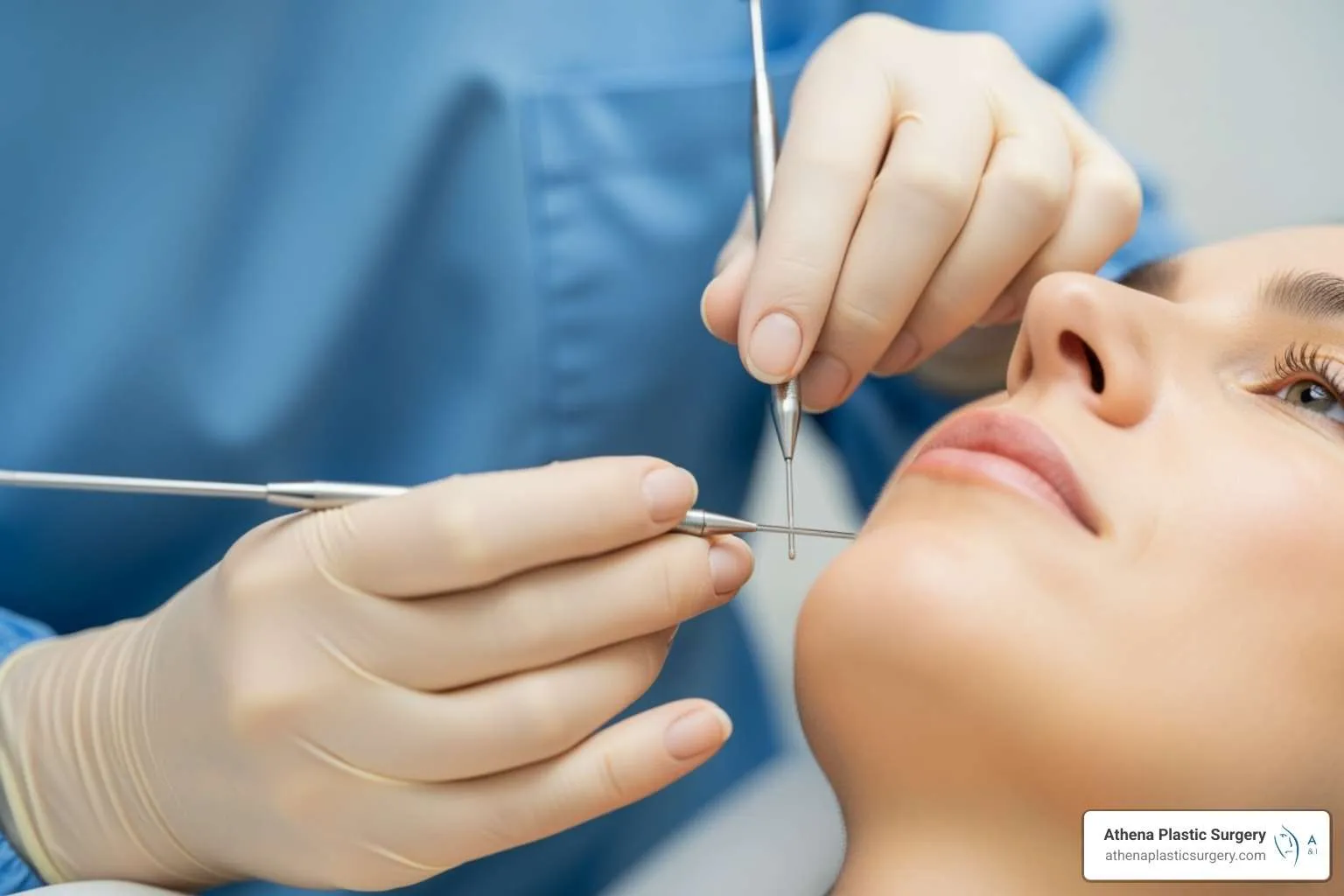
Plastic surgery procedures address both aesthetic desires and reconstructive needs. These procedures are meant to enhance physical appearance, and they may restore form and function after injury or illness. Here is more information about four plastic surgery procedures that a cosmetic plastic surgeon can perform:
What Is a Face Lift?
A cosmetic plastic surgeon performs a face lift to reduce visible signs of aging in the face and neck; a face lift is also called a rhytidectomy. The goal is to create a smoother, more youthful appearance by tightening underlying muscles and removing excess skin. The provider may also recommend a small amount of liposuction on certain areas of the face that create a more sculpted look.
During the procedure, a surgeon makes incisions along the hairline and around the ears. They lift and manipulate the facial tissue, and then they close the incisions carefully. Once you have reached the six-week mark post-surgery, you can resume regular activity, and patients are advised to avoid strenuous activity during the recovery period.
What Is Eyelid Surgery?
Eyelid surgery, or blepharoplasty, addresses drooping upper eyelids, and it resolves under-eye puffiness that can make a person look tired or older. Surgeons remove or reposition excess skin, muscle, and fat through small incisions along the natural lines of the eyelids. Because the incisions follow existing creases, scarring can be minimal and barely visible once healed. Depending on anatomy, the incision for lower eyelid surgery can be behind the eyelid or right under the lashes.
Aftercare includes:
- Applying cold compresses to reduce swelling
- Using prescribed eye drops or ointments
- Avoiding contact lenses for several weeks
Upper eyelid results can last several years to a lifetime, while lower eyelid surgery rarely needs to be repeated.
What Is a Tummy Tuck?
A tummy tuck, or abdominoplasty, removes excess abdominal skin and tightens the muscles of the abdominal wall. This procedure benefits those who have experienced pregnancy or significant weight loss and are left with loose, sagging skin that does not improve with exercise. A surgeon makes an incision from hip to hip, repositions or removes tissue, and sutures the muscles for a firmer profile. Recovery takes three to six weeks, and patients wear a compression garment throughout the healing process.
What Is Fat Transfer?
Fat transfer, also called fat grafting, uses a patient’s own fat to restore volume in areas that have become hollow or flat over time. The goal is to achieve natural-looking fullness without synthetic implants. The process involves three stages:
- Harvesting fat from a donor site through liposuction
- Purifying the fat cells to prepare them for injection
- Injecting the fat into the target area with precision
Patients may experience swelling and bruising for a few weeks after the procedure. Not all transferred fat cells survive, so some volume loss is expected following treatment. A portion of the transferred fat integrates permanently, and results can be long-lasting once the tissue stabilizes.
Find a Cosmetic Plastic Surgeon
Face lifts, eyelid surgery, tummy tucks, and fat transfer are cosmetic surgical procedures that can enhance physical appearance. Each procedure targets specific concerns; they follow a structured process and require a dedicated recovery period. To learn more about plastic surgery procedures available to you, consult a cosmetic plastic surgeon in your area.







