


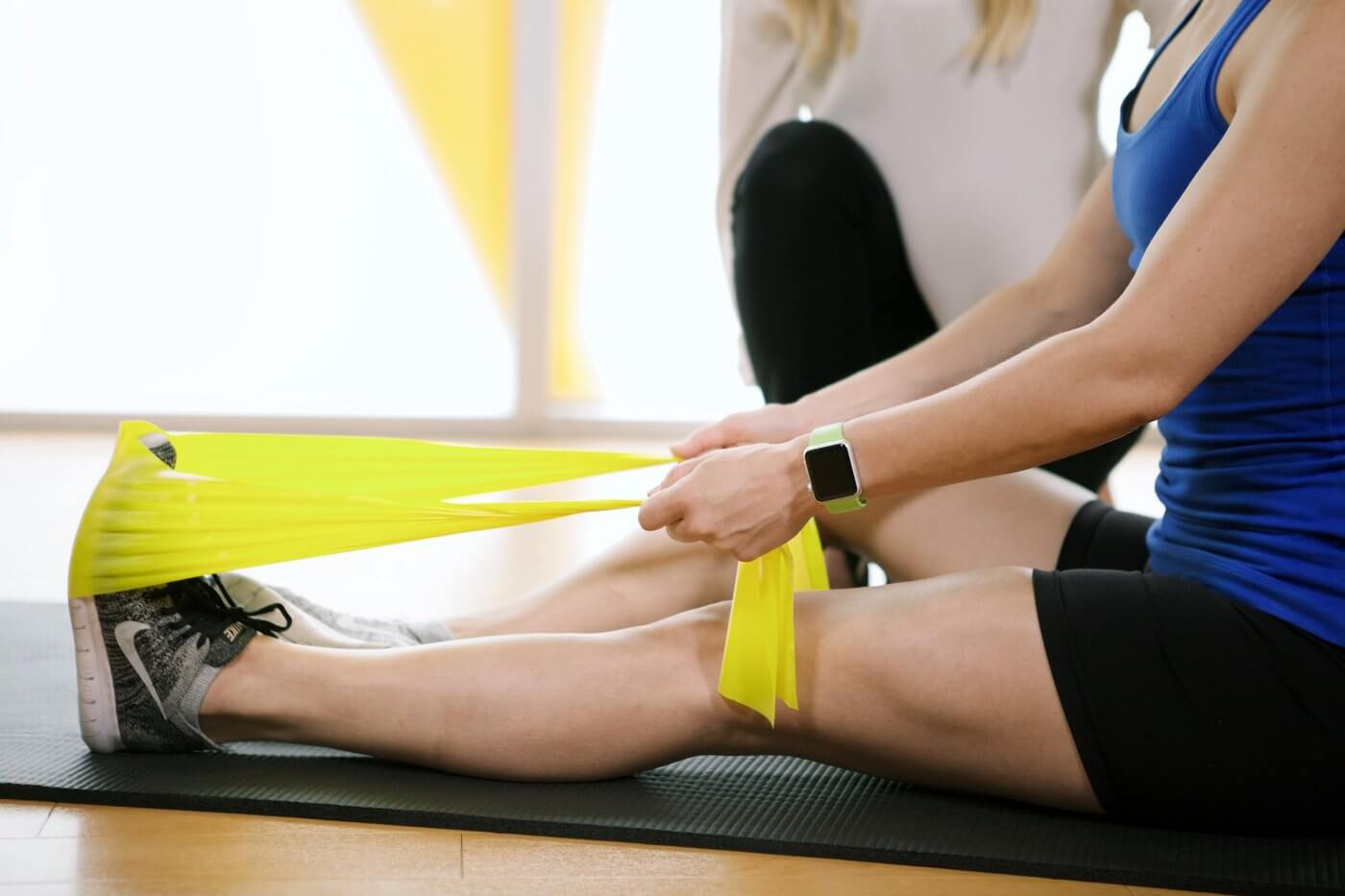
Knee injuries and knee pain are common issues that can affect people of all ages. Whether caused by sports, accidents, surgery, or conditions like arthritis, knee problems can limit your mobility and daily activities. While professional physiotherapy is essential for severe injuries, many home exercises for knee rehabilitation can help strengthen the muscles, improve flexibility, and speed up recovery. In this article, we’ll guide you through effective exercises you can do at home, explain their benefits, and provide tips to ensure safe and effective rehabilitation.
Why Knee Rehabilitation Exercises Matter
The knee is one of the most important joints in the body, supporting weight, enabling movement, and absorbing impact. When injured, muscles around the knee can weaken, leading to stiffness, instability, and further injury.
Home exercises help by:
- Strengthening muscles – Strong quadriceps, hamstrings, and calf muscles reduce stress on the knee.
- Improving flexibility – Stretching exercises prevent stiffness and improve the knee’s range of motion.
- Enhancing stability – Strengthening surrounding muscles helps support the joint and prevent re-injury.
- Reducing pain and swelling – Gentle movement increases blood flow and promotes healing.
- Restoring function – Regular exercises help you regain normal walking, bending, and daily activity performance.
Important Tips Before Starting Knee Exercises
- Consult a doctor or physiotherapist before starting if you have a recent injury, surgery, or chronic condition.
- Warm up with 5–10 minutes of gentle movement like walking or stationary cycling.
- Start slow – Avoid overexertion, which can worsen the injury.
- Use proper form – Incorrect movements can cause further damage.
- Listen to your body – Mild discomfort is normal, but stop if you feel sharp pain or swelling.
Best Home Exercises for Knee Rehabilitation
Here are some effective exercises you can perform at home:
1. Quadriceps Sets
Purpose: Strengthen the quadriceps muscles to support the knee.
How to do it:
- Sit or lie on your back with legs straight.
- Tighten your thigh muscles by pushing the back of your knee toward the floor.
- Hold for 5–10 seconds, then relax.
- Repeat 10–15 times for each leg.
Tip: Keep your leg straight and avoid lifting the thigh.
2. Straight Leg Raises
Purpose: Strengthen the quadriceps and hip muscles without stressing the knee.
How to do it:
- Lie on your back with one leg bent and the other straight.
- Tighten the thigh of the straight leg and slowly lift it to the height of the bent knee.
- Hold for 2–3 seconds, then lower slowly.
- Repeat 10–15 times for each leg.
Tip: Keep your back pressed to the floor to avoid strain.
3. Hamstring Curls
Purpose: Strengthen the hamstrings, which support knee stability.
How to do it:
- Stand behind a chair or counter for support.
- Bend one knee, bringing your heel toward your buttocks.
- Hold for 5 seconds, then lower slowly.
- Repeat 10–15 times for each leg.
Tip: Avoid swinging your leg; keep movements slow and controlled.
4. Heel Slides
Purpose: Improve knee flexibility and range of motion.
How to do it:
- Lie on your back with legs straight.
- Slowly slide one heel toward your buttocks, bending the knee.
- Hold for 2–3 seconds, then slide back to the starting position.
- Repeat 10–15 times per leg.
Tip: Perform the movement gently without forcing the bend.
5. Step-Ups
Purpose: Strengthen quadriceps, hamstrings, and glutes while improving balance.
How to do it:
- Use a stable step or platform 4–6 inches high.
- Step up with one foot, then bring the other foot up.
- Step down one foot at a time.
- Repeat 10–12 times per leg.
Tip: Hold onto a railing or chair for balance if needed.
6. Wall Slides
Purpose: Strengthen thigh muscles and improve knee control.
How to do it:
- Stand with your back against a wall, feet shoulder-width apart.
- Slowly bend your knees, sliding your back down the wall about 30–45 degrees.
- Hold for 5–10 seconds, then slowly straighten.
- Repeat 10 times.
Tip: Keep knees aligned with toes and avoid going too deep if painful.
7. Calf Raises
Purpose: Strengthen calf muscles to improve knee stability and walking ability.
How to do it:
- Stand behind a chair for support.
- Slowly rise onto the balls of your feet.
- Hold for 2–3 seconds, then lower slowly.
- Repeat 15–20 times.
Tip: Perform slowly to maintain balance and avoid joint strain.
8. Side-Lying Leg Lifts
Purpose: Strengthen hip abductor muscles that stabilize the knee.
How to do it:
- Lie on one side with legs straight.
- Lift the top leg about 12 inches, keeping it straight.
- Hold for 2–3 seconds, then lower slowly.
- Repeat 10–15 times per leg.
Tip: Keep your core tight to maintain stability.
Additional Tips for Knee Recovery at Home
- Ice the knee for 15–20 minutes after exercises if swelling occurs.
- Use a knee brace or support if recommended by your doctor.
- Avoid high-impact activities like running until your knee is fully recovered.
- Maintain a healthy weight to reduce stress on the knees.
- Stay consistent – Daily exercises are more effective than occasional sessions.
5 FAQs About Knee Rehabilitation Exercises
1. How long does it take to recover knee strength at home?
Recovery time varies depending on the severity of the injury. Mild injuries may improve in 4–6 weeks, while post-surgery rehabilitation can take several months.
2. Can I exercise with swelling or pain?
Avoid exercises if you have significant swelling, sharp pain, or redness. Consult your doctor or physiotherapist before continuing.
3. Do I need special equipment for home knee exercises?
Most exercises require little to no equipment. A chair, wall, or stable step is sufficient. Resistance bands can be added for more advanced rehabilitation.
4. How often should I do these exercises?
Perform exercises daily or at least 4–5 times per week. Start with 1–2 sets per exercise and gradually increase as strength improves.
5. Can these exercises prevent future knee injuries?
Yes. Strengthening the muscles around the knee, improving flexibility, and maintaining balance reduce the risk of re-injury or chronic knee problems.
Conclusion
Knee rehabilitation at home is possible with a consistent routine of safe and effective exercises. Strengthening muscles, improving flexibility, and maintaining proper joint alignment are the keys to recovery. Exercises like quadriceps sets, straight leg raises, hamstring curls, heel slides, step-ups, wall slides, calf raises, and side-lying leg lifts can help restore function, reduce pain, and prevent future injuries.
Remember, the most important aspects of home rehabilitation are patience, consistency, and proper technique. Combine exercises with rest, ice, and healthy lifestyle habits to achieve the best results. With time and dedication, you can regain strength, stability, and confidence in your knees.







