


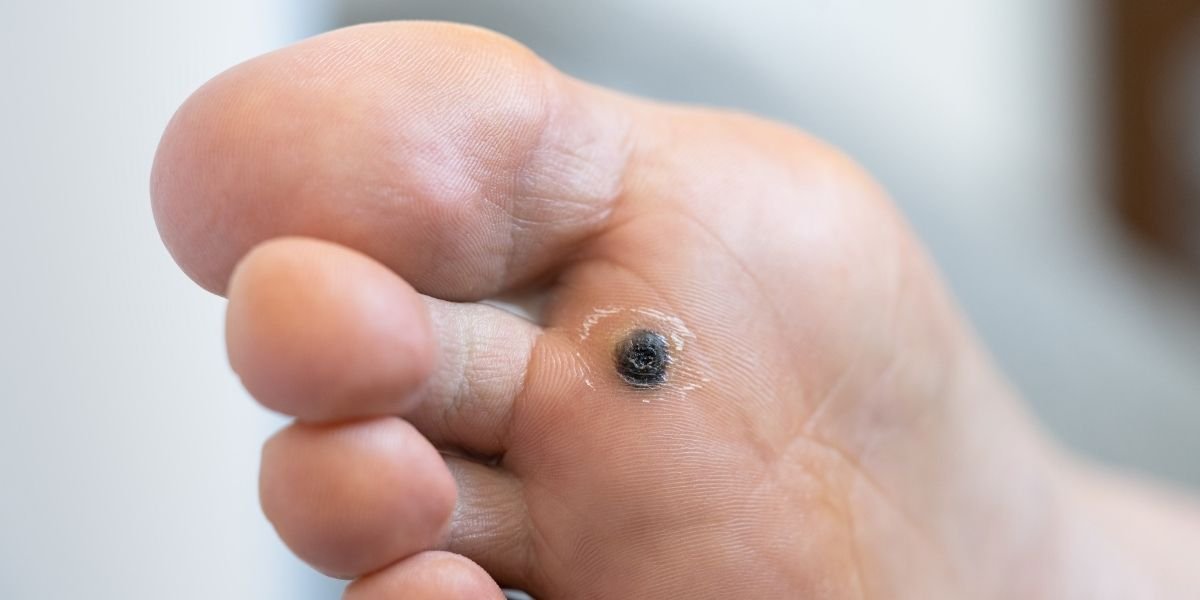
Warts are a common skin concern, and people often try home remedies in hopes of resolving them quickly and conveniently. While some at-home methods may appear simple, they do not always address the issue effectively and may not be appropriate in every case. Professional treatment can provide a more accurate diagnosis and a safer and more targeted approach. Here is what to know about home remedies versus professional treatments for warts:
Trying Home Care
If the warts are small and painless, over-the-counter products are a fundamental starting point. Here are some options:
- Salicylic acid patches: These adhesive pads break down the hard skin layers over several weeks.
- Duct tape occlusion: Covering the area with tape removes dead skin cells and limits oxygen to the tissue.
- Freezing sprays: Over-the-counter cold sprays lower tissue temperature to trigger mild peeling.
These methods take several weeks, and users must apply the products regularly for optimal results.
Understanding Treatment Limits
Over-the-counter liquids contain low concentrations of acid, so they often fail to penetrate deep into the skin. When a person applies these treatments incorrectly, they risk damaging the surrounding healthy skin tissue. Infection also remains a key concern during home care. If you cut or file the warts aggressively with a pumice stone, bacteria may enter the open wound. This improper technique causes severe pain, and it may spread the virus to other areas of the body.
Certain patient groups face much higher risks with home treatment. People with diabetes must avoid self-treatment, as their skin heals very slowly. These individuals require professional medical evaluation to avoid complications.
Exploring Professional Treatments
When home remedies fail to eliminate warts, professional medical intervention is a key step. A podiatrist carefully assesses the skin and tissue, and the doctor selects an appropriate clinical procedure for the patient. Here are some of the professional treatments podiatrists use to treat warts:
- Wart removal preparations: These are liquids that foot specialists prepare for individuals to apply over the warts to kill the infected tissue.
- Cryotherapy with liquid nitrogen: This treatment freezes the bump deeply, destroying the underlying viral cells.
- Surgical removal: The physician numbs the area with a local anesthetic and removes the painful growth entirely.
While recovery times vary based on the procedure, patients achieve high success rates with professional care. Your doctor monitors the healing process closely, and the medical staff provides aftercare instructions.
Choosing the Right Approach
Choosing the right approach requires careful evaluation of your symptoms. Small growths respond well to pharmacy products, but large bumps demand clinical attention from a podiatrist. If the skin lesion bleeds or changes color, you must schedule a visit immediately.
Location plays a key role in this medical decision. When spots develop on the pressure-sensitive areas of the feet, walking becomes very painful. Clinical wart removal provides a more reliable solution, and it relieves the discomfort much sooner than home remedies. You should contemplate your overall health status before starting any treatment. Individuals with chronic health conditions require medical supervision.
Schedule Your Warts Appointment Today
Medical care offers definitive solutions for stubborn skin growths. Over-the-counter options treat mild cases, while professional procedures effectively eliminate deeply rooted viral infections. Contact a qualified podiatrist near you to schedule your warts appointment today.







