


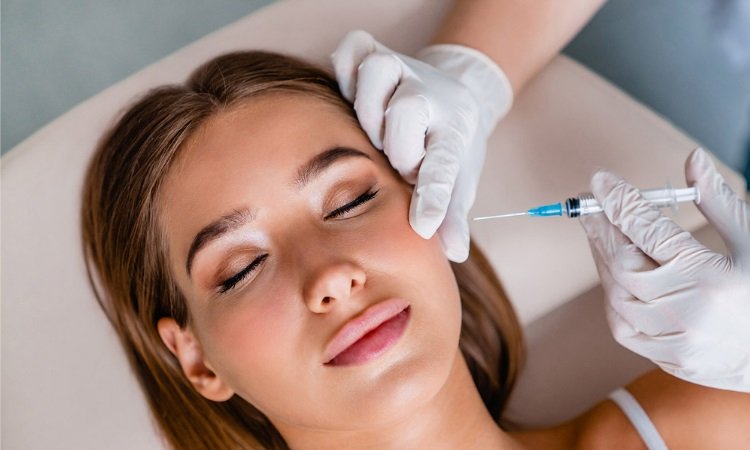
As people age, the structural components of the face undergo significant biological changes. The skin gradually loses its natural elasticity, underlying supportive tissues descend, and fat compartments shift downward. Temporary fillers and skin resurfacing provide mild improvements, but they cannot reposition descended muscle or eliminate excess skin. A facelift offers a definitive approach to correcting these underlying anatomical shifts.
What Is a Facelift?
A facelift is a surgical procedure designed to lift and reposition the underlying structures of the face and neck. Unlike superficial treatments that merely tighten the skin, this operation targets the deeper support systems. These systems include the superficial musculoaponeurotic system, which is commonly referred to as the SMAS layer.
Surgeons utilize different operational techniques based on individual anatomy and specific aging patterns. A deep plane technique releases and elevates the deeper tissue layers as a single unit. This method comprehensively addresses lower facial aging, which smooths marionette lines. The incisions are meticulously placed to blend into natural contours, typically tracing the hairline and the natural folds around the ears.
This procedure may involve redistributing or adding fat to specific regions. The aging process can lead to volume depletion in areas like the cheeks. By transferring small amounts of the patient’s own tissue to these specific zones, a surgeon restores the structural support that naturally diminishes over time. This targeted volume replacement complements the lifting effect and can produce a revitalized structure.
What Should You Expect?
The process begins with a thorough preoperative consultation. During this meeting, a surgeon evaluates your facial anatomy, reviews your medical history, and discusses achievable outcomes. You will receive specific preparation guidelines, which may include obtaining lab work, adjusting medications, and ceasing to smoke to promote proper healing.
The operation takes place in a surgical facility under anesthesia. The surgical team prioritizes patient safety and aims to facilitate comfort throughout the entire event. Depending on the exact techniques used, the surgery takes several hours to complete.
Following the procedure, patients enter a specific recovery timeline. Swelling and bruising typically peak within the first three to four days. During this initial phase, individuals must rest and follow precise postoperative care instructions. These guidelines help mitigate risks and facilitate smooth tissue healing.
By the second week, many people may be able to return to light activities and work. The surgical team usually removes stitches during this window. Over the next four to six weeks, residual swelling gradually subsides. The redefined facial contours become much more visible and allow patients to resume normal exercise routines and strenuous physical activities safely.
What Are the Benefits?
The primary advantage of this operation is the comprehensive restoration of facial harmony. By lifting the deeper structural layers, the procedure smooths the jawline and tightens the neck area. This directly addresses stubborn signs of aging, which non-surgical treatments cannot resolve. Sagging skin and prominent jowls see significant improvement.
By incorporating targeted fat grafting, the surgery also corrects localized volume loss. This may restore a youthful roundness to hollowed cheeks and conceals prominent bone structure. The strategic addition of volume prevents the face from appearing hollow or disproportionate after the lift.
Seek Professional Plastic Surgery Care
Deciding to undergo a cosmetic procedure is a significant choice that requires expert guidance. A highly trained medical team can provide the precise interventions needed to achieve a natural-looking outcome; consulting with a plastic surgeon helps clarify which surgical techniques best suit your specific anatomical needs. These specialists possess rigorous training and refined surgical skills, helping them to execute complex facial surgeries safely.







