


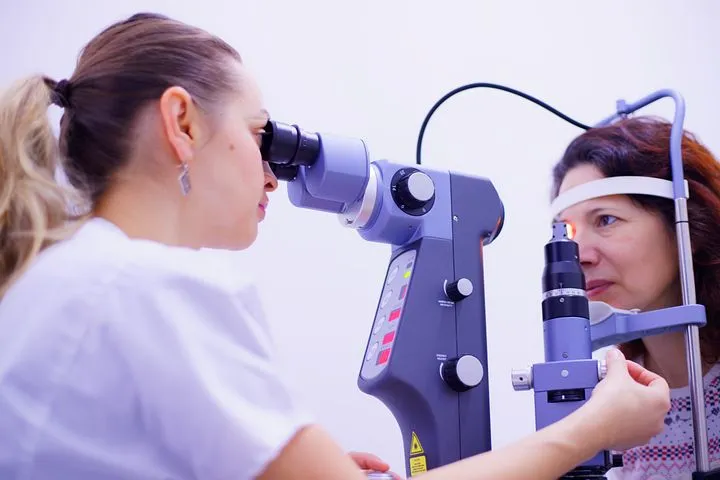
Millions of individuals across the United States live with a condition known as glaucoma, often without experiencing noticeable symptoms during the early stages. Early detection and intervention play a significant role in maintaining overall eye health. Eye surgeons offer various diagnostic and therapeutic approaches to manage the condition and protect your sight. Understanding the underlying mechanisms of this disease helps patients make informed decisions about their care.
What Is Glaucoma?
Glaucoma refers to a diverse group of eye conditions that cause progressive damage to the optic nerve. Medical professionals categorize the disease into several distinct forms based on their specific characteristics. Open-angle glaucoma occurs most frequently among patients. In this variation, fluid does not flow out of the eye’s drainage structure as it should, leading to a gradual increase in pressure. Closed-angle glaucoma involves a sudden physical blockage. The iris pushes forward and narrows the drainage angle, trapping fluid and causing pressure to rise rapidly.
What Causes It?
The primary mechanism behind most types of glaucoma involves an unnatural increase in intraocular pressure. A liquid called aqueous humor constantly circulates throughout the eye to provide necessary nutrients. Under normal circumstances, this liquid drains evenly through an area called the trabecular meshwork. When these drainage pathways become blocked or inefficient, the liquid accumulates faster than it can escape. The resulting pressure presses against the optic nerve fibers at the back of the eye and causes irreversible damage.
While researchers have yet to pinpoint the exact reason these blockages form, they have identified several factors that increase the likelihood of developing the condition. Advancing age remains a primary risk factor. A family history of the disease heavily influences a person’s risk and points to a strong genetic component. Pre-existing medical conditions, such as diabetes and cardiovascular disease, also contribute to higher susceptibility. Depending on the type, patients might experience peripheral blind spots, severe headaches, eye pain, blurred vision, or nausea.
How Is It Treated?
While the disease currently lacks a permanent cure, medical professionals provide numerous advanced options to halt its progression. Eye surgeons focus on lowering intraocular pressure to protect the optic nerve from further damage. Experienced providers can turn to minimally invasive techniques and relieve this pressure safely. Surgeons may place microscopic devices directly into the eye, creating new drainage pathways.
Laser procedures represent another highly effective surgical approach. Techniques like laser trabeculoplasty apply focused light energy to the drainage tissue, which stimulates it to work more efficiently. Other options target the part of the eye that produces the aqueous humor. By reducing the overall production of fluid, the pressure inside the eye drops to a safer level. A specialist will thoroughly evaluate the specific type and severity of the disease before recommending an appropriate surgical intervention to preserve the patient’s vision.
Seek Care From Eye Surgeons
Regular comprehensive eye examinations provide an effective method for detecting optic nerve damage early. Because the disease often develops silently without any early warning signs, routine screenings allow specialists to intervene long before significant vision loss occurs. Following a tailored treatment plan strictly helps manage the condition on a long-term basis. Maintaining consistent check-ups allows eye surgeons to monitor changes in vision and adjust therapies as the eye heals or changes over time.







