


Recovering from a surgical procedure requires time, patience, and a structured rehabilitation plan. While the operation itself addresses the primary medical issue, the healing process dictates the long-term success of the intervention. Patients can experience reduced mobility, localized swelling, and muscular weakness following surgical treatments. Medical professionals routinely prescribe physical therapy as a primary component of a comprehensive post-operative recovery strategy. This structured approach helps patients regain movement and function without placing undue stress on healing tissues.
What Is Physical Therapy?
Physical therapy represents a specialized healthcare discipline focused on diagnosing, treating, and managing movement dysfunctions. It aims to correct functional impairments through targeted physical interventions. A qualified specialist can evaluate the patient’s current physical state and assess parameters such as muscle strength, joint range of motion, and postural alignment. Based on this assessment, the practitioner develops a customized recovery strategy tailored to the individual’s specific surgery and physical capabilities.
The primary objective involves restoring the patient’s mobility while minimizing discomfort. Rather than relying solely on pharmacological pain management, this discipline utilizes biomechanical principles to encourage natural healing. By focusing on the structural integrity of the musculoskeletal system, physical therapy helps patients return to their baseline activity levels safely.
What Does It Involve?
A structured physical rehabilitation program integrates various therapeutic modalities and uses active exercises. The specific techniques utilized depend entirely on the patient’s surgical procedure, current physical condition, and long-term recovery goals. Practitioners continually adjust the program as the patient’s functional abilities improve.
Therapeutic Modalities
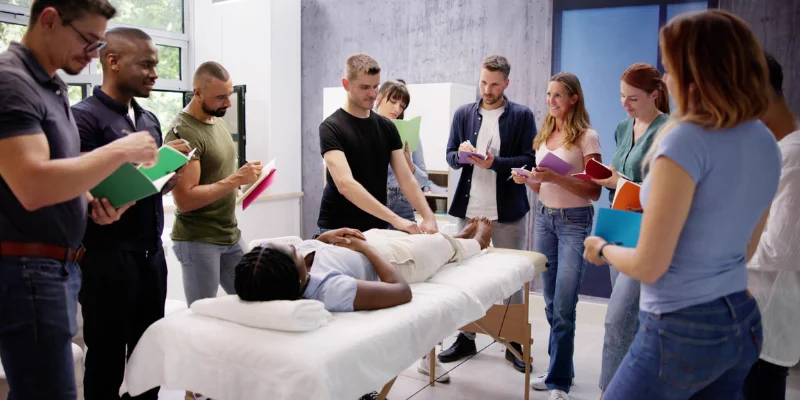
In the initial stages of post-operative recovery, practitioners may apply passive treatments to manage swelling and localized discomfort. These modalities can include thermal applications, such as targeted heat or cold therapy, which help regulate blood flow to the affected area. Manual massage techniques are also employed to relieve muscle tension and promote fluid drainage.
Active Exercise
As healing progresses, the program can transition toward active participation. Specialists guide patients through specific therapeutic exercises that are designed to safely expand their range of motion. These movements target the muscles surrounding the surgical site. This gradually rebuilds strength without jeopardizing the surgical repair.
Functional Retraining
The final phases of rehabilitation may focus on restoring the patient’s ability to perform daily activities. This phase includes balance training and can involve postural correction. Practitioners may teach patients how to modify their movements at home or work, preventing recurring strain or secondary injuries.
What Are the Benefits?
Engaging in a comprehensive rehabilitation program provides several distinct advantages for individuals recovering from surgery. The most immediate benefit is the restoration of normal joint mechanics and the regaining of muscular strength. Through consistent, targeted movement, patients prevent severe joint stiffness. Pain mitigation represents another significant advantage of supervised physical rehabilitation. By addressing the root biomechanical causes of post-surgical pain, therapy helps alleviate discomfort naturally. This approach can reduce a patient’s reliance on prescription pain medications.
Structured rehabilitation actively lowers the risk of post-surgical complications. Guided therapeutic exercise promotes cardiovascular circulation, which supports tissue healing and helps prevent the formation of blood clots. A professionally monitored recovery timeline protects the surgical site from premature stress, facilitating a safer return to routine activities.
Seek Professional Rehabilitation Care
The journey following a surgical procedure demands a professionally guided approach. While independent rest plays a role in the initial healing phase, structured physical rehabilitation offers the framework necessary for complete functional recovery. A dedicated rehabilitation professional can map out a clear, step-by-step strategy and help you restore your mobility, strength, and overall quality of life.







