


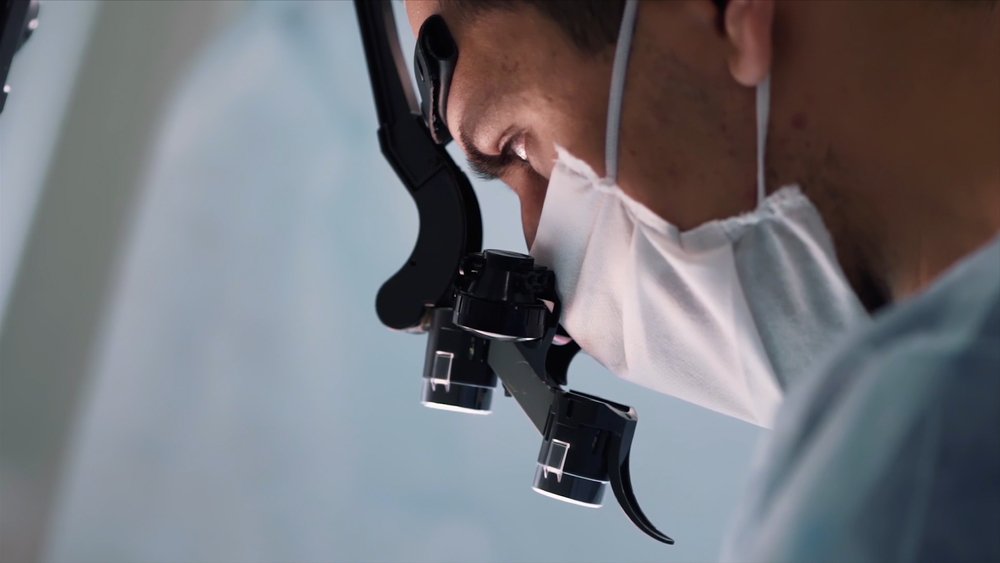
Finding the right cataracts specialist is a fundamental step for patients experiencing vision changes and deliberating on treatment options. A qualified provider can evaluate the severity of the condition, explain whether surgery may be appropriate, and guide patients through the next steps in care. Here is more information on how to find a qualified cataracts specialist in your area:
Choosing the Right Specialist
Eye care involves different types of medical professionals. Before you book an appointment, make sure you understand the roles of various eye doctors. Here are key eye doctors and what they do:
- Optometrist: These professionals perform routine eye exams and prescribe corrective lenses.
- Ophthalmologist: These medical doctors diagnose severe eye diseases and perform complex procedures.
- Cataracts Specialist: This specific ophthalmologist has extensive training in treating lens clouding and implanting artificial intraocular lenses.
A cataracts specialist provides the highest level of care for this condition. If you start with an optometrist, they may refer you to a specialized surgeon.
Reviewing Experience and Credentials
Medical credentials provide significant details about a provider’s competence. Board certification indicates rigorous training, and it shows a commitment to medical standards. Experience also plays a fundamental role in surgical outcomes. As you interview potential surgeons, ask about their specific complication rates. Some doctors perform thousands of procedures, so they handle complex cases efficiently. High surgical volume generally correlates with smoother operations and faster recovery times.
Advanced technology improves the safety of eye operations. Some clinics use a femtosecond laser to precisely break up clouded lenses. Phacoemulsification uses sound waves to clear the eye, and modern clinics offer this standard option. This technology reduces trauma to the surrounding delicate tissues. While older methods required larger incisions, contemporary approaches promote rapid healing.
Comparing Practical Factors
Logistics often influence your overall experience with a surgical center. Even if a cataracts specialist has excellent skills, a distant clinic can create travel challenges. Here are key practical factors to evaluate:
- Location: Find a clinic near your home to simplify transportation on surgery day.
- Insurance: Verify your insurance coverage before committing to any treatment.
- Office Hours: Review the facility’s schedule to confirm it offers convenient appointment times.
These practical elements require careful attention during your search.
Booking an Evaluation
Timing matters when dealing with progressive eye conditions. If you notice increased glare while driving at night, you should schedule a consultation. Colors may start to look faded, or you may struggle to read normal text. These subtle changes indicate that the lens is losing its natural transparency. A cataracts specialist can measure the exact density of the protein buildup during a comprehensive exam.
Early diagnosis gives you more time to explore treatment options. Although these issues grow slowly, sudden vision changes require immediate medical attention. The doctor will map the density of the clouded lens, and they will discuss potential surgery dates. Waiting too long can make the physical lens more difficult to remove.
Talk to a Cataracts Specialist
Cataracts can severely impact daily life, making early detection and treatment key. Regular vision testing and proactive consultation with a specialist are key to maintaining independence and preserving quality of life. Using advanced, diagnostic techniques, specialists are able to create a personalized plan to address unique patient needs. Contact a qualified cataracts specialist near you to schedule your consultation today.







