


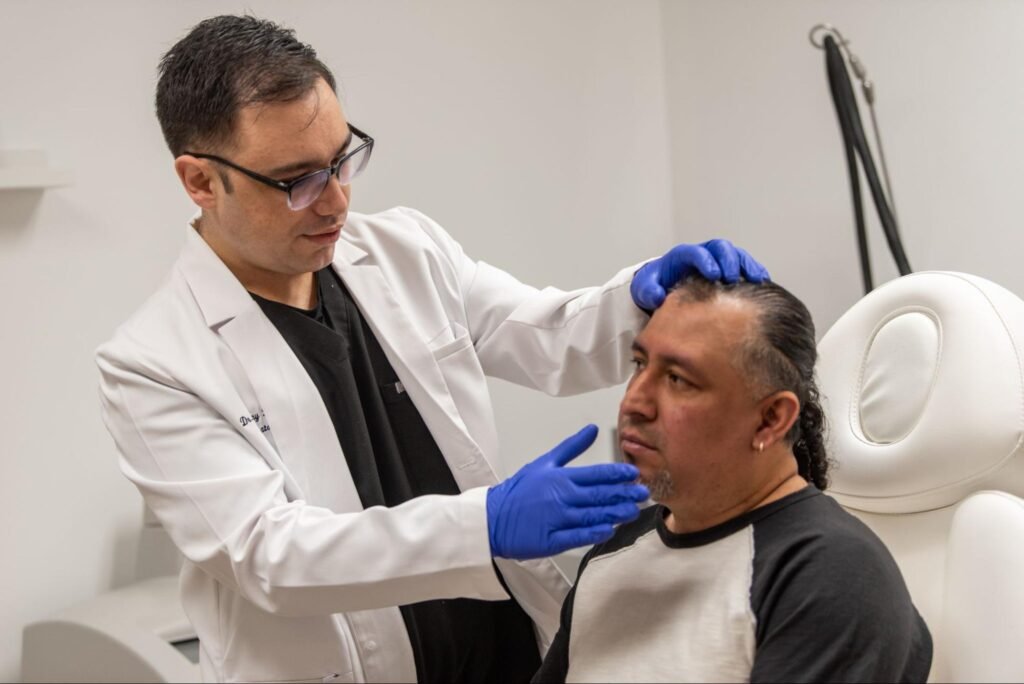
Preparing for your dermatology visit requires careful planning. You need skin care, and this appointment sets the stage. When you arrive prepared, your treatment plan becomes clear.
Documents to Bring
Medical records inform your team, and they help your doctor review your case efficiently. Since everyone is different, the details matter. Organizing these records supports risk assessment and coordinated care.
- Bring past biopsy results and pathology reports, including any findings about skin cancer or abnormal cells.
- Provide surgical notes or records from previous procedures, such as cyst removal or Mohs surgery.
- List all your current medications and supplements, including prescription, over-the-counter, and herbal products.
- Discuss any allergies, especially for reactions to antibiotics or anesthetics.
- Send or print diagnostic photos or scans of any skin growths or areas you are monitoring if asked to.
Questions to Ask
A written list organizes your thoughts. Dermatology has many lanes, so a list keeps the discussion focused. While you discuss moles or skin tags, you might forget details. Your notes help you remember points, and they keep the conversation on track. Write down queries about recovery times, restrictions on daily activities, and wound care instructions. You might ask how long to avoid exercise. These questions help you plan your schedule. You could also ask what warning signs of skin issues to watch for, or ask if any follow-up visits are required.
Ask whether you will need someone to drive you home after your desired treatment. Asking about the process and aftercare instructions gives you a realistic sense of what to expect. Bring up your past experiences with previous skin issues. Also mention allergies to medications, or symptoms that you have had recently. This information is useful to your doctor. It contributes to a transparent conversation, and it helps them tailor your care. Write down questions about pain management and other concerns as well. Prepare and ask thorough questions, so you make informed choices. This helps you participate actively in your own care.
Preparations to Make
Proper attire could help simplify your physical examination. Loose, comfortable clothing allows the doctor to access the area to be examined. If your procedure involves your legs or arms, wearing shorts or short sleeves makes it easier for the clinician to examine your skin growths, moles, or suspected precancers. Avoid tight or restrictive garments, and allow a thorough evaluation of your skin. If you need to remove certain items, wear outfits that are easy to put on and take off. Wearing layers helps you stay comfortable. Clean your skin before the visit, and avoid using lotions, creams, or makeup on the area to be evaluated. These steps may make it easier for your dermatology specialist to see your skin’s actual condition.
Schedule Your Dermatology Consultation
Proper preparation helps your skin. You have the necessary steps, so you must put them into practice. After you gather your medical records, you should call the clinic. Book your dermatologist appointment today. Your skin health matters, and they are ready to assist you. When you take proactive steps, you protect your health.







