


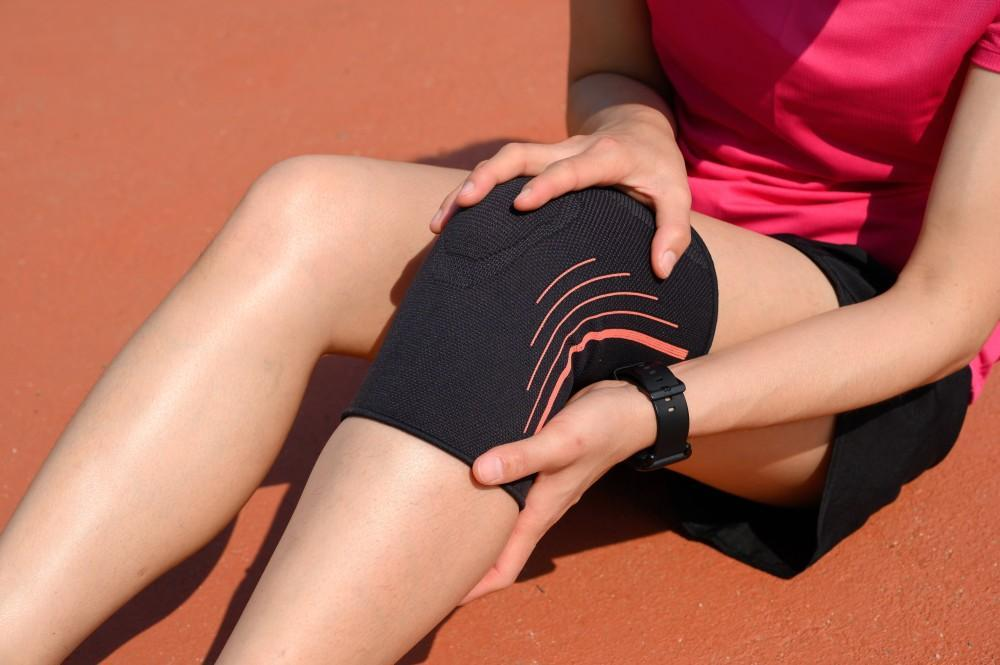
Knee injuries are one of the most common problems people face during physical activity. Whether you’re a beginner at exercising or a seasoned athlete, your knees take a lot of stress from running, jumping, squatting, or lifting weights. Preventing knee injuries is crucial to stay active, avoid long-term pain, and improve your overall performance.
In this guide, we will explore practical, beginner-friendly tips to protect your knees during exercise and keep them strong and healthy.
Why Knee Injuries Happen During Exercise
Your knee is a complex joint made up of bones, ligaments, tendons, and cartilage. While it’s strong, it’s also vulnerable to injuries if exposed to:
- Overuse or repetitive stress
- Incorrect exercise techniques
- Sudden twists, jumps, or heavy impact
- Weak muscles around the knee
- Lack of proper warm-up or stretching
Common knee injuries include sprains, strains, tendonitis, meniscus tears, and patellar pain. Knowing how these injuries happen can help you prevent them.
1. Warm Up Properly Before Exercise
Warming up increases blood flow to your muscles, improves flexibility, and prepares your joints for movement. A proper warm-up reduces the risk of knee injuries significantly.
Warm-Up Tips:
- 5-10 minutes of light cardio (walking, jogging, or cycling)
- Dynamic stretches like leg swings, lunges, and knee lifts
- Focus on activating muscles around your hips, thighs, and calves
Tip: Never skip a warm-up, even for short workouts. Your knees need preparation before intense activity.
2. Strengthen Your Leg Muscles
Strong muscles around your knees, such as the quadriceps, hamstrings, and calves, support your joints and reduce stress on ligaments. Weak muscles make your knees more prone to injuries.
Exercises for Knee Strength:
- Squats (proper form, no excessive weight)
- Lunges and step-ups
- Hamstring curls (machine or stability ball)
- Calf raises
Tip: Focus on proper form and gradual progression. Avoid lifting too heavy too soon, as it can strain your knees.
3. Use Proper Exercise Techniques
Incorrect form is one of the main causes of knee injuries. Even simple movements like squats or jumps can harm your knees if done wrong.
Technique Tips:
- Keep your knees aligned with your toes during squats and lunges
- Avoid letting your knees collapse inward
- Land softly on your feet during jumping exercises
- Maintain a slight bend in the knees when running downhill
Tip: If you’re unsure about your form, ask a trainer or watch tutorial videos. Proper technique is more important than lifting heavy or doing more reps.
4. Wear Appropriate Shoes
Your footwear plays a big role in protecting your knees. Worn-out or improper shoes can increase the risk of injuries by affecting your balance, alignment, and impact absorption.
Shoe Tips:
- Choose shoes designed for your specific activity (running, weightlifting, or aerobics)
- Replace shoes every 300-500 miles if you run
- Ensure proper arch support and cushioning
Tip: Avoid using worn-out sneakers as they can increase stress on your knees and other joints.
5. Gradually Increase Intensity
Sudden increases in workout intensity, duration, or frequency can overload your knees and cause injuries. Gradual progression allows your muscles, tendons, and ligaments to adapt.
Tips for Gradual Progression:
- Increase weights, reps, or distance by no more than 10% per week
- Mix high-impact exercises with low-impact options like swimming or cycling
- Include rest days to allow recovery
Tip: Listen to your body. If your knees feel sore or fatigued, take a break. Recovery is part of prevention.
6. Stretch and Improve Flexibility
Flexible muscles and tendons reduce tension around the knee joint. Stretching after exercise helps maintain joint mobility and prevents stiffness.
Effective Stretches:
- Quadriceps stretch (pull heel toward glutes while standing)
- Hamstring stretch (seated or standing)
- Calf stretch against a wall
- IT band stretch (cross one leg over the other while leaning)
Tip: Hold each stretch for 20-30 seconds and avoid bouncing. Stretching should feel gentle, not painful.
7. Consider Knee Support
For people with weak knees or a history of injuries, supportive gear can help. Braces, compression sleeves, or athletic tape can provide extra stability during exercise.
Tip: Knee support is not a substitute for proper training but can reduce strain during high-impact or repetitive activities.
8. Avoid High-Risk Movements
Certain movements or exercises put more strain on the knees, especially if done incorrectly. Be cautious with:
- Deep squats with heavy weights
- Jumping or pivoting on hard surfaces
- High-impact aerobics without proper cushioning
Tip: Modify exercises to reduce stress. For example, perform shallow squats or use softer surfaces for jumping.
9. Listen to Your Body
Your body sends signals when something isn’t right. Pain, swelling, or discomfort in the knees is a warning sign. Ignoring it can worsen injuries.
Tips:
- Stop exercising if you feel sharp pain
- Apply ice and rest if your knees are sore
- Consult a doctor or physiotherapist for persistent pain
Tip: Prevention is easier than treatment. Don’t push through knee pain.
10. Maintain a Healthy Weight
Excess body weight increases stress on your knees during exercise. Maintaining a healthy weight reduces pressure on your joints and lowers the risk of injury.
Tips:
- Combine regular exercise with a balanced diet
- Include strength training and low-impact cardio
- Stay consistent for long-term joint health
Tip: Even a small reduction in weight can significantly reduce knee stress.
5 FAQs About Preventing Knee Injuries
1. Can running cause knee injuries?
Yes, especially if you increase distance or intensity too quickly, wear improper shoes, or run on hard surfaces. Proper warm-up, shoes, and gradual progression help prevent injuries.
2. Are knee braces necessary for everyone?
No. Knee braces are mainly for people with weak knees, previous injuries, or high-impact exercises. Strengthening muscles and proper technique are more important.
3. How can I reduce knee pain after exercise?
Apply ice for 15-20 minutes, rest, elevate your legs, and perform gentle stretching. Over-the-counter pain relief may help, but consult a doctor if pain persists.
4. What exercises are safe for knee health?
Low-impact exercises like swimming, cycling, or walking are gentle on knees. Strengthening exercises for quadriceps, hamstrings, and calves also protect the joint.
5. How often should I strengthen knee muscles?
Strengthening exercises 2-3 times per week are effective. Focus on proper form and gradual progression rather than intensity.
Final Thoughts
Preventing knee injuries during exercise is about preparation, strength, and awareness. A proper warm-up, strong leg muscles, correct technique, supportive footwear, and gradual progression are key steps. By listening to your body, stretching regularly, and maintaining a healthy lifestyle, you can enjoy your workouts without knee pain or setbacks.
Strong knees are the foundation of safe and effective exercise. With patience, consistency, and these beginner-friendly tips, you can protect your knees and stay active for years to come.







