


Sports injuries are a common challenge for athletes and active individuals. They can range from mild strains and sprains to more serious injuries like ligament tears or fractures. While severe injuries require medical attention, many minor injuries can be treated and managed safely at home.
In this article, we’ll explore effective home strategies for sports injury recovery, helping you reduce pain, regain mobility, and return to activity safely.
Understanding Sports Injuries
Sports injuries happen when the body experiences stress beyond its capacity, causing damage to muscles, ligaments, tendons, or bones. Common types include:
- Sprains: Stretching or tearing of ligaments
- Strains: Overstretching or tearing of muscles or tendons
- Bruises: Damage to small blood vessels under the skin
- Tendonitis: Inflammation of tendons from overuse
- Fractures: Broken bones (usually require professional care)
Knowing the type of injury helps in determining the best recovery approach.
1. Rest and Protect the Injured Area
The first step in recovery is resting the affected area. Continuing to stress the injury can worsen damage and delay healing.
Tips for Resting:
- Avoid activities that caused the injury
- Use supportive braces or wraps if needed
- Elevate the injured limb to reduce swelling
- Limit movement for 24-72 hours depending on severity
Tip: “Rest” does not mean complete inactivity for all injuries. Gentle movement, as advised by a professional, can prevent stiffness.
2. Apply Ice Therapy
Ice therapy, or cryotherapy, is effective for reducing pain, inflammation, and swelling in the first 48 hours after injury.
How to Use Ice Safely:
- Apply an ice pack or frozen vegetables wrapped in a cloth
- Apply for 15-20 minutes every 2-3 hours
- Avoid placing ice directly on the skin to prevent frostbite
Tip: Ice is most effective in the early stages of injury, especially for sprains, strains, and bruises.
3. Use Heat Therapy Appropriately
Heat therapy is beneficial after the initial swelling has reduced. It helps relax muscles, improve blood flow, and reduce stiffness.
How to Use Heat:
- Apply a warm compress or heating pad to the area
- Use for 15-20 minutes at a time
- Avoid heat on swollen or bruised areas in the first 48 hours
Tip: Alternating between ice and heat can be effective once the acute phase has passed.
4. Elevate and Compress
Elevating the injured area above heart level and using compression helps reduce swelling and support healing.
How to Elevate and Compress:
- Raise the injured limb using pillows or cushions
- Use elastic bandages or wraps for compression
- Avoid wrapping too tightly to prevent circulation problems
Tip: Proper compression and elevation are especially useful for ankle, knee, or wrist injuries.
5. Gentle Stretching and Mobility Exercises
Once pain and swelling decrease, gentle stretching and mobility exercises prevent stiffness and promote faster recovery.
Tips for Safe Exercise:
- Start with range-of-motion exercises
- Gradually introduce light strengthening movements
- Avoid pushing through pain
- Focus on injured and surrounding muscles to restore balance
Tip: Even mild stretching improves blood flow and reduces scar tissue formation.
6. Stay Hydrated and Eat a Balanced Diet
Nutrition plays a vital role in healing tissues and reducing recovery time. Proper hydration supports joint function, and nutrient-rich foods help repair muscles and ligaments.
Foods That Aid Recovery:
- Protein-rich foods (chicken, fish, eggs, beans) for tissue repair
- Omega-3 fatty acids (salmon, walnuts) to reduce inflammation
- Fruits and vegetables rich in vitamins C and E for collagen and healing
- Whole grains for sustained energy
Tip: Avoid excessive sugar and processed foods, which can increase inflammation.
7. Over-the-Counter Pain Relief
Over-the-counter medications like acetaminophen or ibuprofen can help manage pain and reduce inflammation.
Tips for Safe Use:
- Follow dosage instructions carefully
- Avoid long-term use without consulting a healthcare professional
- Combine medication with rest, ice, and gentle movement for best results
Tip: Medications help manage discomfort but are not a substitute for proper healing.
8. Listen to Your Body
One of the most important parts of recovery is paying attention to pain signals. Ignoring discomfort can lead to reinjury or chronic problems.
Tips for Listening to Your Body:
- Stop exercises that cause sharp or worsening pain
- Rest if fatigue or swelling returns
- Gradually increase activity intensity only when pain-free
Tip: Recovery is a process, not a race. Patience ensures safe return to activity.
9. Use Supportive Gear
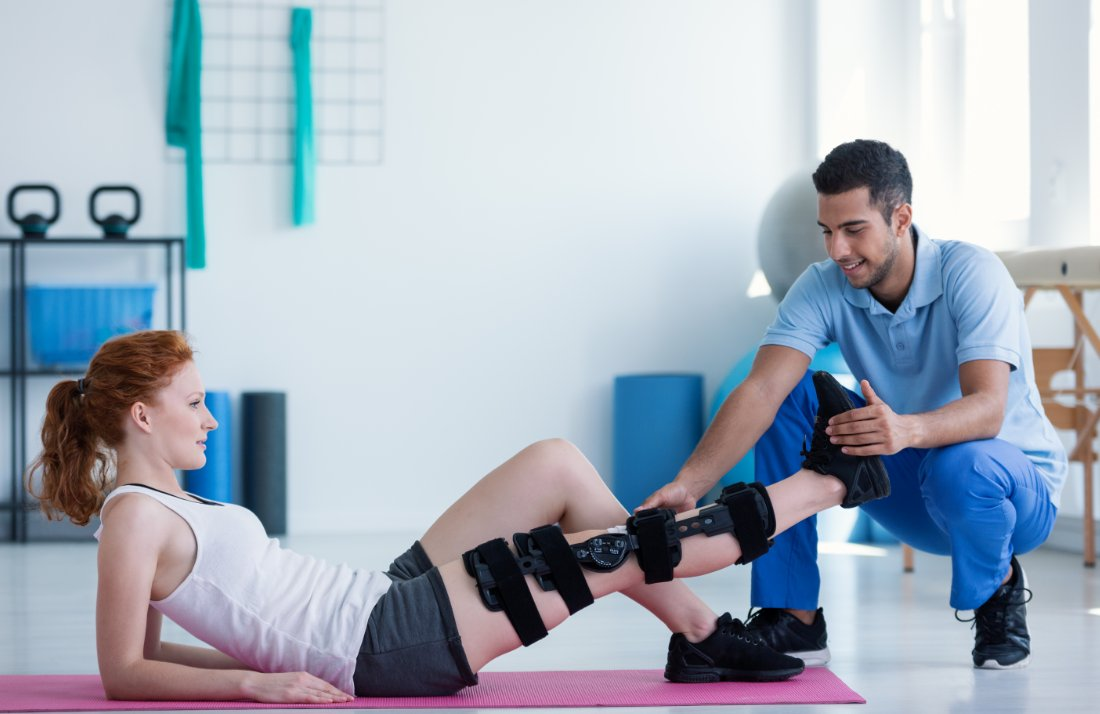
Braces, wraps, or tape can stabilize joints and reduce stress during recovery. Proper support allows movement while protecting the injured area.
Tips:
- Use braces recommended for the specific injury
- Avoid over-tightening, which can reduce blood flow
- Remove support gradually as strength and mobility improve
Tip: Supportive gear is especially useful for ankle sprains, knee injuries, and wrist strains.
10. Know When to Seek Medical Help
While many minor injuries heal at home, certain signs require professional evaluation:
- Severe or worsening pain
- Inability to move the joint or bear weight
- Numbness or tingling
- Visible deformity or suspected fracture
- Swelling that does not improve after a few days
Tip: Early professional intervention can prevent complications and speed up recovery.
5 FAQs About Recovering from Sports Injuries at Home
1. How long does it take to recover from a minor sports injury?
Recovery time varies, but mild sprains or strains typically improve within 1-3 weeks with proper care.
2. Can I continue exercising with a minor injury?
Light, pain-free movements and gentle stretching are usually safe. Avoid activities that worsen pain or swelling.
3. When should I see a doctor for a sports injury?
Seek medical attention if there is severe pain, swelling, loss of function, or suspicion of a fracture.
4. Are ice and heat therapy equally effective?
Ice is best during the first 48 hours to reduce swelling, while heat helps relax muscles and improve blood flow after the acute phase.
5. Can nutrition speed up healing?
Yes. Protein, vitamins, omega-3 fatty acids, and hydration support tissue repair and reduce inflammation.
Final Thoughts
Recovering from sports injuries at home is possible with rest, ice, gentle movement, proper nutrition, and supportive care. Listening to your body, avoiding reinjury, and progressing gradually are key to safe recovery.
By following these simple, beginner-friendly strategies, you can reduce pain, restore mobility, and get back to your favorite sports confidently. Remember, patience and consistency are essential—healing takes time, but the right approach ensures long-term joint and muscle health.







