


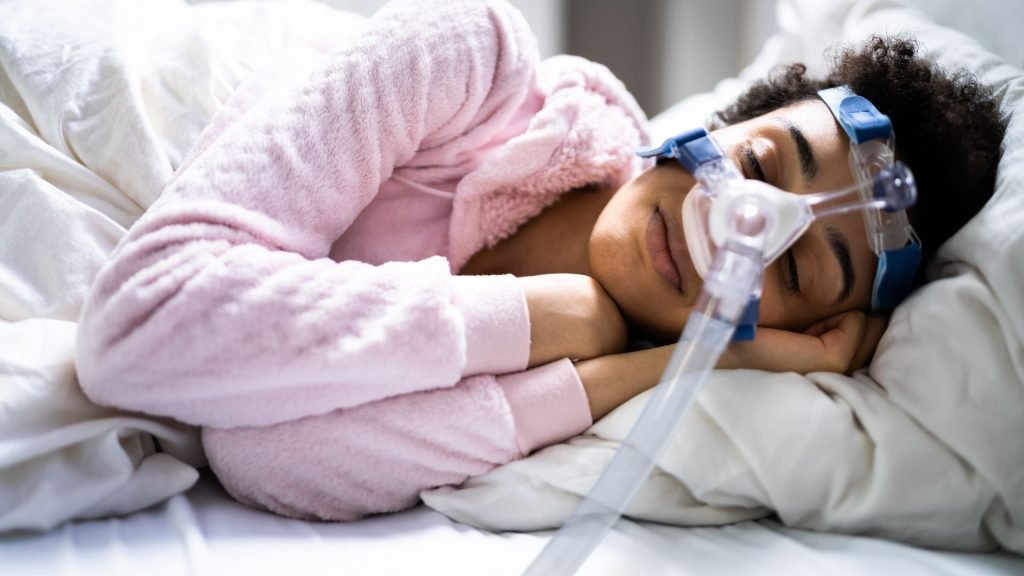
Sleep is a period when the body restores itself and prepares for the day ahead. For some people, this process is interrupted by a condition that affects breathing during rest. Sleep apnea is one such disorder, and it is more common than some may realize. Recognizing how it works and what it can look like helps individuals make informed decisions about their health.
What Is Sleep Apnea?
Sleep apnea is a disorder in which a person’s breathing repeatedly stops and starts while they sleep. These pauses can last for several seconds, and they occur repeatedly throughout the night. Because they happen during sleep, the affected person may be unaware of them. There are a few recognized forms of the condition.
Obstructive sleep apnea occurs when the muscles at the back of the throat relax, blocking the airway. Central sleep apnea relates to how the brain sends signals to the muscles that control breathing. A third form involves features of both types. Each form has its own underlying mechanism, but the result is similar: interrupted breathing that disrupts restful sleep. The condition can affect people of various ages. Factors that may be linked to a higher likelihood of the obstructive type include excess weight, the structure of the airway, enlarged tonsils, and certain family patterns.
How Is It Detected?
Many signs of sleep apnea appear during sleep, and this is part of why the condition can go unnoticed for some time. A partner or family member may be the first to observe certain patterns. Common indicators reported in connection with the condition vary, including:
- Snoring that occurs on a regular basis
- Episodes in which breathing appears to stop
- Gasping or choking sounds during sleep
- Waking with a dry mouth or sore throat
- Difficulty staying asleep through the night
Some signs are noticeable during waking hours as well. A person may feel tired during the day, even after a full night in bed. Trouble concentrating, headaches in the morning, and changes in mood are sometimes associated with disrupted sleep. Signs can differ in children, and this includes behavioral changes, bedwetting, or difficulty at school.
These signs do not confirm the presence of this condition on their own, since other conditions may produce similar symptoms. A qualified professional can review the full picture, and they will recommend an appropriate evaluation. This may involve a sleep study.
How Is It Treated?
Treatment for sleep apnea depends on the form of the condition, its severity, and the needs of the individual. For many people with the obstructive type, a continuous positive airway pressure device, often shortened to CPAP, is a frequently recommended option. Oral appliances offer another route for certain patients. These custom-fitted devices are worn in the mouth, and they are designed to reposition the jaw or tongue to keep the airway clear. A dentist with training in this area often provides them. Lifestyle adjustments can form part of a broader plan. Maintaining a healthy weight, adjusting sleep position, and limiting substances that relax the throat muscles are among the changes a professional might discuss.
Speak Further With a Professional
Understanding sleep apnea is a helpful first step, but each person’s situation is unique. A diagnosis depends on a proper assessment carried out by a provider who may interpret signs accurately and suggest a suitable path forward. A medical or dental professional can answer questions, as well as explain the evaluation process and outline the options available. Open conversation about your sleep patterns and health history allows them to offer guidance suited to your circumstances.







