


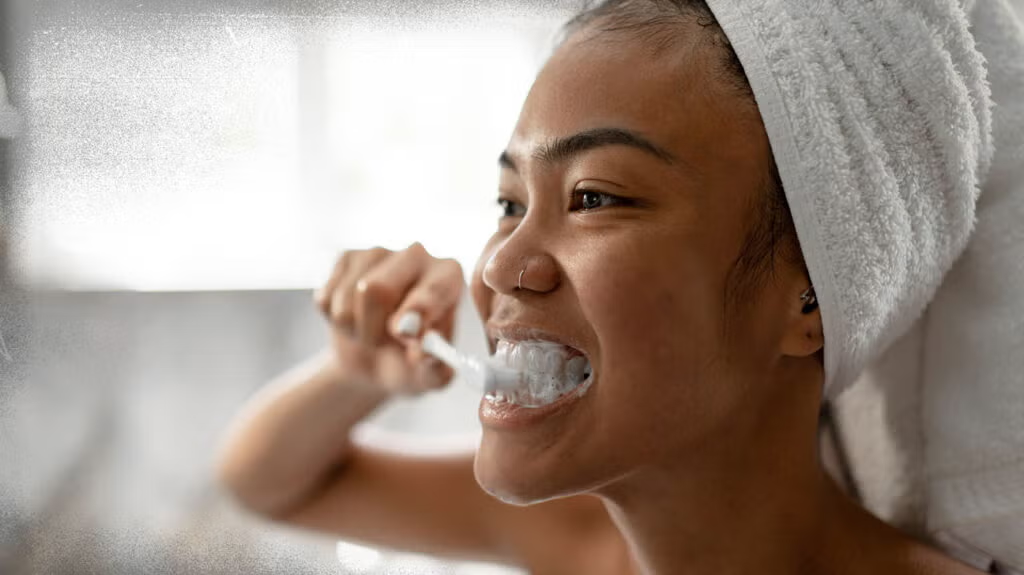
A bright, white smile is often associated with confidence, health, and beauty. While professional dental whitening is effective, it can be expensive or inconvenient for some people. Fortunately, there are safe and effective ways to whiten teeth at home using natural methods and proper dental care.
In this article, we will explore safe, beginner-friendly ways to whiten teeth at home, explain how they work, and provide tips for maintaining a healthy, radiant smile.
Why Teeth Become Stained
Before diving into whitening methods, it’s helpful to understand why teeth lose their natural whiteness. Tooth discoloration can happen due to:
- Food and Drinks: Coffee, tea, red wine, and cola can stain teeth over time.
- Tobacco Use: Smoking or chewing tobacco leads to yellowing.
- Poor Oral Hygiene: Plaque and tartar buildup make teeth look dull.
- Aging: Enamel wears down, revealing the yellowish dentin underneath.
- Medication: Certain medications, like antibiotics in childhood, can affect tooth color.
Knowing the cause of discoloration helps you choose the most effective whitening method.
1. Maintain Proper Oral Hygiene
The foundation of a bright smile is good oral care. Brushing and flossing regularly removes surface stains and prevents yellowing.
Tips for Effective Oral Hygiene:
- Brush your teeth at least twice a day using a soft-bristled toothbrush
- Floss daily to remove plaque between teeth
- Use a fluoride toothpaste to strengthen enamel
- Rinse your mouth with water after meals to reduce staining
Tip: Proper oral hygiene not only keeps teeth white but also prevents cavities and gum problems.
2. Use Whitening Toothpaste
Whitening toothpastes contain mild abrasives or chemical agents that help remove surface stains. They are safe for daily use if used as directed.
Tips for Choosing Whitening Toothpaste:
- Look for products approved by dental associations
- Avoid toothpaste with harsh chemicals that may erode enamel
- Use toothpaste with polishing agents or low-concentration peroxide for gentle whitening
Tip: Whitening toothpaste works gradually and is more effective for surface stains rather than deep discoloration.
3. Try Baking Soda Occasionally
Baking soda is a natural mild abrasive that helps remove stains from teeth, restoring their natural color.
How to Use Baking Soda:
- Mix a small amount of baking soda with water to make a paste
- Brush gently for 1-2 minutes, 1-2 times per week
- Rinse thoroughly after brushing
Tip: Avoid using baking soda daily, as excessive use can erode enamel and make teeth sensitive.
4. Hydrogen Peroxide for Whitening
Hydrogen peroxide is a common ingredient in teeth whitening products and can be used safely in low concentrations at home.
Safe Usage:
- Dilute 3% hydrogen peroxide with equal parts water
- Swish the solution in your mouth for 30 seconds, then rinse
- Alternatively, mix a small amount with baking soda to create a whitening paste
Tip: Do not swallow hydrogen peroxide, and limit use to a few times a week to prevent irritation.
5. Use Natural Stain Removers
Certain natural foods can help brighten your teeth:
- Strawberries: Contain malic acid, which helps remove surface stains
- Pineapple: Contains bromelain, a natural enzyme that can help clean teeth
- Apple Cider Vinegar (ACV): Can whiten teeth if used sparingly and diluted
Tip: Use natural remedies cautiously. ACV is acidic and can erode enamel if overused. Always rinse your mouth with water afterward.
6. Avoid Staining Foods and Habits
Preventing stains is just as important as removing them. Certain habits contribute to yellowing teeth.
Tips to Prevent Stains:
- Limit coffee, tea, red wine, and cola consumption
- Use a straw when drinking staining beverages
- Quit smoking or using tobacco products
- Rinse your mouth after consuming pigmented foods or drinks
Tip: Small lifestyle changes can significantly improve your teeth’s appearance over time.
7. Oil Pulling for Teeth Whitening
Oil pulling is an ancient practice that may help remove plaque and improve oral hygiene.
How to Do Oil Pulling:
- Take 1 tablespoon of coconut, sesame, or sunflower oil
- Swish it around your mouth for 10-15 minutes
- Spit out the oil and rinse with warm water
- Brush your teeth afterward
Tip: While oil pulling may help with oral health and surface stains, it should not replace regular brushing and flossing.
8. Over-the-Counter Whitening Strips or Gels
Many over-the-counter whitening products are safe and effective for home use. These products usually contain low concentrations of peroxide and can gradually whiten teeth.
Tips for Using Whitening Strips or Gels:
- Follow the instructions carefully
- Avoid overuse, as excessive whitening can cause sensitivity
- Combine with proper oral hygiene for best results
Tip: Whitening strips are effective for mild to moderate surface stains and can be used every few months for maintenance.
9. Maintain a Healthy Lifestyle for Teeth
Overall health affects your teeth and enamel. Maintaining a healthy lifestyle supports long-term dental whitening.
Healthy Habits Include:
- Eating a balanced diet rich in fruits and vegetables
- Drinking plenty of water to wash away food particles
- Limiting sugar intake to prevent decay
- Regular dental check-ups and professional cleanings
Tip: Healthy teeth naturally appear whiter and more vibrant.
10. When to See a Dentist
If home remedies do not work or your teeth are extremely discolored, a dentist can provide professional whitening options:
- In-office bleaching treatments
- Custom-made whitening trays
- Veneers or crowns for severe discoloration
Tip: Always consult a dentist before starting any whitening regimen, especially if you have sensitive teeth, dental restorations, or gum issues.
5 FAQs About Teeth Whitening at Home
1. Can teeth whitening damage enamel?
When used properly, home whitening methods are safe. Overuse of abrasive agents like baking soda or strong peroxide can weaken enamel and cause sensitivity.
2. How long does it take to see results?
Results vary depending on the method and severity of stains. Whitening toothpaste may take a few weeks, while strips or gels show results in 1-2 weeks.
3. Are natural remedies effective?
Natural remedies like strawberries, baking soda, or oil pulling can remove mild surface stains but are less effective for deep discoloration.
4. Can whitening toothpaste make teeth sensitive?
Some whitening toothpastes may cause temporary sensitivity. Using a toothpaste for sensitive teeth and following instructions can minimize discomfort.
5. How often should I whiten my teeth at home?
Moderation is key. Whitening 1-2 times per week with home remedies or strips is usually sufficient. Overuse can damage enamel and gums.
Final Thoughts
Whitening teeth safely at home is achievable with a combination of good oral hygiene, natural remedies, and safe over-the-counter products. Understanding the causes of discoloration, preventing stains, and using whitening methods responsibly can help you maintain a bright, confident smile.
Remember, consistency and caution are more important than speed. By following these beginner-friendly tips, you can whiten your teeth safely, improve oral health, and enjoy a radiant smile every day.







