


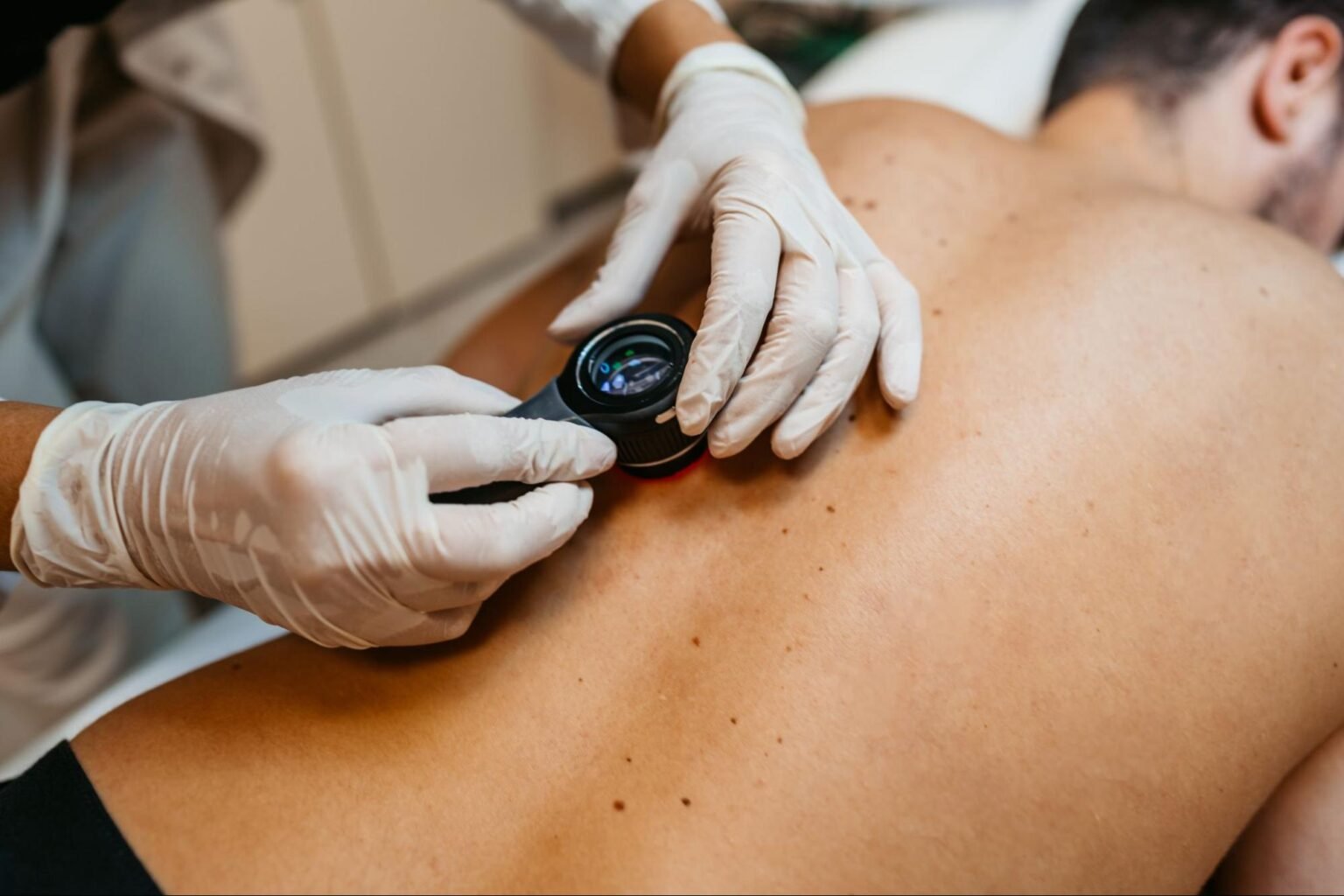
Skin cancer is a common condition that requires careful medical evaluation. A thorough understanding of the disease helps patients navigate their diagnosis. Medical professionals provide clinical insights into the development of abnormal skin cells, and they offer guidance on available treatment protocols. Here is more information on skin cancer from Mohs surgeons:
What Is Skin Cancer?
Skin cancer occurs when errors form in the DNA of skin cells, causing the cells to grow out of control. This uncontrolled growth forms a mass of cancer cells. Mohs surgeons specialize in treating these specific types of cellular growths. They use precise surgical techniques to remove the affected tissue, and they analyze the margins to verify complete removal.
What Causes It?
Ultraviolet radiation from the sun is the primary cause of skin cancer, and tanning beds also contribute to ultraviolet exposure. This radiation damages the genetic material within skin cells. The damage accumulates over several years, potentially leading to the formation of cancerous lesions. Individuals with lighter skin tones face a higher risk, but the condition develops in all skin types.
Individuals with a family history of the disease face an elevated risk, and this genetic predisposition requires regular medical monitoring. A weakened immune system makes the body more susceptible to the disease. Exposure to certain environmental toxins increases the likelihood of cellular mutations, which doctors assess during clinical evaluations.
What Are the Different Types?
Basal cell carcinoma is the most common form of the disease, and it typically develops on sun-exposed areas like the face and neck. Squamous cell carcinoma may occur on sun-damaged skin. Melanoma is a less common form of the disease, but it presents a higher risk of spreading to other parts of the body. Merkel cell carcinoma is a rare form of the condition that often appears as a shiny nodule on the skin.
What Are the Symptoms?
Skin cancer symptoms vary depending on the specific type of the disease. Basal cell carcinomas may appear as pearly or waxy bumps, and they sometimes resemble flat, flesh-colored lesions. Squamous cell carcinomas present as firm, red nodules or flat lesions with a scaly surface. Melanomas typically appear as large brownish spots with darker speckles and can develop from existing moles.
How Can Mohs Surgeons Help?
Mohs surgeons treat skin cancer using a highly precise surgical method. They remove the visible tumor along with a thin layer of surrounding tissue. The surgeon examines this tissue under a microscope, and they check for any remaining cancer cells. If cancer cells remain, the surgeon removes another layer of tissue from that area and repeats the process until the margins are clear.
This methodical approach maximizes the preservation of healthy tissue, and it provides a high cure rate for specific skin cancers. The technique is particularly beneficial for cancers located on the face, head, or neck. It minimizes functional and cosmetic defects in these delicate areas. Patients receive the tumor removal and the reconstructive surgery on the same day, and this streamlines the overall treatment process.
Consult a Mohs Surgeon Today
Skin cancer requires accurate diagnosis and effective medical intervention. Mohs surgery offers a precise treatment option that removes cancerous cells. Medical professionals evaluate each patient to determine the most appropriate surgical plan. Schedule an evaluation with a Mohs surgeon to discuss your specific condition and begin your prescribed treatment protocol.







