


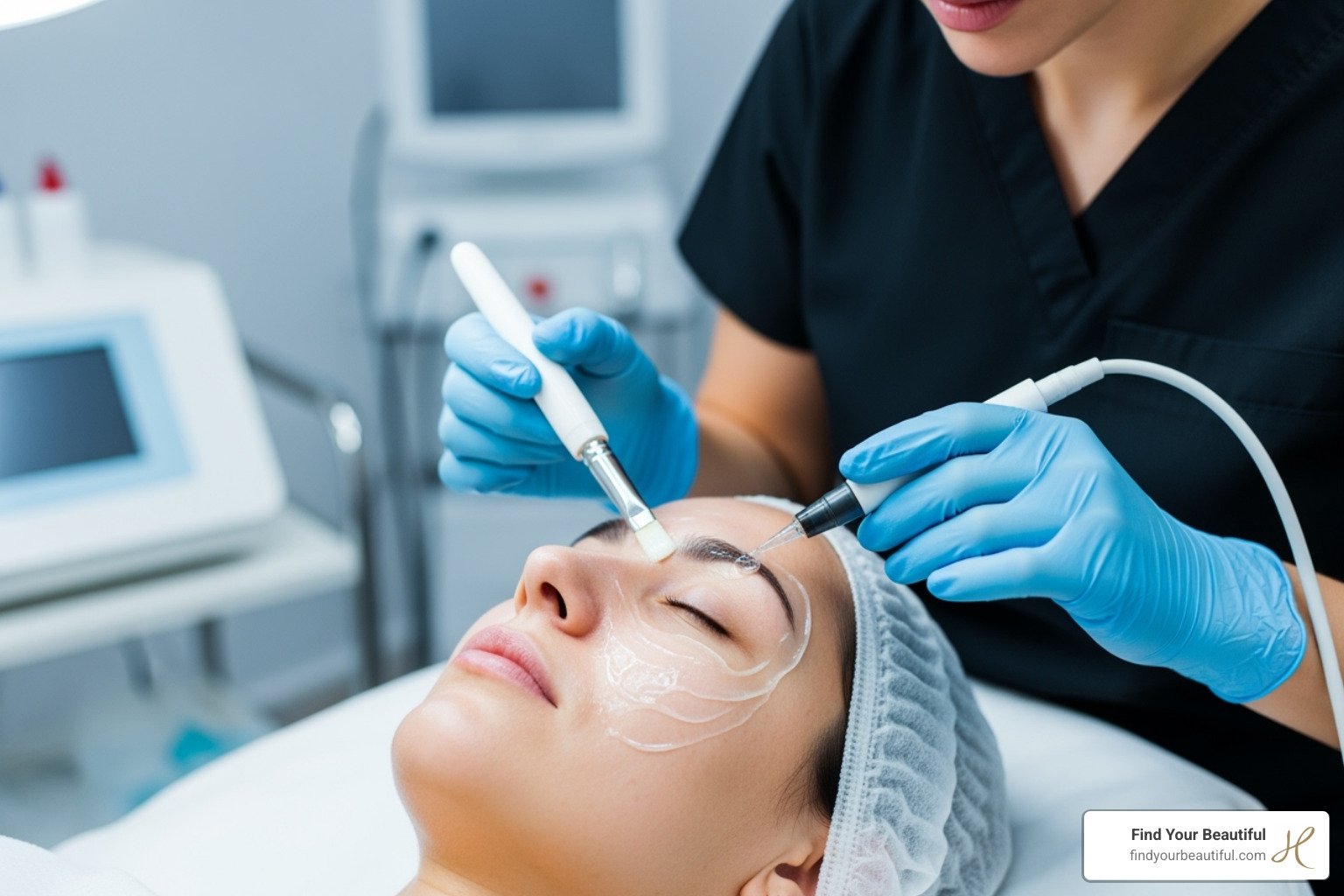
Platelet-rich plasma (PRP) involves the medical extraction and concentration of functional platelets from a patient’s own blood. Medical professionals utilize plasma for a variety of orthopedic and dermatological applications in clinical settings, injecting it into target tissues. Because the resulting plasma contains high levels of natural cellular growth factors, practicing specialists use the extracted fluid for chronic joint injuries, damaged ligaments, and specific topical skin irregularities.
Before Your Appointment
Scheduled patients should follow specific dietary guidelines prior to PRP extraction by hydrating sufficiently for several days beforehand. If an incoming patient regularly takes standard non-steroidal anti-inflammatory drugs for generalized pain management, the managing healthcare provider may recommend that they stop taking those medications, as they can interfere with the effects of PRP. Patients can request a comprehensive medication list to review what to avoid before their appointment.
When individuals confirm their appointment, they should disclose their daily supplement list to the attending clinic staff. Any lingering presence of certain substances decreases the effectiveness of platelet function. Patients may be asked to not consume alcohol for seventy-two hours before the appointment, because alcohol can decrease platelet counts.
Consuming heavy or greasy meals before a scheduled blood draw can complicate laboratory processing. Since fatty foods temporarily increase lipid levels within the bloodstream, the mechanical centrifuge may have difficulty separating the plasma. Eating a relatively light meal the morning of an appointment could work best. Drinking ample water consistently can increase blood volume and keep veins accessible for the attending medical phlebotomist.
After Your Appointment
Individuals may experience swelling at injection sites, but they should avoid applying ice or cold compresses to the affected area. Topical cryotherapy can reduce the body’s natural inflammatory response, and regional inflammation is what initiates cellular tissue remodeling. A medical professional can answer questions about how to manage any pain or potential swelling, including recommending any medications. They might recommend using acetaminophen or another similar drug.
A medical professional may also recommend restricting physical activity to prevent unnecessary strain. For the platelets to work, they need time within the targeted tissue. Engaging in strenuous or prolonged cardiovascular exercise increases blood flow, which can increase the risk of platelets moving. Unless the overseeing physician provides clearance during a follow-up examination, recovering patients may be asked to abstain from participating in high-impact physical activities for a minimum of two weeks.
Future Appointments
Experienced medical practitioners usually space sequential injection treatments multiple weeks apart from one another. Regrowing cells naturally takes time, so scheduling back-to-back sessions disrupts the natural healing timeline. While utilizing single isolated clinical treatment sessions suits some relatively minor applications, addressing severe chronic internal tissue damage typically requires a structured sequential series of separate physical medical interventions.
Schedule a PRP Evaluation
Patients interested in PRP treatment may find it helpful to discuss their medical history to determine if it’s right for them. Medical professionals are able to help create timelines for PRP injections, and they can offer information about how to optimize results after injections. Contact a wellness clinic to schedule an evaluation.







