


Engaging in physical activity offers substantial health benefits, yet it concurrently introduces the risk of musculoskeletal damage. Active individuals can encounter issues affecting the lower extremities due to repetitive motions or acute impacts. Podiatrists specialize in the biomechanics of the foot and ankle, offering targeted expertise for individuals recovering from athletic trauma.
What Are Sports Injuries?
The physical demands of athletic participation place significant stress on the bones, ligaments, tendons, and muscles of the lower body. This category of physical damage encompasses a wide array of conditions and results from either acute force or chronic overuse. Acute trauma typically occurs suddenly, which may result from a collision, a rapid change in direction, or an unexpected fall. Such incidents frequently lead to acute sprains, where a ligament stretches beyond its normal capacity, or localized bone fractures.
Overuse conditions develop gradually over an extended period. Repetitive strain without adequate recovery periods can result in micro-tears in muscle fibers or surrounding connective tissues. Common examples include tendonitis, which involves the inflammation of a tendon, and stress fractures, characterized by tiny cracks in the bone structure. High-impact activities exacerbate these vulnerabilities and make the foot and ankle particularly susceptible to sustained damage.
How Do Podiatrists Treat Them?
Podiatrists employ a systematic approach to address trauma affecting the lower extremities, and this initial phase of treatment generally involves a thorough diagnostic evaluation. Medical professionals utilize physical examinations alongside advanced imaging modalities, such as X-rays. These can accurately pinpoint the extent of the tissue or bone damage.
Once a diagnosis is established, the provider formulates a customized recovery plan. Non-surgical interventions remain the primary method for addressing most athletic impairments. Providers can prescribe bracing or other immobilization techniques to stabilize the affected area and facilitate natural healing. Anti-inflammatory medications and targeted steroid injections are frequently utilized to manage localized pain and reduce swelling around the compromised joint.
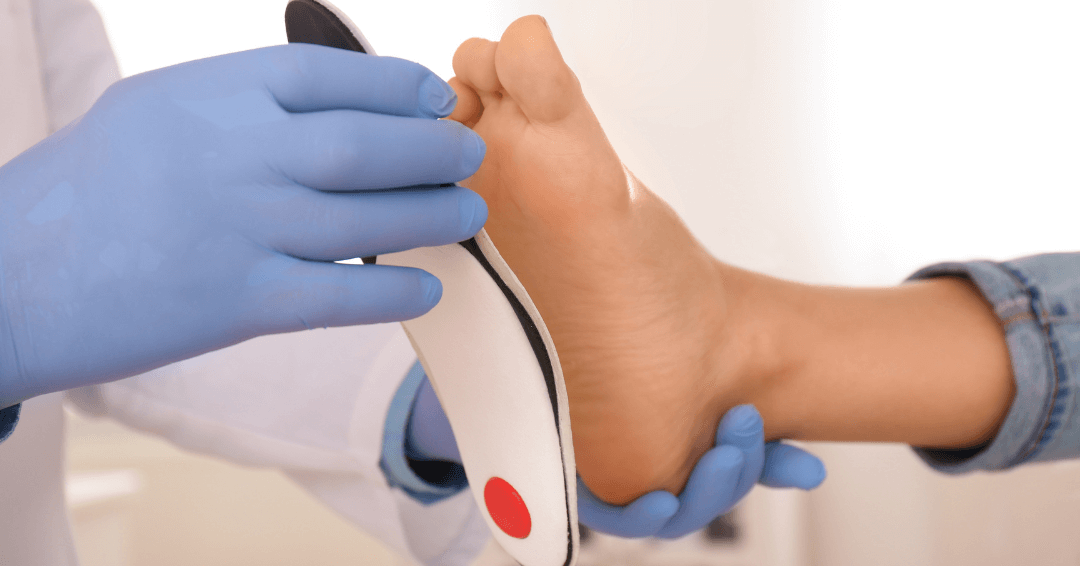
For structural imbalances, custom orthotic devices provide specialized arch support. Podiatrists frequently prescribe specific physical therapy regimens to rebuild muscle strength and restore joint flexibility over a structured timeline. In cases involving severe structural damage, surgical intervention becomes necessary to repair the compromised anatomy and restore proper functionality.
When Should You Seek Care?
Recognizing the appropriate time to consult a medical professional prevents minor strains from developing into chronic physical limitations. While rest and over-the-counter pain relief can alleviate mild soreness, persistent symptoms necessitate a comprehensive clinical assessment. Delaying medical evaluation may prolong the healing process and increase the likelihood of secondary complications.
Individuals should schedule an appointment if they notice a loss of range of motion or experience persistent instability in the affected joint. An inability to bear weight on the foot or ankle serves as a primary indicator of severe underlying damage. Visible signs of trauma, including immediate swelling, severe localized tenderness, or distinct skin discoloration, also require prompt medical evaluation. Early intervention allows providers to stabilize the injury rapidly.
Confer With a Podiatrist
Incorporating professional medical guidance into your athletic routine protects your long-term mobility. Beyond immediate symptom management, a podiatrist may provide valuable insights into biomechanical optimization and injury prevention strategies. Establishing a relationship with a dedicated foot and ankle specialist empowers you to maintain an active lifestyle and safeguard your joints and soft tissues.







