


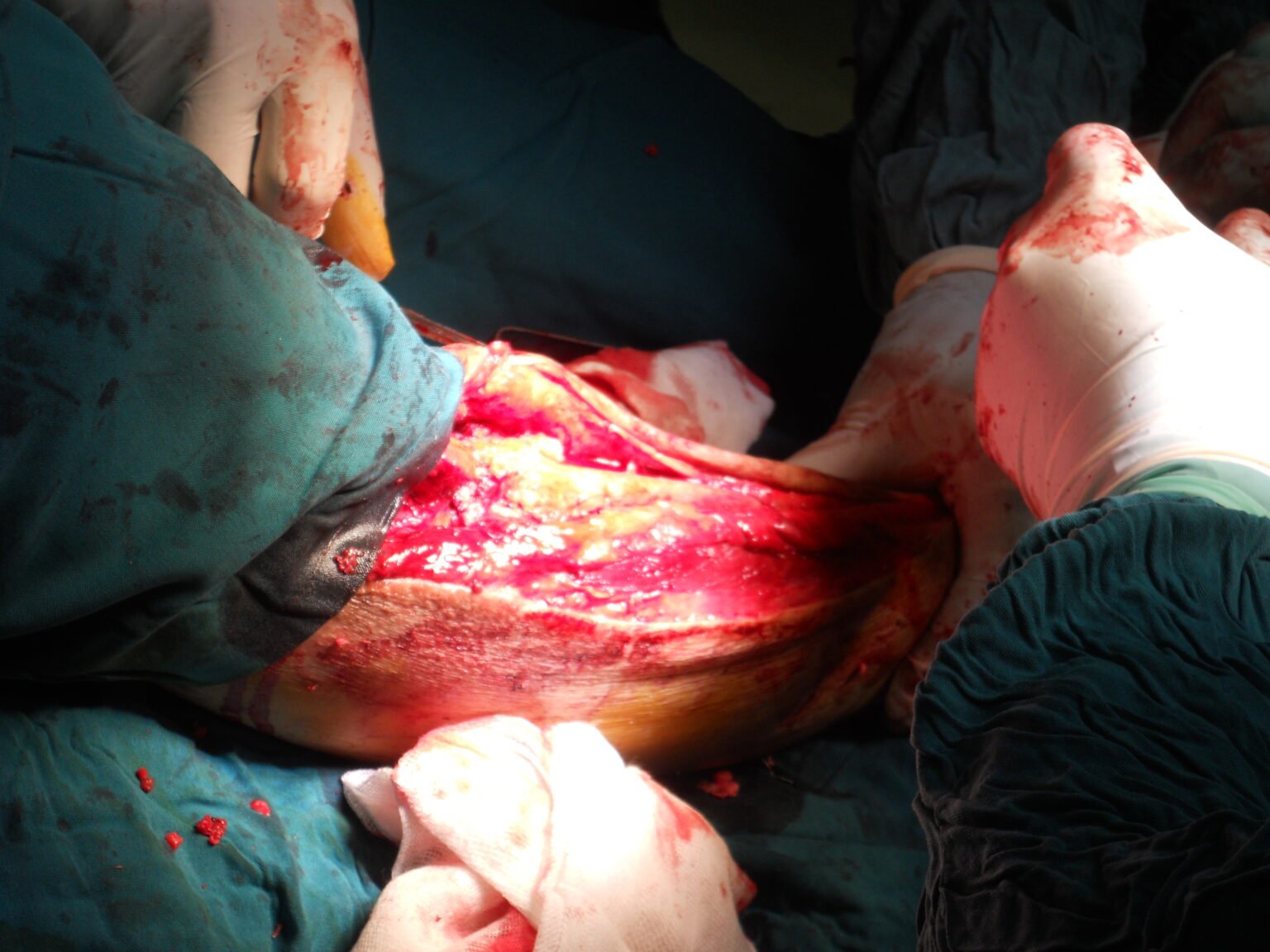
Orthopedic surgeons specialize in the musculoskeletal system, which is the network of bones, joints, muscles, and ligaments that supports movement and structure. These specialists perform a wide range of surgical procedures, and they target various areas throughout the body, including the knees and hips. They can address damage, deterioration, and injury. Here are three procedures performed by orthopedic surgeons:
Replacing the Hip Joint
Hip replacement, clinically known as hip arthroplasty, involves removing the damaged portions of the hip joint and fitting artificial components in their place. An orthopedic surgeon constructs the replacement parts from metal, ceramic, or high-grade plastic, depending on the patient’s needs and anatomy. The hip is a ball-and-socket joint, and the procedure may address one or both of these surfaces.
Candidates for this surgery typically present with joint damage linked to conditions such as osteoarthritis, rheumatoid arthritis, or fracture. Many patients are older adults, but younger individuals with significant joint deterioration may also undergo the procedure. The surgeon makes a precise incision near the hip, removes damaged bone and cartilage, and secures the artificial components into position. Recovery follows a structured plan, which often includes physical therapy designed to rebuild strength and restore range of motion.
Replacing the Knee Joint
Knee replacement, or knee arthroplasty, resurfaces a worn knee joint by removing damaged cartilage and bone from the thigh bone and shin bone. The surgeon then attaches metal and plastic components, which replicate the joint’s natural movement. This surgery usually lasts one to two hours, and patients begin a structured rehabilitation program shortly after to restore functional movement. Orthopedic surgeons may select from two primary approaches based on the extent of the damage:
- Total knee replacement: Addresses the full joint surface
- Partial knee replacement: Targets only the damaged section of the joint
Repairing Rotator Cuff Tears
The rotator cuff consists of four muscles and their associated tendons, which stabilize the shoulder joint and control arm movement. When a tear occurs, whether from acute injury or gradual wear, the tendon separates from the bone; this limits function. Rotator cuff repair surgery reattaches the torn tendon to restore structural integrity.
Athletes, manual laborers, and older adults with age-related tendon weakening may experience this condition. Surgeons frequently perform this repair using arthroscopy, which is a minimally invasive technique that employs a small camera and targeted incisions. In more complex cases, open surgery with a larger incision may be needed; this provides increased access to the damaged tissue.
Once the surgeon reattaches the tendon using sutures and anchors, the recovery process begins. It may start with a period of immobilization and progress through physical therapy. The goal is to rebuild shoulder strength and range of motion. Full recovery sometimes takes several months, and it requires careful adherence to rehabilitation protocols. This makes sure the tendon heals properly, which allows the shoulder to regain stable function.
Consult an Orthopedic Surgeon
Hip replacement, knee replacement, and rotator cuff tear repair each address distinct areas of the musculoskeletal system. Orthopedic surgeons apply precise techniques to restore function and structural stability, and they tailor each procedure and rehabilitation plan to the specific joint. These surgeons also perform additional procedures, including shoulder replacement and carpal tunnel release. When patients seek care early, outcomes may improve significantly. Contact a qualified surgeon to assess your circumstances and provide guidance specific to your situation.







