


Back pain affects many adults every year, and a specific type of discomfort is often linked to the sciatic nerve. When this continuous nerve experiences pressure, inflammation, or irritation, it leads to a specific and recognizable set of symptoms. Recognizing these early signs of sciatica helps individuals seek appropriate medical evaluation.
What is Sciatica?
Sciatica refers to a specific type of nerve pain rather than an independent medical disease. The sciatic nerve branches out from multiple nerve roots in the lower spine and merges into a single nerve pathway that travels down the lower extremities. When a separate medical issue compresses or pinches a section of this nerve pathway, it generates distinct pain signals. The structural issues that place pressure on these nerve roots vary among patients.
A herniated disc is a common primary culprit. When the soft inner core of a spinal disc pushes through its tough outer exterior, it can press directly against the adjacent nerve. Bone spurs, which are bony projections that form along the edges of the vertebrae, may also narrow the space where the nerves exit the spine. This narrowing is known as spinal stenosis. In other instances, systemic diseases like diabetes can contribute to localized nerve damage. The presence of a tumor might compress the surrounding tissues and nerves, and lead to similar painful outcomes.
What Are the Symptoms?
People experiencing this specific nerve compression generally report a distinct pattern of physical sensations. Because the nerve runs down the entire lower half of the body, the discomfort typically radiates from the lower back. It then moves down the back of one specific leg. It is highly unusual for the pain to affect both legs simultaneously. The specific sensations differ widely depending on the degree of nerve compression. Some individuals describe a dull, persistent ache, while others report sudden bouts of sharp, searing, or burning pain. Along with localized pain, patients can experience neurological signs such as numbness, tingling sensations, or distinct muscle weakness in the affected leg or foot.
How Is It Treated?
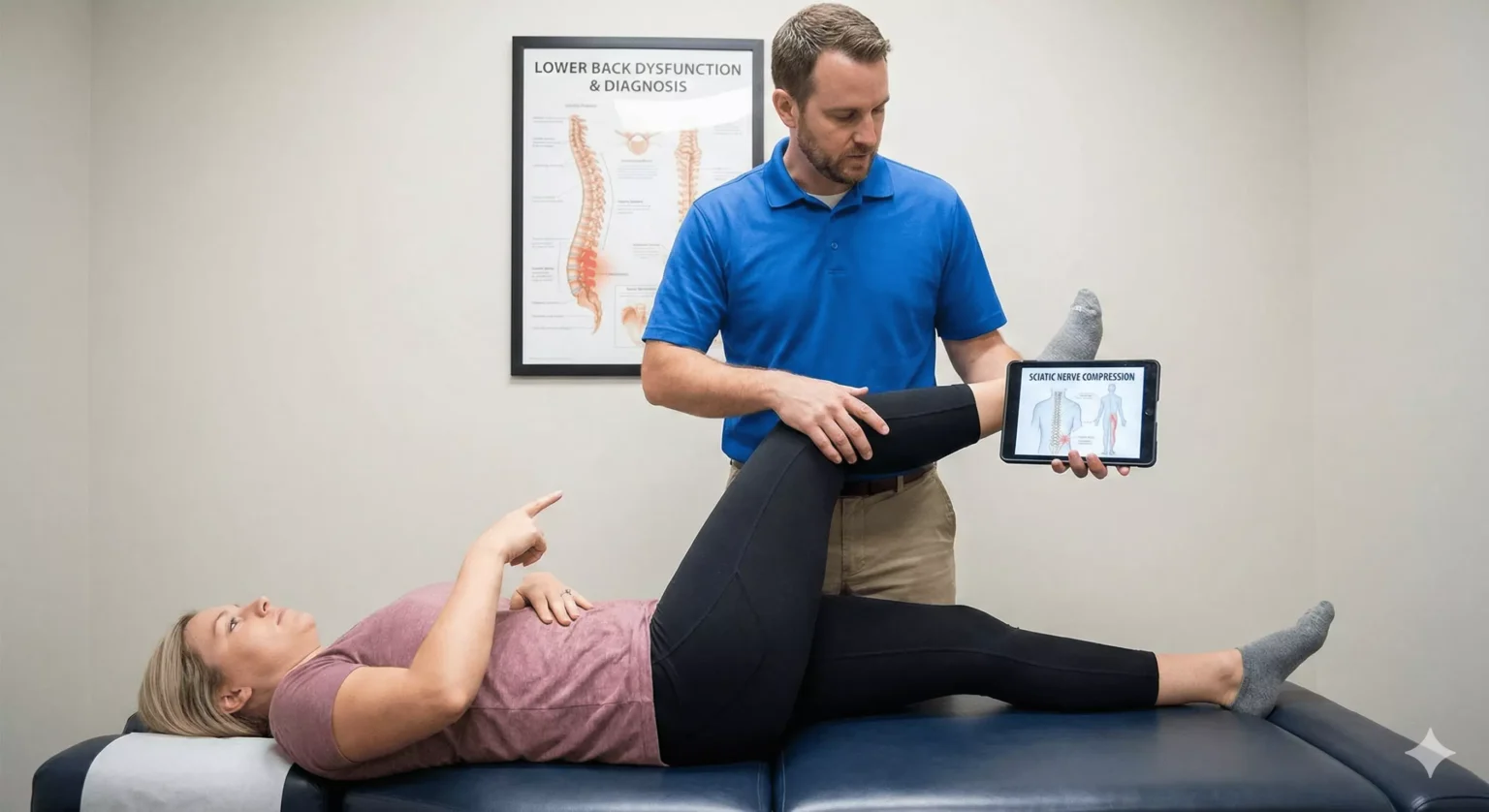
Medical professionals must conduct a thorough physical examination to accurately diagnose the exact location and identify the source of the nerve irritation. Diagnostic imaging might be utilized to pinpoint the exact structural issue causing the compression. Once a physician identifies the underlying cause, they will develop a targeted approach to pain management.
Initial medical interventions often begin with conservative, non-invasive approaches. Doctors frequently prescribe physical therapy, which may strengthen the core muscles that provide structural support to the back. Lifestyle modifications, such as healthy weight management, are recommended to reduce stress on the lower spine. Physicians might also prescribe medications.
Epidural steroid injections can deliver powerful anti-inflammatory medication directly into the space surrounding the affected nerve root. Other minimally invasive options include procedures designed to relieve pressure on the spinal nerves. For chronic cases, doctors may utilize spinal cord stimulation therapy. Modern systems deliver precise electrical pulses that intercept pain signals before they reach the brain, and provide patients with sustained long-term relief.
Seek Professional Pain Relief Care
Living with constant, radiating nerve pain presents daily challenges, but effective medical interventions are readily available. Following a comprehensive medical evaluation, doctors can design a customized treatment plan. With expert guidance and the right therapeutic approach, individuals may successfully reduce their symptoms and regain their physical mobility without enduring constant discomfort.







