


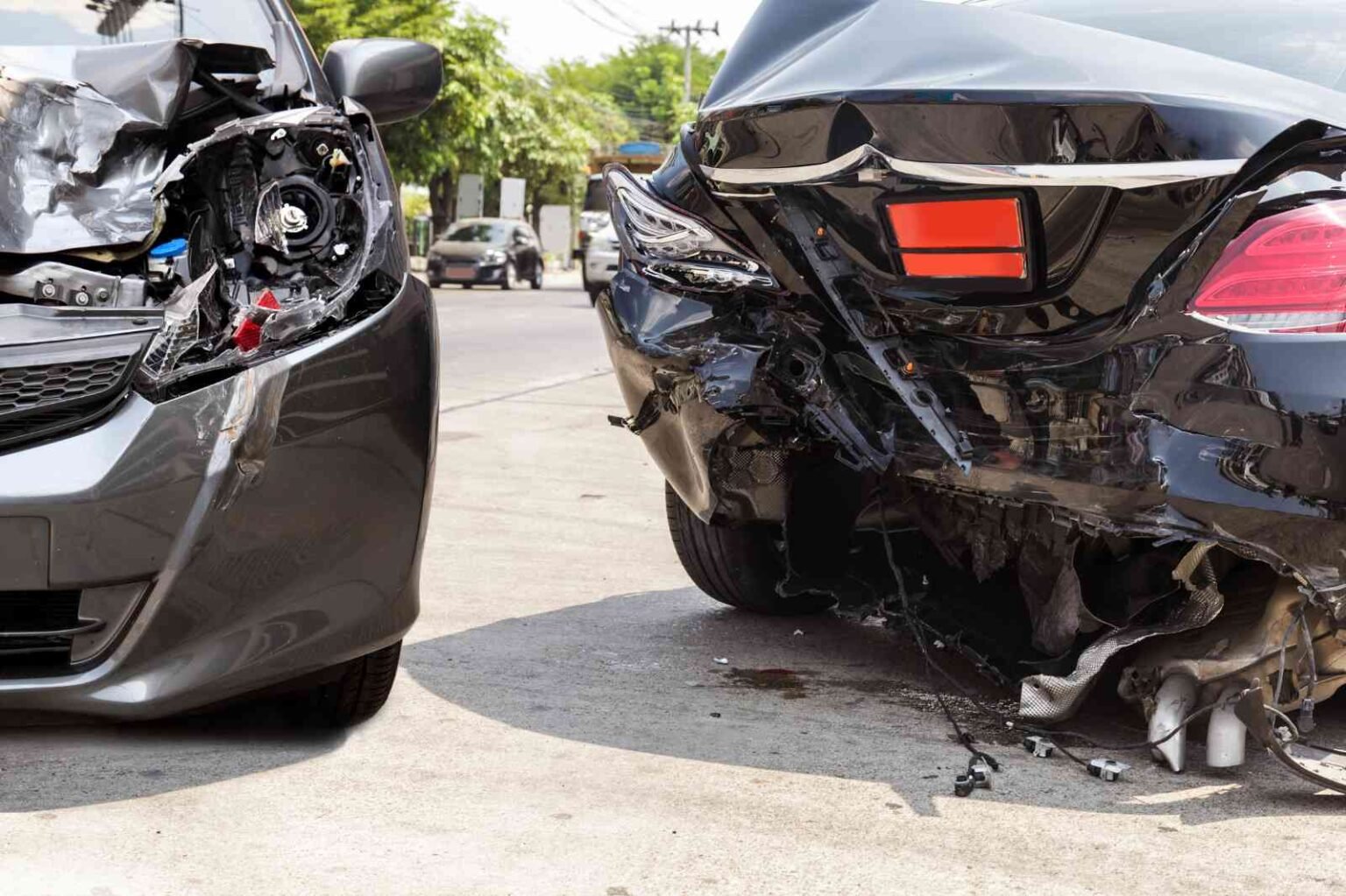
A car accident can subject the body to sudden force and impact, and symptoms may not always appear immediately. Knowing what to watch for helps you act before a small problem turns into a serious one. Early medical attention protects your health and supports a smoother recovery process. Here are some signs of a serious car accident injury:
Neurological and Brain Injuries
The brain absorbs sudden force during a collision, even when your head never strikes a surface. A concussion happens when rapid movement causes the brain to shift inside the skull. Watch for:
- Worsening headaches
- Blurred vision
- Nausea
- Trouble remembering details of the crash
- Confusion
- Slurred speech
Some symptoms develop slowly. You might feel fine at the scene, but then you notice ringing in your ears or sudden mood changes the next morning. Sensitivity to light, difficulty concentrating, and disrupted sleep also signal neurological strain. If someone loses consciousness, even briefly, treat that as a reason for prompt evaluation.
Spinal and Back Trauma
Your spine experiences substantial stress during a sudden vehicle stop, and the impact can affect the structures that support your body. Whiplash, a common car accident injury, strains the neck and upper back as the head snaps forward and back. Pain, stiffness, and limited range of motion usually follow within a day or two. Numbness or tingling that travels into your arms or legs suggests nerve involvement.
Herniated discs and fractures result in sharper discomfort. Shooting pain down one limb, weakness in your hands, or loss of bladder control requires immediate care. The absence of pain doesn’t always indicate a lack of damage, because swelling can mask an injury for several days. If you feel tightness that spreads or worsens, note when it started and what triggers it. Keep your movements gentle and let an expert assess the source.
Internal Bleeding or Organ Damage
Blunt force from a seatbelt, airbag, or steering wheel may injure organs without breaking the skin. Since internal bleeding often develops without obvious signs, symptoms sometimes remain hidden during the hours after a car accident. Deep bruising, especially across the abdomen or chest, deserves attention. When swelling, tenderness, or a hard belly appears, it may indicate bleeding beneath the surface; these signs should not be ignored.
- Dizziness
- Rapid heartbeat
- Pale skin
- Shortness of breath
- Lightheadedness when you stand
- Persistent abdominal pain
These symptoms worsen over time. Fainting and a drop in blood pressure are serious symptoms that require emergency medical attention. Since organ damage is subtle, you benefit from a medical exam after any high-impact crash, even when you feel stable. Document what you observe and share every detail with a medical provider, because accurate information shapes the diagnosis.
Treat Your Car Accident Injury
Injuries from a collision range from minor strains to conditions that develop slowly over several days. Watching for neurological, spinal, and internal warning signs helps you respond before symptoms escalate. Write down what you feel and how it changes, then bring those notes to a qualified professional. A medical evaluation gives you a clear understanding of your condition and the next steps. If you have been in a car accident, schedule an exam with a healthcare provider today.







