


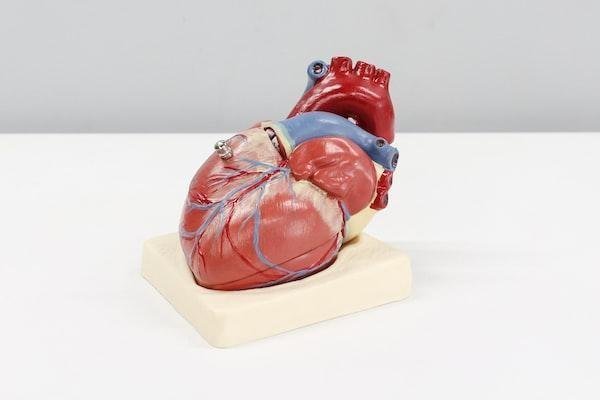
The cardiovascular system sustains the body by circulating blood and oxygen. When cardiovascular health declines, individuals face an elevated risk of severe complications like a heart attack or stroke. Recognizing the early indicators of cardiovascular decline allows patients to seek cardiology-based care and prevent minor issues from escalating into major emergencies.
What Conditions Affect the Heart?
Several distinct medical issues can compromise cardiovascular health. One prevalent issue is high blood pressure, a state where the force of blood pushing against blood vessel walls remains persistently high. This excess pressure forces the heart muscle to work much harder than normal. Another common issue involves elevated levels of bad cholesterol. When this substance accumulates inside the arteries, it forms rigid plaques. These plaques create a condition called atherosclerosis, which stiffens the artery walls and restricts normal blood circulation.
Coronary artery disease develops as a direct result of these plaque accumulations narrowing the pathways that feed the heart muscle. In a similar manner, peripheral artery disease occurs when plaque narrows the vessels carrying oxygenated blood away from the heart to the rest of the body. Other structural and electrical problems can also disrupt normal function; these include arrhythmias, which are abnormal heartbeats, and atrial fibrillation. Patients may also develop heart valve disease, cardiomyopathy, or congestive heart failure.
What Are the Warning Signs?
Many cardiovascular issues develop silently. High blood pressure and elevated cholesterol rarely present any noticeable physical signs until a severe event occurs. Because of this silent progression, individuals must monitor their health closely and attend regular medical evaluations. When symptoms do manifest, they often include chest pain or noticeable heart palpitations.
If a blood clot completely blocks an artery, a heart attack takes place. A heart attack produces a specific set of physical warnings. Patients frequently experience distinct chest pressure, shortness of breath, and extreme fatigue. Discomfort may spread to the arms, neck, jaw, or abdomen, and other signs include cold sweats, dizziness, lightheadedness, nausea, and indigestion.
How Are Heart Problems Treated?
Medical professionals specializing in cardiovascular disease provide targeted therapies based on comprehensive diagnostic testing. A cardiology specialist evaluates a patient’s medical history and assesses their physical condition before ordering specific assessments. These tests can vary, including bloodwork to check lipid levels, electrocardiograms to monitor electrical activity, or echocardiograms. Doctors also utilize vascular ultrasounds, treadmill stress tests, and event monitors to pinpoint the exact nature of the dysfunction.
Once a physician confirms a diagnosis, the treatment protocol often begins with lifestyle modifications. Doctors regularly advise patients to adopt a low-sodium diet. Increasing physical activity helps lower blood pressure and improve overall circulation. Stopping tobacco use, reducing alcohol consumption, and managing daily stress levels can also play a major role in restoring cardiovascular function.
If lifestyle modifications fail to produce the desired results, cardiologists prescribe targeted medications. Statins help lower bad cholesterol levels and prevent further arterial plaque buildup. Other prescriptions work to relax stiff blood vessels, decrease overall blood volume, or reduce the physical workload placed on the heart. Physicians might recommend pacemakers and schedule regular checks to monitor the device’s battery and function.
Seek Professional Cardiology Care
Maintaining cardiovascular health requires proactive medical supervision. Since many conditions show no visible warning signs, regular screenings provide the only reliable method for tracking internal health metrics. Routine blood tests and physical examinations give medical providers the data they need to adjust treatment plans and stop the progression of disease. Individuals experiencing any unexplained chest pain, severe fatigue, or irregular heartbeats should request a medical evaluation immediately. Regular visits to a primary care practice or cardiology specialist offer a proven pathway to better health outcomes.







