


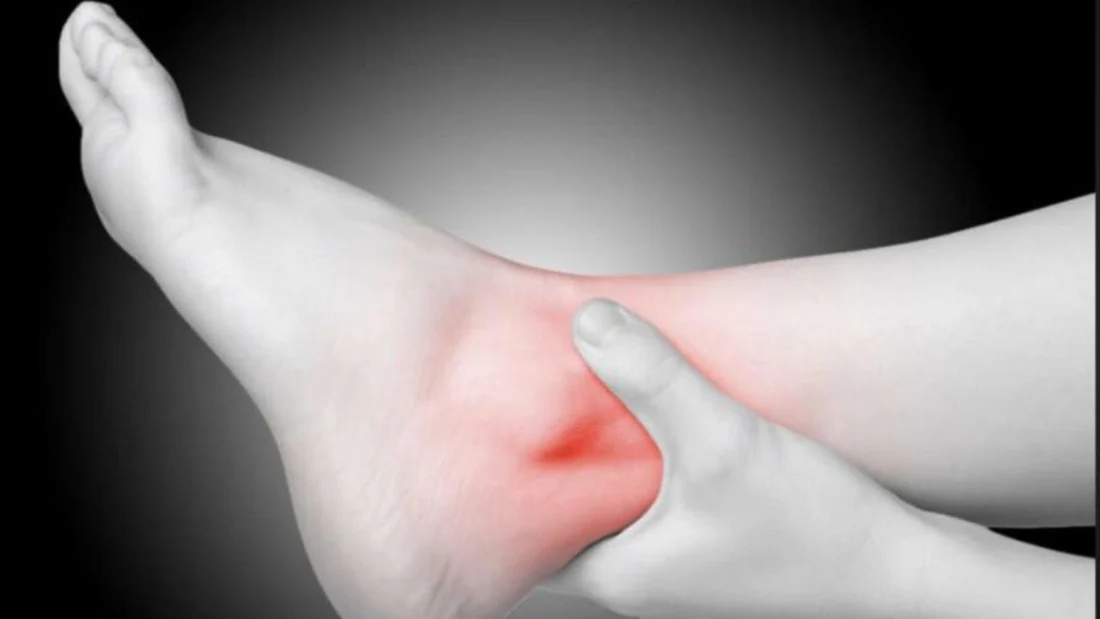
Sports medicine services focus on injury prevention, and they address the treatment of injuries related to sports and exercise. Professionals in this field help athletes regain mobility and safely return to their respective activities after sustaining musculoskeletal damage. Ankle sprains are a common injury, typically occurring when the ligaments that support the ankle stretch beyond their normal limits or tear completely. Here’s information on rehabilitation techniques for ankle sprains:
Immobilizing Devices
Proper rehabilitation is a fundamental component of foot and ankle recovery. Following an acute ankle sprain, protecting the injured ligaments from further damage is a primary focus of early rehabilitation. Many people can manage mild sprains at home, but certain situations require professional medical attention. When ankle pain persists after resting, icing, and elevating it, other interventions may be necessary.
Immobilizing devices restrict ankle joint movement to provide necessary structural support during the initial phases of recovery. Sports medicine specialists utilize different types of equipment, but they depend on the severity of the sprain. For mild sprains, functional bracing or athletic taping can provide sufficient stability while still allowing for a functional degree of weight-bearing. For moderate to severe sprains, rigid immobilization is often required.
Providers may use walking boots, short-leg casts, or splints to completely offload the stress on damaged foot and ankle ligaments. These devices isolate the ankle joint to keep the anatomical structures in a neutral position. As localized swelling subsides and tissue stability improves, specialists systematically transition athletes from rigid immobilizers to less restrictive supports. Some common causes of ankle sprains include:
- Shifting Movement Rapidly
- Landing Awkwardly
- Stepping or Running on Uneven Surfaces
Physical Therapy
Once the initial acute healing phase passes, structured movement becomes a central focus of recovery. Physical therapy aims to safely reintroduce mechanical stress to the recovering foot and ankle tissues. Early therapeutic interventions focus on restoring the baseline range of motion through controlled, passive stretches and light active movements. As the ligaments regain their tensile strength, the rehabilitation plan adapts to include progressive resistance exercises. These exercises target the surrounding musculature, including the calves, peroneals, and tibialis anterior, to provide dynamic support to the ankle complex.
Restoring Functionality
Physical therapy restores structural stability to the ankle joint, and these sessions improve proprioception to prevent future injuries. Proprioception is the body’s ability to sense its position, movement, and equilibrium within a given space. This automatic response relies on specialized sensory receptors located in the body. These receptors within the muscles, tendons, and joints communicate with the nervous system to provide feedback about body mechanics, enabling coordinated movement.
Rebuilding Proprioception
Proprioception allows someone to walk without looking at their feet or adjust their balance when navigating uneven terrain. This intrinsic sense is key for injury prevention and has a role in rehabilitation protocols, particularly for restoring function after ankle injuries. Proprioceptive training often involves balance boards or single-leg stabilization drills to retrain the neuromuscular system, which is invaluable for athletes preparing to return to high-impact environments.
Anti-inflammatory Medications As Needed
Managing initial swelling and discomfort is a standard component of early ankle sprain rehabilitation. Nonsteroidal anti-inflammatory drugs (NSAIDs) can reduce acute inflammation and manage localized pain, allowing an athlete to participate more easily in physical therapy. Pharmacological interventions are intended strictly for the acute phase of recovery, as prolonged reliance on anti-inflammatory drugs is not a sustainable strategy for structural tissue repair.
Short-term medication use helps manage acute symptoms, but chronic conditions require alternative interventions. Athletes experiencing persistent instability or chronic pain may need advanced evaluations for potential surgical corrections or specialized tissue-regeneration protocols. Regenerative therapy options, like PRP therapy, may also be recommended for certain chronic joint conditions.
Contact a Sports Medicine Specialist
Attempting to return to athletic competition without adequate rehabilitation can result in chronic joint instability, persistent weakness, or recurrent injuries. Properly identifying the grade and anatomical location of an ankle sprain dictates the appropriate path for recovery. If your ankle injury isn’t improving, schedule a comprehensive evaluation with a podiatrist or another sports medicine provider. A sports medicine specialist can conduct a physical examination and develop a customized rehabilitation timeline tailored to your needs.







