


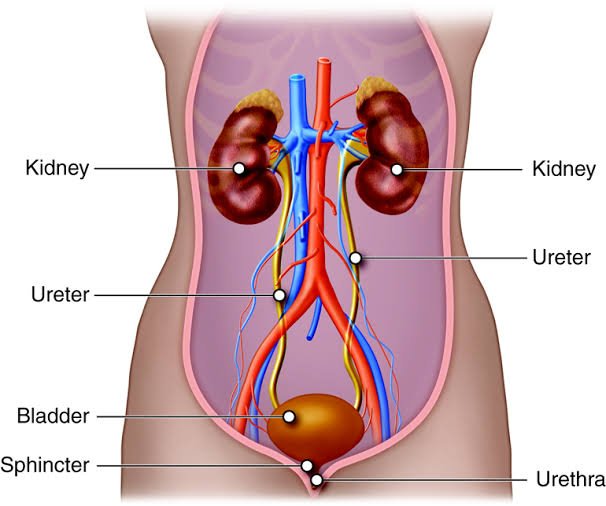
The prostate is a small gland that is located below the bladder and surrounds part of the urethra. As men age, this gland often grows larger; doctors refer to this change as benign prostatic hyperplasia. When the prostate enlarges, it presses on the urethra, which alters the way the bladder works. Understanding which signs to watch for can help you decide when to schedule a consultation. Here are several common signs that indicate you should visit an enlarged prostate specialist:
Noticing Urinary Frequency Changes
An early sign of an enlarged prostate is a change in urinary frequency. You may notice more frequent trips to the bathroom during the day, and nighttime urination often increases as well. Because these changes develop gradually, they are easy to overlook at first. Track your patterns over several weeks and bring the record to your appointment; a log of bathroom visits can provide a specialist with helpful clinical information.
Recognizing Urine Flow Difficulty
An enlarged prostate frequently affects the strength and steadiness of your urine stream. You may notice several differences in how urination begins and progresses, including the following:
- Weak stream: The force of your urine seems slower or less powerful than before.
- Delayed start: You wait several seconds before urination begins, even when the urge feels strong.
- Stopping and starting: The stream pauses and resumes rather than flowing steadily.
- Dribbling: Small amounts of urine continue after you think you have finished.
Any one of these signs may indicate that the prostate is pressing on the urethra. When two or more appear together, a professional assessment becomes especially worthwhile. An enlarged prostate specialist reviews these details and orders appropriate tests, such as a urinalysis to rule out infection; this helps identify what’s causing the changes.
Experiencing Incomplete Bladder Emptying
The bladder relies on a clear path to release urine fully, and when the prostate narrows that path, the bladder sometimes struggles to empty completely. You might sense that some urine remains after a bathroom visit. This feeling of fullness often returns throughout the day. Incomplete emptying occasionally leads to more frequent urges, since the bladder refills quickly. Some men also strain or push to keep the stream going, though this response rarely solves the underlying issue.
Because these signs relate closely to prostate size and bladder function, a specialist is well positioned to evaluate them. During your visit, the doctor measures how well your bladder empties, and this measurement helps identify the underlying cause. The evaluation guides a treatment plan tailored to your specific situation.
Find an Enlarged Prostate Specialist
Urinary frequency, a weak or interrupted stream, delayed starts, and a sense of incomplete emptying all indicate a prostate that may warrant evaluation. When these symptoms persist or become more noticeable, scheduling a consultation is a sensible step. An enlarged prostate specialist reviews your medical history, performs a physical exam, and may order tests that assess prostate size and bladder function. To prepare, write down your symptoms and note how long they have lasted. Because symptoms can progress over time, early evaluation helps provide clearer answers and more treatment options. Reach out to a qualified specialist to schedule an evaluation today.







