


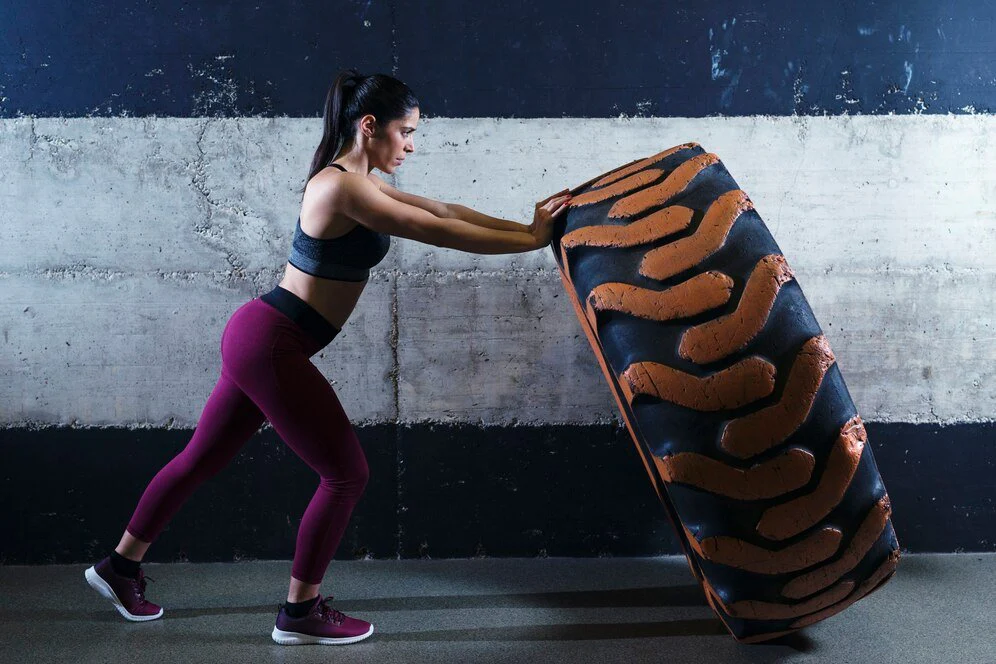
Strength training exercises for women beginners are one of the best ways to build a healthy, strong, and confident body. Many women think strength training is only for bodybuilders or that lifting weights will make them look bulky. This is not true. In reality, strength training helps women feel stronger, leaner, and more energetic without adding unwanted size.
If you are new to fitness or have never lifted weights before, this guide is made especially for you. It explains what strength training is, why it is important, and which exercises are best for beginners. Everything is written in a simple and friendly way so you can start with confidence.
What Is Strength Training?
Strength training is a type of exercise that helps your muscles become stronger. It uses resistance such as body weight, dumbbells, resistance bands, or machines. When you challenge your muscles, they adapt and grow stronger over time.
For beginners, strength training does not mean lifting heavy weights. It starts with light resistance and simple movements that train your whole body safely.
Why Strength Training Is Important for Women
Strength training exercises for women beginners offer many benefits beyond just physical appearance.
1. Builds Muscle and Strength
As women age, muscle mass naturally decreases. Strength training helps protect and rebuild muscle, making daily activities easier.
2. Supports Weight Loss
Muscle burns more calories than fat, even at rest. Strength training increases metabolism and helps with healthy weight management.
3. Improves Bone Health
Lifting weights strengthens bones and reduces the risk of osteoporosis, which is common in women.
4. Boosts Confidence
Feeling strong improves self-confidence and mental health. Many women feel empowered when they see progress.
5. Improves Posture and Balance
Strong muscles support better posture and reduce the risk of injury and falls.
Common Myths About Strength Training for Women
Before starting, let’s clear up some common fears.
Myth 1: Lifting weights makes women bulky
Women do not have enough testosterone to build large muscles easily. Strength training creates a toned and firm look.
Myth 2: Strength training is unsafe for beginners
When done with proper form and light weights, it is very safe and beneficial.
Myth 3: Cardio is better than strength training
Both are important. Strength training improves muscle, while cardio improves heart health.
Getting Started: Tips for Beginners
Before trying strength training exercises for women beginners, keep these tips in mind:
- Start with bodyweight or light weights
- Focus on proper form, not speed
- Warm up before workouts
- Rest between workout days
- Stay consistent, not perfect
Begin with 2–3 workouts per week and slowly increase as your body adapts.
Best Strength Training Exercises for Women Beginners
These exercises are beginner-friendly and work multiple muscle groups.
1. Squats
Squats strengthen the legs, hips, and glutes.
How to do it:
Stand with feet shoulder-width apart. Lower your body like sitting on a chair. Keep your chest up and knees behind toes. Push back up.
2. Wall Push-Ups
This is a gentle version of push-ups for beginners.
How to do it:
Stand facing a wall. Place hands on the wall and bend elbows to bring chest closer, then push back.
3. Glute Bridges
This exercise targets the glutes and lower back.
How to do it:
Lie on your back, knees bent, feet flat. Lift hips toward the ceiling, squeeze glutes, then lower.
4. Dumbbell Rows
Great for strengthening the back and arms.
How to do it:
Hold light dumbbells. Bend slightly forward, pull weights toward your waist, then lower slowly.
5. Shoulder Press
Strengthens shoulders and arms.
How to do it:
Hold dumbbells at shoulder height. Push them upward until arms are straight, then lower.
6. Standing Lunges
Improves leg strength and balance.
How to do it:
Step one foot forward, bend both knees, then push back to standing.
7. Plank
Builds core strength and stability.
How to do it:
Hold your body in a straight line, resting on elbows and toes.
Sample Beginner Strength Training Routine
Here is a simple routine you can follow:
- Squats – 10 reps
- Wall Push-Ups – 8 reps
- Glute Bridges – 10 reps
- Dumbbell Rows – 8 reps
- Shoulder Press – 8 reps
- Plank – 15 seconds
Rest for 30–60 seconds between exercises. Repeat the circuit 2 times.
How Often Should Beginners Train?
For women beginners, strength training 2–3 times per week is ideal. This allows muscles to recover and grow stronger. Rest days are just as important as workout days.
Nutrition and Recovery Tips
Strength training works best when combined with healthy habits.
- Eat enough protein (eggs, beans, chicken, yogurt)
- Drink plenty of water
- Get enough sleep
- Stretch after workouts
Recovery helps prevent soreness and injury.
Staying Motivated as a Beginner
It is normal to feel slow progress at first. Remember:
- Progress takes time
- Every workout counts
- Focus on strength, not perfection
- Celebrate small wins
Tracking workouts or taking progress photos can help you stay motivated.
Final Thoughts
Strength training exercises for women beginners are a powerful way to improve health, strength, and confidence. You do not need a gym or heavy weights to get started. Simple exercises done consistently can change how you feel inside and out.
Start slow, listen to your body, and enjoy the journey. Strength training is not about being perfect—it is about becoming stronger every day.
Frequently Asked Questions (FAQs)
1. Can beginners do strength training at home?
Yes, many strength training exercises for women beginners can be done at home using body weight or light dumbbells.
2. Will strength training make me bulky?
No. Strength training helps tone and shape the body without making women bulky.
3. How long does it take to see results?
Most beginners notice strength and energy improvements within 3–4 weeks.
4. Is strength training safe for older women?
Yes, with proper form and light resistance, it is safe and very beneficial.
5. Do I need equipment to start strength training?
No. Bodyweight exercises are enough for beginners. Equipment can be added later.







