


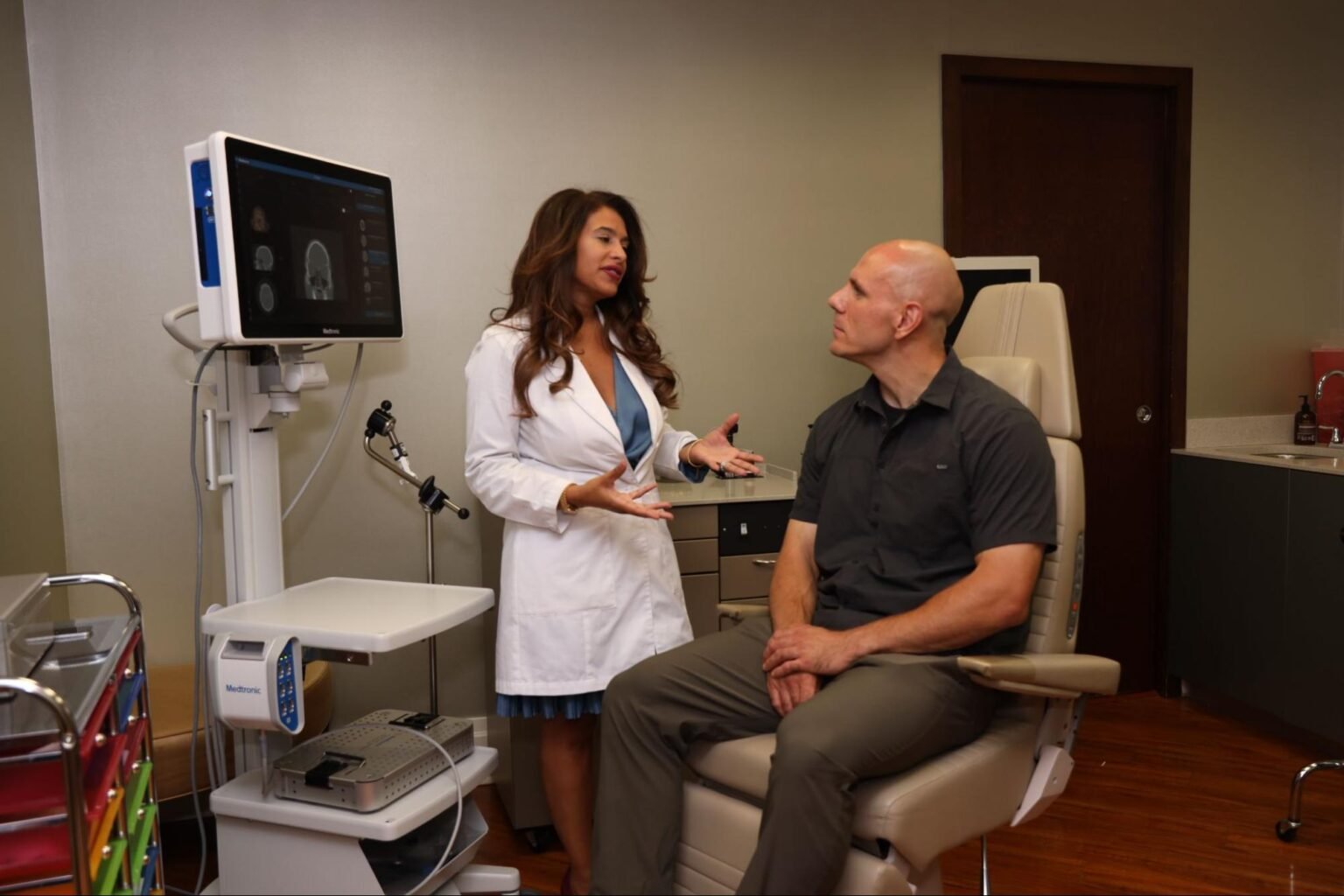
A deviated septum physically blocks normal, everyday airflow directly through your nasal passages. Because this physical structural displacement causes uncomfortable breathing issues, doctors may recommend targeted daily medical treatments. Medical professionals thoroughly evaluate your internal nasal cavity, and they suggest specific interventions for daily symptom relief. Here are some surgical and non-surgical solutions for a deviated septum:
Surgical Solutions
Nasal septoplasty physically straightens the displaced cartilage in a deviated septum, and this precise surgical procedure successfully opens the restricted nasal airway. Surgeons typically perform this standard corrective operation under general anesthesia. After the specialist finishes the delicate surgery, you recover at home for several continuous days. Proper post-operative care strictly requires minimal physical activity during the initial nasal healing phase at home.
If you only have minor internal nasal blockages, skilled surgeons regularly perform smaller turbinate reduction procedures. These minor operations take less operating time, but patients still need proper bed rest afterward. Smaller surgical procedures typically involve the following specific structural internal adjustments for better breathing:
- Removing extra obstructing tissue
- Reshaping internal nasal structures
When the post-surgical tissue swelling finally subsides entirely, you breathe with noticeably less physical airway resistance.
Non-surgical Solutions
Prescription nasal sprays are used to reduce tissue swelling deep inside your chronically irritated nasal passages. While these specialized prescription sprays relieve daily congestion, they never cure the underlying physical septum displacement at all. You use liquid corticosteroid sprays daily, and your internal nasal passages gradually open up for clearer, regular breathing. Medical providers may prescribe these highly targeted medicated sprays strictly for temporary nasal symptom management.
Decongestants are used to shrink your enlarged internal blood vessels, so your daily airflow temporarily improves without invasive clinical surgery. Patients consume these standard daily medications in either a convenient solid pill or liquid form. Since oral decongestants sometimes raise baseline blood pressure, doctors consistently monitor your ongoing medication usage very carefully.
While daily medications offer physical relief, adhesive nasal dilator strips provide another practical non-invasive management option. You place these tight adhesive bands directly across your nose, and they actively pull your restricted airways open. Some patients also use gentle daily saline washes to successfully clear out thick, obstructive mucus buildup. Simple liquid saline rinses naturally moisten the dry internal nasal lining throughout the day.
Various Severity
Experienced doctors directly tailor all prescribed medical treatments to your specific, documented daily breathing symptom severity. Mild cases typically require simple daytime symptom management, but severe airway blockages regularly demand formal corrective clinical surgery. When persistent nosebleeds occur alongside chronic congestion, specialized doctors may suggest a traditional nasal septoplasty. Your chosen medical treatment path directly reflects your specific daily anatomical breathing difficulties and overall health status.
Schedule Deviated Septum Treatment
Before you choose a definitive treatment path, a specialist thoroughly evaluates your unique internal nasal structure. Call a local medical office today for a completely thorough and professional clinical consultation. They can accurately review your entire medical history, and our dedicated scheduling team books your initial structural evaluation. Address your daily breathing symptoms by contacting an ear, nose, and throat clinic now.







