


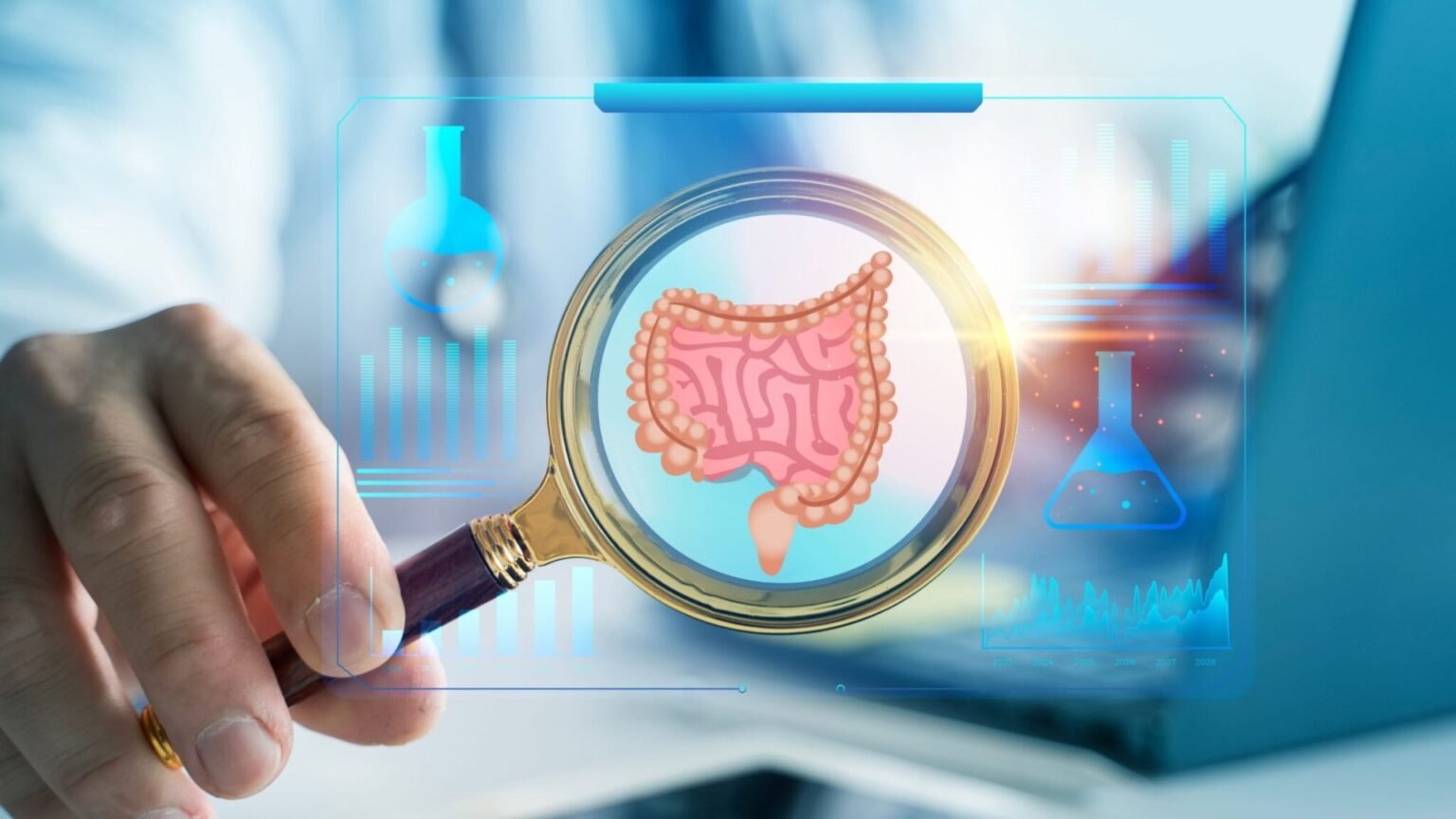
A colonoscopy allows physicians to examine the lining of the colon for polyps and other abnormalities. It can identify and remove precancerous polyps before they develop into colorectal cancer. Follow-up colonoscopies help monitor for new polyps and other changes over time based on a patient’s screening recommendations. Here are a few of the benefits of follow-up colonoscopy appointments:
Early Detection Saves Lives
Colorectal cancer often develops over several years, which makes routine screening and follow-up evaluations part of long-term preventive care. During a follow-up colonoscopy, physicians can identify new polyps or other changes that are able to have developed since a previous examination. Removing precancerous polyps before they progress helps reduce the risk of colorectal cancer.
Follow-up colonoscopies also allow gastroenterologists to monitor changes over time and adjust future screening intervals based on individual findings. The results of each examination help guide ongoing care and support timely intervention when abnormalities are detected. Regular follow-up appointments are based on a patient’s medical history, risk factors, and previous colonoscopy results.
Polyp Monitoring and Removal
Follow-up colonoscopy intervals depend on the findings from the initial procedure. Gastroenterologists use these results to monitor changes over time and determine when the next screening should occur. Recommendations vary based on the number, size, and type of polyps, as well as each patient’s overall risk factors. Follow-Up recommendations often include:
- Low-risk findings: One or two small polyps may require a follow-up in seven to 10 years.
- High-risk findings: Three or more polyps, large polyps, or advanced adenomas often require follow-up in three years.
- No abnormal findings: Average-risk patients with no polyps may return for screening in 10 years.
Management of GI Conditions
Follow-up colonoscopies do more than screen for colorectal cancer. They also help monitor chronic gastrointestinal conditions such as Crohn’s disease, ulcerative colitis, and Barrett’s esophagus. Because these conditions can increase the risk of colorectal cancer, physicians are able to recommend more frequent surveillance based on individual risk factors.
Regular monitoring allows gastroenterologists to evaluate disease progression and identify changes that often require treatment. Surveillance colonoscopies can detect precancerous cellular changes before symptoms develop, supporting earlier intervention. Screening intervals are determined by each patient’s condition, medical history, and previous examination findings.
Personalized Surveillance Intervals
Follow-up colonoscopy schedules are personalized based on each patient’s risk factors and screening history. Gastroenterologists look at factors such as age, previous polyp findings, family history of colorectal cancer, and hereditary conditions when recommending surveillance intervals. This individualized approach helps balance appropriate screening with each patient’s level of risk. Findings from each colonoscopy also help guide future screening recommendations as health needs change over time.
Schedule Your Follow-Up Colonoscopy Today
Follow-up colonoscopies are part of long-term colorectal health management. They help physicians monitor for new polyps, changes in existing conditions, and other abnormalities over time. Screening intervals are based on individual risk factors and previous colonoscopy findings. Keeping recommended follow-up appointments supports timely evaluation and ongoing preventive care. Contact a gastroenterologist today to schedule your next colonoscopy or review your recommended screening timeline.







